New
GS Foundation (P+M) - Delhi : 05th Jan., 2026 Winter Sale offer UPTO 75% + 10% Off, Valid Till : 5th Dec., 2025 GS Foundation (P+M) - Prayagraj : 15th Dec., 11:00 AM Winter Sale offer UPTO 75% + 10% Off, Valid Till : 5th Dec., 2025 GS Foundation (P+M) - Delhi : 05th Jan., 2026 GS Foundation (P+M) - Prayagraj : 15th Dec., 11:00 AM

Current Affairs for 03 November 2025

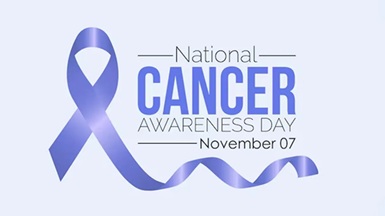
Cancer Awareness Day- November 7

    Why in News?

    • Cancer Awareness Day is celebrated every year on November 7 in India.
    • ​​ Cancer Awareness Day was first celebrated in 2014, and was announced by the then Union Health Minister, Dr. Harsh Vardhan.
    • The main reason for celebrating Cancer Awareness Day on November 7 is:
      • This day is the birthday of Nobel Prize-winning scientist Madame Curie.
      • She was born on November 7, 1867, in Warsaw, Poland.
      • Madame Curie made significant contributions to the fight against cancer.
    • She and her husband, Pierre Curie, discovered radium and polonium.
    • Madame Curie's work played a key role in the development of radiation-based cancer treatment, called radiotherapy.

    Objectives of Cancer Awareness Day

    • To teach people how to recognize the early symptoms of cancer
    • To promote screening through free screening camps
    • To create an environment of empathy and support for cancer patients
    • To understand cancer as a treatable disease, not a stigma

    What is cancer ?

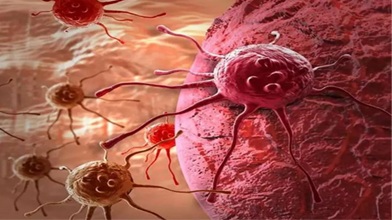
    • Cancer is a group of diseases characterized by the abnormal and uncontrolled growth of body cells.
    • Under normal circumstances, body cells grow and divide in a controlled manner; however, when a mutation occurs in the genes of these cells, this control is lost.
    • As a result of these mutations, cells begin to grow and divide uncontrollably and do not follow the normal rules of healthy cells.
    • These abnormal cells often aggregate to form a tumor.
    • The most dangerous characteristic of cancer is that these cells have the ability to spread to other parts of the body, such as lymph nodes or distant organs; This process is called metastasis.
    • When cancer cells spread to different parts of the body, they interfere with normal bodily functions, making the disease life-threatening.

    Major Types of Cancer

    Type

    Affected Organ/System

    Carcinoma

    Skin, lungs, breast, colon, prostate, etc.

    Sarcoma

    Bones, muscles, or connective tissues

    Leukemia

    Blood-forming tissues

    Lymphoma

    Immune system (Lymphatic system)

    Melanoma

    Pigment-producing cells of the skin

    Cancer types can develop in various parts of the body, but some cancers are more common in men or women:

    • In women:
      • The most common types of cancer in women are:
        • Breast cancer – The most common cancer in women, originating in the cells of the breast tissue.
        • Cervical Cancer – It occurs in the cells of the lower part of the uterus (cervix) and is often associated with human papillomavirus (HPV) infection.
    • In Men:
      • The major types of cancer in men are:
        • Lung Cancer – Mostly linked to smoking or pollution.
        • Oral Cancer – It is more likely to occur due to consumption of tobacco, gutkha, pan masala, or alcohol.
        •  Prostate Cancer – It develops in the prostate gland, which is associated with the male reproductive system, and is often seen in older age groups.

    Major Causes of Cancer

    Category Causes

    Category

    Causes

    Lifestyle-related

    Smoking, tobacco, alcohol, unhealthy diet, obesity, physical inactivity

    Environmental

    Pollution, radiation, chemicals, toxic substances

    Biological

    Viruses (HPV, Hepatitis B/C), bacteria, genetic mutations

    Genetic

    Family history of cancer

     Symptoms

    • Sudden weight loss
    • Prolonged cough or hoarseness
    • Formation of a lump or swelling
    • Unusual changes on the skin
    • Uncontrolled bleeding or fatigue

    Prevention

    Measure

    Description

    Avoid tobacco and alcohol

    40% of cancers are linked to tobacco use

    Healthy diet

    Include fruits, vegetables, grains, and low-fat foods

    Regular exercise

    Strengthens the immune system

    Vaccination

    Vaccines available for HPV and Hepatitis B

    Early screening

    Periodic screening for breast, cervical, and prostate cancers

    Latest data:

    • Cancer is one of the leading causes of death worldwide. In 2022, approximately 20 million new cancer cases will be reported and 9.7 million people will die from the disease globally.
    • According to the latest Global Burden of Disease report by The Lancet, while cancer incidence and mortality rates are declining globally, India is witnessing an increase in these cases.
    • An estimated 1.5 million new cancer cases and over 1.2 million deaths will be recorded in India in 2023.
      • 1 in every 8 Indians is likely to develop cancer in their lifetime.
    • The global cancer incidence rate is projected to decline from 220.6 per 100,000 population in 1990 to 205.1 in 2023 and is projected to reach 192.9 by 2025.
    • However, population growth and aging are expected to drive a sharp increase in total cancer cases and deaths by 2050.
    • The cancer incidence rate in India is projected to increase from 84.8 per 100,000 population in 1990 to 107.2 in 2023, while the mortality rate is projected to increase from 71.7 to 86.9 per 100,000 during the same period.
    • Globally, approximately 42% of cancer deaths are linked to modifiable risk factors such as tobacco, alcohol, unhealthy diet, and infections. In India, the share of deaths related to these factors could be as high as 70%.
    • The leading causes of cancer deaths in India are breast, lung, esophagus, mouth, cervix, stomach, and colon cancers.

    Major Reasons for the Rise in Cancer Cases in India

    1. Demographic Changes

    • Increasing Aging Population:
      • Increasing life expectancy in India and increasing the number of elderly people in the total population are rapidly increasing the cancer-vulnerable population.
      • Longer lifespans have also led to an increased prevalence of non-communicable diseases (NCDs) such as heart disease, diabetes, and cancer.

    2. Impact of Unhealthy Lifestyles

    • Tobacco use, unhealthy diet, physical inactivity and excessive alcohol consumption are major risk factors in India.
    • ​​These habits increase the risk of lung, mouth, throat, esophagus, pancreas, and liver cancer.

    3. Shortcomings of the National Health System

    • Cancer in India is often diagnosed in the third or fourth stage, reducing the effectiveness of treatment.
    • Lack of oncologists (cancer specialists), radiotherapy machines, and adequate health infrastructure impacts treatment.
    • Due to high health expenditure, many patients delay or abandon treatment midway, leading to increased mortality.

    4. Environmental and Industrial Factors

    • Outdoor air pollution (PM2.5), which is classified as a Class I carcinogen by the WHO, is a major cause of lung cancer.
    • Indoor air pollution from solid fuels and industrial and chemical pollution also increases the risk of cancer.

    5. Financial difficulties associated with treatment

    • The high cost of cancer treatments (such as surgery, chemotherapy, radiotherapy) poses a significant financial burden for poor and middle-class families.
    • This limits access to treatment and many patients delay or abandon treatment, increasing both disease severity and mortality.

    6. Rise in Infection-Related Cancers

    • Some types of cancer in India are also related to infections, such as:
      • Human papillomavirus (HPV) – cervical cancer
      • Hepatitis B and C viruses – liver cancer
      • Helicobacter pylori (H. pylori) – stomach cancer
    • The prevalence of these infections has led to a significant increase in infection-related cancer cases.

    Cancer Prevention Efforts in India:

    • Union Budget 2025-26: Prioritizing Cancer Care
    • A total of ₹99,858.56 crore has been allocated to the Ministry of Health and Family Welfare, of which ₹95,957.87 crore has been earmarked for the Department of Health and Family Welfare and ₹3,900.69 crore for the Department of Health Research.
    • The Union Budget 2025-26 underscores the Government of India's commitment to scaling up cancer care through several key initiatives:
    • Day Care Cancer Centers: The government plans to establish Day Care Cancer Centers in all district hospitals over the next three years, with a target of establishing 200 centers by 2025-26.

    Holistic Cancer Control: A Policy-Driven Approach

    1. NPCDCS

    Launched under the National Health Mission, this program focuses on the prevention and control of non-communicable diseases (NCDs), including cancer.

    Key components:

    • Community-level oral, breast, and cervical cancer screening
    • Early detection and public awareness
    • Establishment of Tertiary Cancer Centers (TCCs) and State Cancer Institutes (SCIs)

    2. Strengthening Tertiary Cancer Care

    To decentralize cancer treatment facilities across states:

    • 19 State Cancer Institutes (SCIs)
    • 20 Tertiary Cancer Centers (TCCCs)
    • Leading institutions: Jhajjar (National Cancer Institute) and Kolkata (Chittaranjan National Cancer Institute)

    3. Ayushman Bharat Yojana (2018)

    Provides universal health coverage to rural and vulnerable groups.

    • Access to chemotherapy, radiotherapy, and surgery
    • Target to initiate treatment within 30 days

    4. Health Minister Cancer Patient Fund (HMCPF)

    Financial assistance ranging from ₹5–15 lakh to patients below the poverty line.

    • Treatment at 27 regional cancer centers
    • Revolving fund of ₹50 lakh for each center
    • Relief scheme for underprivileged patients, operational since 2009

    5. National Cancer Grid (NCG)

    Established in 2012; 287 member institutions, the world's largest cancer network.

    • Over 7.5 lakh patients treated annually
    • Affordable, standardized cancer care in collaboration with Ayushman Bharat-PMJAY
    • Collaboration with electronic health records and NDHM

    Cancer Research and Innovation

    1. NexCAR19 (2024)

    India's first indigenous CAR-T cell therapy—developed by IIT Bombay, Tata Memorial Centre, and ImmunoACT.

    • Effective, affordable treatment for blood cancers
    • Steps towards reducing import dependence and self-reliance

    2. Quad Cancer Moonshot (2024)

    An initiative to eliminate cervical cancer in partnership with India, the United States, Japan, and Australia—focusing on screening, vaccination, research, and global collaboration.

    3. ACTREC Expansion (2025)

    A branch of the Tata Memorial Centre—a state-of-the-art infrastructure for treatment, research, and education, strengthening India's leadership in oncology.

    Waste to Wealth: Goals, Government Initiatives, and Key Models

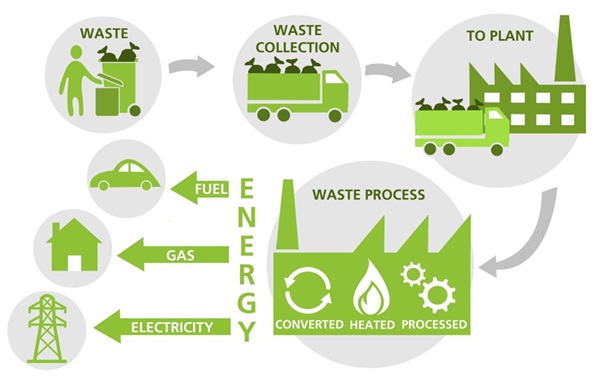
    The modern world is transitioning from a “Take–Make–Dispose” model to a “Reduce–Reuse–Recycle” model. The concept of “Waste to Wealth” signifies this transformation — converting waste into a valuable resource or wealth.

    In a developing country like India, where urbanization, industrialization, and consumption rates are rapidly increasing, waste management has become the key to sustainable development. Thus, “Waste to Wealth” is not only a path toward environmental protection but also a driver of economic growth and employment generation.
    Waste_to_Wealth

    Background & Context

    • India generates nearly 1.5 lakh tonnes (150,000 tonnes) of solid waste per day (MoHUA, 2024).
    • About 70% of this waste is not scientifically processed or disposed of.
    • The Waste to Wealth Mission (2019), launched under the Principal Scientific Adviser (PSA) to the Government of India, aims to make India clean and resource-rich by converting waste into useful products.
    • The mission advances India’s move toward Circular Economy, Green Energy, Resource Recovery, and Zero Waste Cities.

    Core Objectives

    1. Convert waste into energy, compost, and valuable products.
    2. Create landfill-free cities.
    3. Formally integrate the informal waste management sector.
    4. Promote technology-based solutions (Bio-methanation, RDF, Plastic Pyrolysis).
    5. Establish a Zero Waste Economy.

    Major Government Initiatives

    Initiative

    Description

    (1) Waste to Wealth Mission (2019)

    Launched under the PSA; developed over 500 technological solutions.

    (2) Swachh Bharat Mission 2.0

    Focuses on scientific solid waste disposal and source segregation.

    (3) Gobardhan Yojana

    Promotes biogas and compost production from organic waste.

    (4) Smart Cities Mission

    Encourages Waste-to-Energy and Material Recovery Facilities.

    (5) EPR Framework (Plastic & E-Waste)

    Holds producers responsible for recycling waste generated by their products.

    (6) Circular Economy Task Force (2022)

    NITI Aayog’s roadmap for circular economy implementation.

    Key Models & Approaches

    1.Waste-to-Energy (WtE):

    • Electricity generation from municipal solid waste.
    • Example: Timarpur and Bhalswa plants in Delhi.
    • About 13 operational WtE plants in India (CPCB, 2024).

    2.Waste-to-Compost:

    • Organic waste converted into bio-compost.
    • Around 800,000 tonnes of compost produced annually (MoHUA, 2023).

    3.Waste-to-Biogas:

    • Produces clean energy from cattle dung and food waste.
    • 550 biogas plants set up under Gobardhan Yojana.

    4.Waste-to-Construction Materials:

    • Using plastic and debris to make roads and bricks (“Plastic Roads”).
    • Implemented in Tamil Nadu, Maharashtra, and Telangana.

    5.Upcycling & Innovation:

    • “Phool” startup: Converts temple flowers into incense sticks.
    • “Recycle India” initiative: Produces textiles from plastic bottles.

    Achievements

    • Over 60% improvement in urban waste management since 2014.
    • 2.5 lakh tonnes of compost produced annually under the Waste-to-Compost policy.
    • 250 MW of electricity generation capacity through Waste-to-Energy projects.
    • Over 35 startups are working on “waste-to-innovation” models.

    Challenges

    1. Lack of source segregationmost households do not separate wet and dry waste.
    2. Technological limitations frequent technical failures in WtE plants.
    3. Financial viability issues high setup costs and low power tariffs.
    4. Informal sector dominanceover 80% of recycling handled informally.
    5. Low public awareness citizens rarely view waste as a resource.
    6. Data transparency gaps lack of reliable waste collection and processing data.

    Way Forward

    Area

    Suggestions

    Policy Reforms

    Strengthen coordination between Waste-to-Wealth Mission and state governments.

    Technological Innovation

    Promote indigenous technologies like biomethanation, plastic pyrolysis, and gasification.

    Financial Mechanisms

    Provide tax incentives and CSR investment opportunities for waste-based industries.

    Public Participation

    Involve citizens, NGOs, and Resident Welfare Associations (RWAs) in local waste solutions.

    Integration of Informal Sector

    Provide social security and training to waste collectors.

    Education & Awareness

    Launch “Waste Literacy” campaigns at school level.

    Circular Economy Roadmap

    Implement NITI Aayog’s sector-wise circular economy roadmap.

    Global Best Practices

    • Sweden: 99% of municipal waste recycled — known as the “Zero Landfill Nation.”
    • Germany: “Green Dot System” — producers pay recycling fees.
    • Japan: “Waste Hierarchy” policy prioritizing Reduce → Reuse → Recycle → Recover → Dispose.
    • India can adapt these models to implement the “Make Waste a Resource” approach.

    Conclusion

    The “Waste to Wealth” initiative is not just an environmental necessity — it is a transformative step toward economic self-reliance, innovation, and sustainable development.
    It strengthens SDG 11 (Sustainable Cities), SDG 12 (Responsible Consumption and Production), and SDG 13 (Climate Action).

    If India aligns local innovation, technology investment, and citizen participation, it can move beyond a “Garbage-Free India” toward a “Resource-Rich India.”

    “Waste is not the end of a life cycle — it is the beginning of a new one.”

    World Coalition for Peace with Nature (WCPN): Objectives, Principles, India’s Role, Challenges & Solutions

    In the 21st century, human civilization has achieved unprecedented progress; however, it has also intensified challenges such as climate change, biodiversity loss, and ecological imbalance.

    It is now evident that if humanity wishes to survive, it must establish peace and harmony with nature, not conflict.

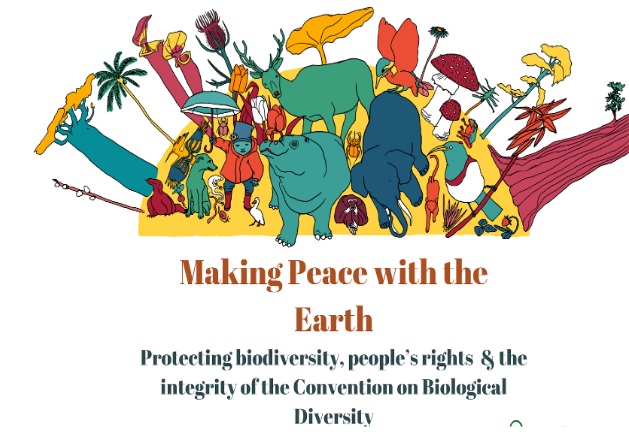
    To embody this vision, the World Coalition for Peace with Nature (WCPN) was established in 2024 — a global voluntary coalition that promotes nature-positive and harmony-based development.
    World_Coalition_for_Peace_with_Nature

    Background

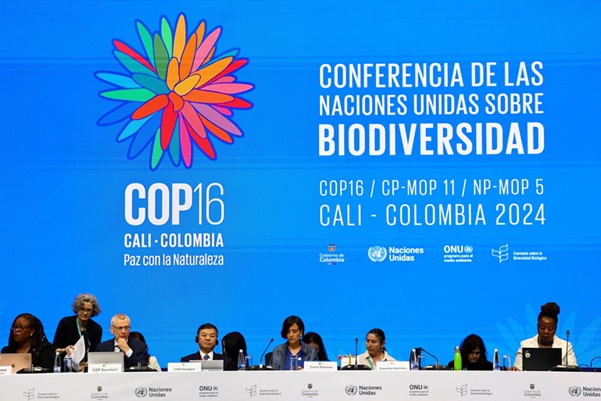
    • The initiative was launched during the UN Convention on Biological Diversity (CBD) COP-16 Conference (2024) held in Cali, Colombia.
    • Theme of COP-16: “Peace with Nature: A Call for Life.”
    • During the conference, the “Declaration of the World Coalition for Peace with Nature” was adopted, outlining 23 key principles, including human–nature harmony, biodiversity conservation, socio-environmental justice, and the One Health approach.
    • UN Secretary-General Antonio Guterres stated: “Saving ecosystems and making peace with nature is the defining task of the 21st century.”

    Objectives of WCPN

    WCPN

    Objective

    Description

    1. Balance in Human–Nature Relationship

    To establish a symbiotic relationship between development and ecological conservation.

    2. Biodiversity Protection

    Restoration and sustainable use of land, forest, water, and marine ecosystems.

    3. Socio-Environmental Justice

    Recognizing the traditional knowledge of indigenous and local communities.

    4. Shift in Economic Models

    Promoting a circular economy instead of a consumption-based growth model.

    5. Global Cooperation

    Fostering collaboration between governments, civil society, and the private sector.

    Key Principles of the Declaration

    1. Recognition of the Right to a Clean, Healthy, and Sustainable Environment as a human right.
    2. Adoption of Nature-Positive Development as a global policy foundation.
    3. One Health Approach Integrating the health of humans, animals, and the environment.
    4. Integration of Indigenous Knowledge Using traditional community-based conservation systems.
    5. Ecological Restoration Rejuvenation of forests, rivers, wetlands, and oceans.

    India and WCPN: A Perspective

    India, home to 17% of the world’s population and 8% of global biodiversity, is a natural partner in this coalition.

    India’s major initiatives aligned with WCPN:

    • National Biodiversity Mission (NBM): Integrative approach linking biodiversity and human well-being.
    • National Green Mission, GOBAR-Dhan Yojana, and Green Credit Programme (2023): Promote waste management and regenerative resource use.
    • Lifestyle for Environment (LiFE) Mission (2022): Encouraging citizens to become Pro-Planet People.
    • 30x30 Biodiversity Target: Protecting 30% of land and marine areas by 2030.

    By aligning these initiatives with WCPN’s principles, India can assume a global leadership role in nature-positive development.

    Global Significance

    • Serves as a complementary initiative to the Paris Agreement (2015) and Kunming-Montreal Global Biodiversity Framework (2022).
    • Connects environmental peace with human peace and security.
    • Encourages adoption of Nature-based Solutions (NbS) in all development sectors.
    • Prioritizes Nature Investment within Climate Finance frameworks.

    Key Challenges

    1. Voluntary Nature: Not legally binding, making compliance difficult.
    2. Financial Constraints: Need for adequate global funding for biodiversity protection.
    3. Lack of Political Will: Conflicts between national interests.
    4. Monitoring and Data Tracking: Absence of clear indicators to measure real progress.
    5. Development–Nature Dichotomy: Short-term economic gains versus long-term ecological balance.

    Way Forward

    Area

    Policy Recommendations

    1. Policy Integration

    Incorporate WCPN principles into national policies and SDG frameworks.

    2. Financial Innovation

    Promote Green Bonds and Biodiversity Credits.

    3. Indigenous Participation

    Include local and tribal communities in policymaking.

    4. Technological Collaboration

    Use geo-spatial and AI-based ecological monitoring systems.

    5. Education & Awareness

    Launch “Peace with Nature Literacy” programs in schools and universities.

    Conclusion

    The World Coalition for Peace with Nature reminds us that a war against nature is a war against humanity itself. Peace with nature is the pathway to prosperity, stability, and survival.
    For India — whose culture has long been rooted in reverence for nature — this coalition represents not merely an environmental initiative, but a civilizational renaissance.

    “Sustainable development is not development against nature, but development through harmony with nature.”

    « »
    • SUN
    • MON
    • TUE
    • WED
    • THU
    • FRI
    • SAT
    Have any Query?

    Our support team will be happy to assist you!

    OR