New
GS Foundation (P+M) - Delhi : 05th Jan., 2026 Winter Sale offer UPTO 75% + 10% Off, Valid Till : 5th Dec., 2025 GS Foundation (P+M) - Prayagraj : 15th Dec., 11:00 AM Winter Sale offer UPTO 75% + 10% Off, Valid Till : 5th Dec., 2025 GS Foundation (P+M) - Delhi : 05th Jan., 2026 GS Foundation (P+M) - Prayagraj : 15th Dec., 11:00 AM

Current Affairs for 20 November 2025

Trade Intelligence & Analytics (TIA) Portal

(Prelims: Economy, International Trade + CA)
(Mains: GS 2 – Governance, GS 3 – Economy)

Why in the News ?

The Union Minister of Commerce & Industry recently launched the Trade Intelligence & Analytics (TIA) Portal in New Delhi. It aims to provide a unified, data-rich platform for exporters, MSMEs, policymakers, and trade analysts to access global and national trade-related intelligence.
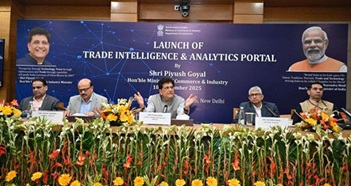
About Trade Intelligence & Analytics Portal

Overview

  • TIA Portal is a one-stop digital trade intelligence platform consolidating multiple global and national trade databases.
  • Developed by the Department of Commerce, Ministry of Commerce & Industry.

Launch & Background

  • Launched to make trade data more accessible, transparent, and user-friendly.
  • Integrates major international and bilateral trade databases, macroeconomic datasets, and country-level indicators into a single digital ecosystem.
  • The portal supports evidence-based policy formulation and improves India’s export competitiveness.

Objectives of the TIA Portal

  • Provide real-time, interactive insights into India’s and global trade flows.
  • Support exporters and MSMEs in identifying market opportunities, demand patterns, and competitor trends.
  • Enhance monitoring of critical minerals and PLI-linked sectors.
  • Offer automated and customizable trade reports for policymakers and industry stakeholders.
  • Enable comparison of countries through trade, macroeconomic, and investment indicators.

Key Features

1. Centralised Trade Hub

  • Single integrated platform combining global, bilateral, and domestic trade datasets.
  • Over 270 interactive visualisations and more than 28 dashboards.

2. Automated Analytics & Reports

  • Auto-generated trade reports on export trends, commodities, and market opportunities.
  • Includes monitoring of PLI sectors and surge analysis.

3. Indices Included

  • Trade Complementarity Index (TCI): Measures how well India’s export profile matches partner countries’ import needs.
  • Revealed Comparative Advantage (RCA): Identifies products where India is globally competitive.
  • Trade Intensity Index (TII): Measures the strength of India’s bilateral trade compared to global trends.

4. Tools for Data Comparison

  • Country-wise comparison across macroeconomic, investment, and trade indicators.
  • Visual tools for studying global value chains, import dependencies, and export potential.

5. User-Friendly Access

  • Built on cost-effective, open-source architecture.
  • All datasets are API-linked, enabling quick updates and extraction.

Significance of the TIA Portal

1. Democratizes Access to Trade Data

Allows MSMEs, startups, and small exporters to access data that was previously costly or restricted.

2. Enhances Export Competitiveness

Helps exporters understand demand patterns, competitor countries, and potential markets.

3. Boost to Evidence-Based Policymaking

Supports government agencies in identifying vulnerabilities, global shifts, and policy needs.

4. Supports PLI Sectors & Critical Minerals

Tracks trade trends important for national manufacturing strategy and strategic mineral security.

5. Strengthens India’s Trade Strategy

Improves market diversification, FTA utilization, and global outreach.

Challenges

  • Limited awareness among smaller exporters and rural MSMEs.
  • Digital literacy gaps may limit usage.
  • Requires regular data updates to maintain accuracy.
  • Some global datasets may have time lags.

Way Forward

  • Conduct nationwide awareness sessions for exporters and MSMEs.
  • Integrate more AI-based predictive tools.
  • Add state-wise trade dashboards for regional planning.
  • Improve multilingual access to expand usage.

FAQs

1. What is the Trade Intelligence & Analytics (TIA) Portal ?
It is a centralized digital platform developed by the Department of Commerce that provides real-time insights into global and Indian trade flows through dashboards and visual analytics.

2. Who can use the TIA Portal ?
Exporters, MSMEs, startups, government officials, researchers, and policymakers.

3. Which indices are included in the portal ?
Trade Complementarity Index, Revealed Comparative Advantage Index, and Trade Intensity Index.

4. How many dashboards does the TIA portal offer ?
The portal offers 28+ dashboards and over 270 interactive visualisations.

5. What makes the TIA Portal significant for UPSC ?
It relates to India’s international trade strategy, export competitiveness, policymaking, and digital governance—important for Prelims (Economy) and Mains (GS2/GS3).

Raulane Festival: Ancient Celestial Tradition of Himachal Pradesh

(Prelims: Art & Culture + CA)
(Mains: GS 1 – Indian Culture & Heritage)

Why in the News ?

Vibrant and captivating photographs of the Raulane Festival from Himachal Pradesh recently went viral on social media, sparking widespread interest in the unique centuries-old ritual and its cultural significance.

About the Raulane Festival

Overview

  • The Raulane Festival is a traditional Himalayan winter festival celebrated in Kalpa, Kinnaur district of Himachal Pradesh.
  • It is believed to be nearly 5,000 years old, making it one of the oldest surviving cultural traditions of the region.

Cultural Background

  • The festival honours Saunis — celestial fairies described as radiant, gentle protectors of the villagers.
  • Locals believe these divine beings guide and guard them during harsh winters, offering warmth, protection, and blessings.

Rituals & Practices

Symbolic Marriage Ceremony

  • The central highlight is a symbolic marriage ritual where two men become vessels for the Saunis.
  • The pair embody a divine couple:
    • Raula (groom)
    • Raulane (bride)

Traditional Attire

  • Participants wear:
    • Heavy woollen robes
    • Traditional ornaments
    • Distinctive face masks crafted specially for the ritual

Temple Dance

  • The Raula and Raulane perform a slow, meditative dance at the Nagin Narayan Temple.
  • The entire community gathers to participate, symbolising unity and collective prayer for seasonal protection.

Significance of the Festival

  1. Preservation of Ancient Himalayan Culture: Carries forward indigenous Kinnauri beliefs, folklore, and rituals.
  2. Community Bonding: Acts as a unifying event for all households during the difficult winter period.
  3. Spiritual Protection Ritual: Worship of Saunis is believed to bring safety, warmth, and harmony.
  4. Cultural Continuity Amid Modernity: Helps preserve oral traditions, craftsmanship, and ritualistic dance forms.

Challenges

  • Limited documentation of rituals threatens knowledge continuity.
  • Younger generations migrating to cities may reduce participation.
  • Modern influence risks dilution of traditional practices.

Way Forward

  • Promote cultural documentation and archiving.
  • Introduce community youth participation programmes.
  • Highlight the festival in eco-cultural tourism initiatives to enhance visibility and preservation.

FAQs

  • What is the Raulane Festival ?
  • It is an ancient 5,000-year-old festival of Kinnaur celebrating celestial fairies (Saunis) through symbolic rituals and traditional dance.
  • Where is the festival celebrated ?
    In Kalpa, located in Kinnaur district, Himachal Pradesh.
  • Who are the Raula and Raulane?
    Two men who symbolically represent a divine couple and act as spiritual vessels for the Saunis.
  • What is the main ritual of the festival ?
    A symbolic wedding and meditative dance at the Nagin Narayan Temple.
  • Which UPSC subject is this relevant to ?
    It is relevant to Prelims – Art & Culture and Mains GS-1 – Indian Culture.

AFRICAN SWINE FEVER OUTBREAK IN ASSAM

Prelims: (Science & Technology + CA)
Mains: GS 3 – science)

Why in the News?

The Government of Assam has banned the inter-district movement of live pigs to curb the spread of African Swine Fever (ASF), following a rise in cases across several districts. ASF poses a serious threat to the piggery sector due to its extremely high mortality rate.

About African Swine Fever (ASF)

  • ASF is a severe, highly contagious viral and hemorrhagic disease affecting domestic pigs and wild boar.
  • It is not zoonotic — humans cannot contract ASF.
  • Mortality rates range from 90–100%, causing significant livestock losses.
  • First detected in sub-Saharan Africa, it has now spread to multiple countries across Europe and Asia.
  • India reported its first ASF outbreak in 2020 in Assam and Arunachal Pradesh.

Transmission

ASF spreads via:

  • Direct contact between infected and healthy pigs/wild boars
  • Contaminated feed, water, or surfaces
  • Contaminated human clothing, boots, equipment, or vehicles
  • Survival in pork products (bacon, ham, sausages)
  • Soft ticks in tropical/subtropical regions

The virus is environmentally stable, making containment difficult.

Symptoms of ASF

  • High fever
  • Weakness, loss of appetite
  • Red or darkened skin patches
  • Bloody diarrhoea
  • Vomiting
  • Inflammation around the eyes
  • Sudden deaths in large numbers

Symptoms closely resemble classical swine fever.

Government Measures in Assam

  • Complete ban on inter-district movement of pigs
  • Restrictions on pork sale and transport in affected zones
  • Surveillance teams deployed in outbreak districts
  • Isolation of infected farms
  • Culling operations in severely affected pockets
  • Public advisories for farmers on strict farm-level biosecurity

Prevention & Control

There is no vaccine or treatment for ASF. Control depends entirely on:

  • Rigorous biosecurity measures
  • Quarantine of infected farms
  • Safe disposal of carcasses
  • Cleaning and disinfection of equipment, vehicles, feed, and water sources
  • Restriction of pig movement
  • Regular monitoring and reporting of sick animals

Impact of the Outbreak

  • Heavy financial losses for small pig farmers
  • Disruption of pork supply chains
  • Threat to Assam’s piggery economy, which is one of the largest in India
  • Increased burden on veterinary and district administration machinery
  • Social and economic stress in communities dependent on pig rearing

FAQs

1. Is ASF dangerous to humans ?
No. ASF does not infect humans and is not a zoonotic disease.

2. Why does ASF spread so rapidly ?
Because the virus survives for long periods in the environment and in pork products, making fomite transmission highly efficient.

3. Does India have a vaccine for ASF ?
No. There is currently no approved vaccine; prevention relies on biosecurity.

4. Why is Assam particularly vulnerable ?
Because pig rearing is widespread and is a major livelihood source in the state.

5. Which UPSC subjects cover ASF-related questions ?
Environment, Science & Technology, Animal Husbandry, Disaster Management, and Governance.

Leadership Group for Industry Transition (LeadIT)

(Prelims: Environment, International Organisations + CA)
(Mains: GS 3 – Environment)

Why in the News ?

The Union Minister for Environment, Forest and Climate Change addressed the Leadership Group for Industry Transition (LeadIT) Industry Leaders’ Roundtable during UNFCCC COP-30 at Belém, Brazil, highlighting India’s commitment to low-carbon industrial transformation.

About Leadership Group for Industry Transition (LeadIT)

Overview

  • LeadIT is a global high-level platform promoting the transition of heavy industries to net-zero emissions.
  • Launched jointly by India and Sweden at the UN Climate Action Summit 2019.
  • Supported by the World Economic Forum (WEF).
  • Secretariat: Stockholm Environment Institute (SEI).
  • Membership: 18 countries and 27 companies.

Launch & Background

  • Established in 2019, recognising that hard-to-abate sectors (steel, cement, transport, chemicals) contribute significantly to global industrial emissions.
  • Designed to enable cooperation between governments, industries, and research partners.

LeadIT focuses on:

  • Developing low-carbon technology pathways
  • Strengthening public-private partnerships
  • Enhancing global climate finance flows
  • Ensuring just & inclusive industrial transition

Objectives of LeadIT

  • Accelerate net-zero industrial transformation.
  • Encourage collaboration in:
    • Technology co-development
    • Policy frameworks
    • Financial support mechanisms
  • Support emerging economies in adopting low-carbon technologies.
  • Promote capacity-building, research exchange, and best-practice sharing.

LeadIT 2.0 (2024–26)

Announced at COP-28 (Dubai).

Focus Areas

  • Inclusive & Just Industry Transition
  • Co-development & Transfer of Low-Carbon Technology
  • Financial Support to Emerging Economies

Mission Statement

Adopted during the LeadIT Summit at COP-28, the three-year mission emphasizes:

  • Global cooperation
  • Implementation-oriented industrial pathways
  • Democratization of clean industrial technologies

Key Initiative: India–Sweden Industry Transition Partnership (ITP)

  • Collaboration involves 18 industries and research institutes from both countries.
  • Focus sectors:
    • Industrial by-product valorisation
    • Carbon capture and utilization (CCU)
    • AI-based process optimization
    • Electrification of industrial systems
    • Hydrogen-based industrial heating

India’s Key Highlights at COP-30

  • India reiterated its commitment to technology-driven climate leadership.
  • Emphasized that global climate governance must shift from goal-setting to implementation.
  • India achieved 36% reduction in emission intensity of GDP (2005–2020).
  • Announced SKF as a new LeadIT member.

LeadIT Structure

Member Composition Table

Component

Details

Founding Countries

India & Sweden

Total Member Countries

18

Industry Members

27 global companies

Secretariat

Stockholm Environment Institute

Supported By

World Economic Forum

Significance of LeadIT

1. Supports Net-Zero Industrial Goals

Heavy industrial sectors are major emitters; LeadIT helps them shift to low-carbon pathways.

2. Bridges Global Technology Gaps

Encourages joint R&D, tech transfer, and innovation especially for developing nations.

3. Strengthens India’s Climate Leadership

As Co-Chair, India shapes global heavy-industry transition discourse.

4. Drives Green Industrial Competitiveness

Partnerships like ITP boost India’s access to advanced industrial technologies.

5. Facilitates Inclusive Transition

Focuses on emerging economies—ensuring no nation is left behind in the green shift.

Challenges

  • High capital requirements for industrial transformation.
  • Immature technology ecosystems for hydrogen heating, CCU, etc.
  • Limited access to climate finance for developing countries.
  • Need for strong monitoring frameworks to ensure compliance.
  • Risk of job displacement in traditional industrial sectors.

Way Forward

  • Expand blended finance models for industry decarbonization.
  • Accelerate pilot projects in steel, cement, and transport sectors.
  • Promote skill development & reskilling for workers.
  • Enhance global cooperation under LeadIT for faster technology diffusion.
  • Encourage more countries and companies to join LeadIT platforms.

FAQs

1. What is LeadIT ?
LeadIT is a global initiative launched by India and Sweden to support low-carbon transitions in heavy industries and help achieve net-zero emissions by 2050.

2. When was LeadIT launched ?
It was launched in September 2019 at the UN Climate Action Summit.

3. What is LeadIT 2.0 ?
LeadIT 2.0 (2024–26) is the second phase focusing on just transition, technology co-development, and finance for emerging economies.

4. Who hosts the LeadIT Secretariat ?
The Stockholm Environment Institute (SEI).

5. How does LeadIT benefit India ?
It enhances India’s climate leadership, supports technology access through the India–Sweden partnership, and accelerates decarbonization of heavy industries.

Supreme Court Strikes Down Provisions of Tribunal Reforms Act, 2021

Prelims: (Polity + CA)
Mains: (GS 2 – Polity & Governance/Constitution)

Why in the News ?

The Supreme Court of India has struck down several provisions of the Tribunal Reforms Act, 2021, declaring them unconstitutional for violating judicial independence, separation of powers, and constitutional supremacy.
The Court also directed the Union Government to set up the long-pending National Tribunal Commission (NTC) within four months.

Background: Evolution of Tribunal Reforms in India

  • Tribunals were introduced to provide speedy, specialised, and less formal adjudication.
  • Over time, concerns arose regarding excessive executive control, short tenures, and poor infrastructural support.
  • The Supreme Court, through multiple judgments (Rojer Mathew 2019, Madras Bar Association 2020 & 2021), laid down strict guidelines to secure tribunal independence.
  • Despite this, the Tribunal Reforms Act, 2021 reintroduced provisions that were previously struck down, prompting renewed litigation.

Overview of the Tribunal Reforms Act, 2021

The Act aimed to revamp tribunal functioning but drew criticism for reinforcing executive dominance.

Key Provisions

  • Minimum age of 50 years for appointment as tribunal member.
  • Four-year tenure, with the possibility of reappointment.
  • Search-cum-Selection Committee with two Central Government Secretaries — often from ministries that appear as litigants before the tribunal.
  • Executive powers to frame rules on appointments, service conditions, salaries, and removal.
  • Abolished nine specialised tribunals, shifting their work to High Courts.

These provisions had earlier been invalidated by the Supreme Court but were reintroduced with minor modifications.


Supreme Court’s Core Findings

A Bench led by CJI B.R. Gavai and Justice K. Vinod Chandran found the Act to be a “legislative override” that attempted to undo judicial directions.

1. Judicial Independence

  • Tribunals perform judicial functions; hence executive influence in appointments undermines neutrality.
  • Government, being a frequent litigant, cannot control tenure, salaries, or selections.

2. Separation of Powers

  • Parliament cannot re-enact provisions that the Court has already struck down.
  • Judicial directions cannot be bypassed by superficial legislative changes.

3. Constitutional Supremacy

  • “The Constitution is what the Court says it is.”
  • The Court reiterated that judicial review is a basic feature and cannot be undermined.

Key Provisions Struck Down

The Supreme Court invalidated provisions that:

  • Set minimum age of 50 years for appointment.
  • Gave the Centre power to fix tenure, age limits, and service conditions.
  • Restricted tenure to four years, undermining continuity.
  • Included government secretaries on the selection committee.
  • Gave excessive rule-making authority to the executive.

These were seen as direct attempts to dilute tribunal autonomy.


Direction to Establish the National Tribunal Commission (NTC)

The Court ordered the Union Government to set up the National Tribunal Commission, envisioned as an independent oversight body to:

  • Handle tribunal member appointments,
  • Regulate service conditions,
  • Oversee administration and infrastructure,
  • Ensure uniformity across tribunals,
  • Reduce executive involvement.

The Court termed the NTC anessential structural safeguard”.


Issues with the 2021 Act Highlighted by Petitioners

Petitioners (Madras Bar Association & Jairam Ramesh) argued:

  • The Act attempted a “sly revival” of unconstitutional provisions.
  • Executive dominance compromises independence as the government is the largest litigant.
  • Reforms were passed without meaningful debate.
  • Abolition of nine tribunals increased pressure on ** already overburdened High Courts**.

The Supreme Court largely concurred with these views.


Significance of the Judgment

  • Reinforces judicial checks on legislative overreach.
  • Protects tribunals from executive interference.
  • Strengthens citizens’ access to independent justice.
  • Sends a clear message that non-compliance with constitutional judgments is unacceptable.
  • Re-establishes constitutional balance among legislature, executive, and judiciary.

Challenges Ahead

  • Establishing the National Tribunal Commission requires cross-ministerial coordination.
  • High Courts may see more backlog until tribunal vacancies are filled.
  • Future amendments must strictly adhere to Court guidelines.
  • Ensuring transparent, prompt appointments and adequate infrastructure remains essential.

FAQs

1. Why did the Supreme Court strike down provisions of the Tribunal Reforms Act, 2021?

Because the Act reintroduced provisions previously held unconstitutional, violating judicial independence and the principle of separation of powers.

2. What constitutional principles were central to the judgment?

Judicial independence, separation of powers, and constitutional supremacy — all part of the basic structure.

3. What is the National Tribunal Commission (NTC)?

A proposed independent body to oversee tribunal appointments, administration, service conditions, and infrastructure.

4. Why was the minimum age requirement of 50 years invalidated?

The Court held that it reduced the pool of eligible candidates and allowed the executive to control who enters the tribunal system.

5. How does the judgment affect tribunal functioning in India?

It strengthens tribunal autonomy, reduces executive dominance, and ensures that tribunals remain impartial adjudicatory bodies.

Naturopathy: From Nature to Health

(Prelims: Current Affairs)

Why in the News

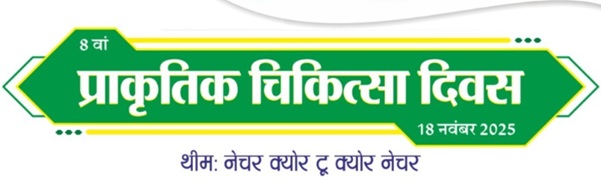
On November 18, 2025, the 8th Naturopathy Day was celebrated at Nisarg Gram in Pune. The program emphasized a natural lifestyle, Gandhian values, and health in harmony with nature.
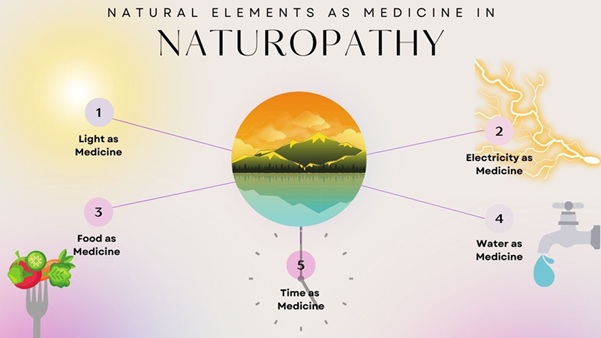
What is Naturopathy ?

  • Naturopathy is a natural healing system based on the body's self-healing ability.
  • It emphasizes a natural lifestyle, a balanced diet, yoga, and treatment with natural elements such as sun, air, water, and soil, rather than relying on drugs and chemicals.
  • Mahatma Gandhi described it as the "path to health and self-reliance."

Key Features

  • Naturopathy: hydrotherapy, mud therapy, sun therapy, fasting, massage, etc.
  • Lifestyle-based medicine: balanced diet, positive thinking, regular exercise, and timely sleep.
  • Person-centered approach: Focuses on the individual's overall health, not the disease.
  • Side-effect-free: Minimal use of chemicals, drugs, and physical interventions.
  • Body-mind-spirit balance: Mental and spiritual health are given equal importance as physical health.

Key Benefits

  • Effective for lifestyle diseases: Obesity, diabetes, high blood pressure, stress, etc.
  • Immunity enhancement: Strengthens the body's natural resistance.
  • Affordable and safe: Accessible and affordable treatment for the general public.
  • Holistic health approach: Balances body, mind, and diet.
  • Long-term solution: Focuses on addressing the cause, not just the symptoms.

National Institute of Naturopathy (NIN)

  • Location: Pune, Maharashtra; Nisarg Gram campus.
  • Established: Established on December 22, 1986, under the Societies Registration Act.
  • Nodal Ministry: A premier national institute under the Ministry of Health and AYUSH.
  • Gandhian Connection: This place is considered the karmabhoomi of Mahatma Gandhi, where he practiced naturopathy extensively.
  • Functions and Role:
    • Providing naturopathy education, research, and training.
    • Organizing programs on natural diet, yoga, lifestyle management, and disease prevention.
    • Publishing books, research papers, and awareness materials.
    • Organizing national-level health festivals, natural food festivals, and competitions.
    • Promoting Gandhian health principles and the self-reliant health model.

Project Gaja-Lok

(Prelims: Important Events)

Why in the News

Recently, the Indian National Trust for Art and Cultural Heritage (INTACH) launched Project Gaja-Lok.
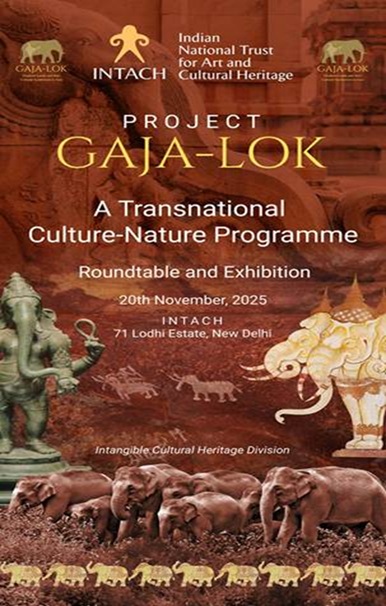
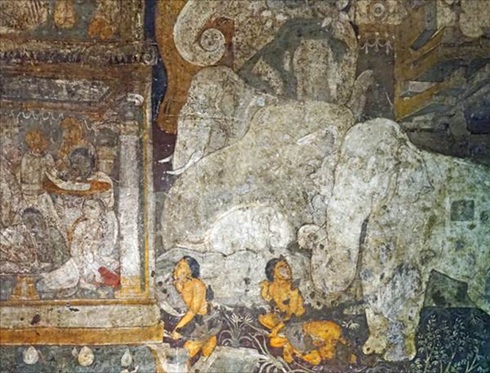
About Project Gaja-Lok

  • It is a significant international initiative to understand and preserve the cultural, historical, ecological, and environmental significance of the Asian elephant.
  • The project began with an exhibition and roundtable discussions held in New Delhi, with participation from experts, researchers, and conservationists.
  • The initiative promotes cooperation among Asian countries where elephants have cultural and religious significance.
  • The elephant is presented as a cultural icon and a symbol of ecological resilience.

(Figure 1: Elephant murals in the caves of Ajanta and Aurangabad, Maharashtra)

Key Features

  • Multi-country initiative: A comparative study of the role of elephants in various Asian civilizations.
  • Documentation of cultural heritage: An exhibition showcasing the image of elephants in temples, sculptures, texts, court art, and folk traditions.
  • Integration of history and spirituality: An analysis of the spiritual role of elephants in Buddhist, Jain, Hindu, and Southeast Asian traditions.
  • Research on human-elephant relationships: Discusses conflict, coexistence, ethics, and modern ecological challenges.
  • Climate and environmental significance: Focuses on the vital role of elephants in forests, ecology, and biodiversity.
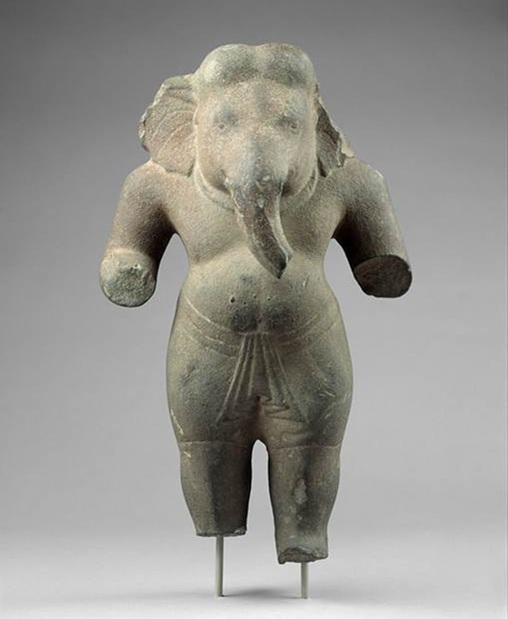
  • Artifacts display: Displays cultural relics such as Indus Valley seals, Bharhut railings, sculptures from Konark, Gwalior Fort, Thailand, and Cambodia.

(Figure 2: Elephant seal, Harappa, National Museum, Delhi)
Significance

  • The role of elephants in various Asian traditions will be preserved.
  • Helps in formulating better policies and conservation strategies.
  • Strengthening environmental conservation efforts by highlighting the ecological importance of elephants.
  • Exhibitions, books, and discussions will strengthen the spirit of conservation in society.
  • Improved policymaking on conservation, cultural documentation, and the “nature-culture link.”

(Figure 3: Standing Ganesha, Pre-Angkor Period (late 7th century), Cambodia)

Also Know!

About INTACH

  • Full name: Indian National Trust for Art and Cultural Heritage (INTACH)
  • Established: 1984
  • Form: Non-profit organization
  • Main objectives:
    • Conservation of India's natural, cultural, heritage, tangible, intangible, and living heritage.
    • Conservation of historical buildings, arts, crafts, archaeological sites, folk traditions, cultural documentation, etc.
    • Running heritage clubs to engage the younger generation in heritage conservation.
  • International recognition: Expanding conservation work through collaborations with several global organizations, including UNESCO.

Macaulay’s Education Policy and Colonial Mentality: Restructuring Knowledge, Culture, and Governance in India

GS-1: (Modern History), GS-2:  (Education), Essay, Prelims

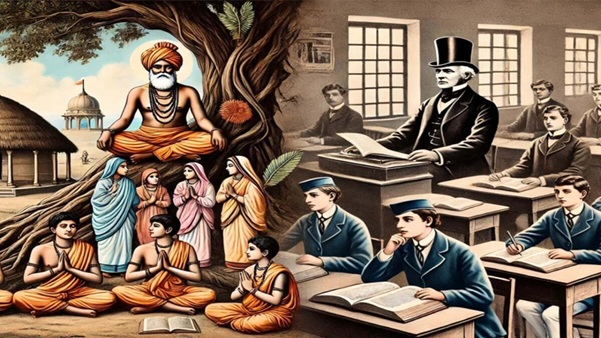
In 1835, Thomas Babington Macaulay presented the “Minute on Indian Education”, a watershed moment in Indian history that deeply influenced education, language, culture, and social structure. It was not merely a document of educational reform but a comprehensive colonial mental project—aimed at weakening India’s cultural foundation and creating a class of people who were Indian in blood but English in mind. The 2025 call by the Prime Minister for a “10-year pledge to end colonial mentality” is a direct response to this legacy.
Prime Minister’s Call for a 10-Year Pledge to End Colonial Mentality

The Prime Minister emphasized that by the bicentennial of the colonial campaign initiated by Macaulay in 1835—i.e., over the next 10 years—India must free itself from a mentality that:

  • Regards English as superior,
  • Considers Indian languages inferior,
  • Treats Western culture as “modern,”
  • And deems Indian knowledge systems irrelevant.

According to him, this is not merely an educational reform but a campaign of Cognitive Renaissance.

The 1835 Macaulay Minute: A Decisive Blow to India

Key points of Macaulay’s Minute:

  • Indian languages such as Sanskrit, Arabic, Persian, Hindi, Tamil, and Telugu were deemed useless.
  • English was presented as the only medium for “high knowledge.”
  • Government funds were proposed to be spent exclusively on English education.
  • Indian literature, philosophy, medicine, mathematics, and sciences were depicted as inferior to Western knowledge.
  • A “mediating class” was envisioned: “Indian in blood and colour, but English in tastes, opinions, morals and intellect.”

This policy directly attacked India’s cultural, linguistic, and intellectual spirit.

Who was Macaulay ?

  • Full name: Thomas Babington Macaulay. 
  • First Law Member of the Council of the Governor-General of India (1834–1838). 
  • Appointed under the Charter Act of 1833.
  • Profound influence on the Indian Penal Code (IPC) and education policy.

Gandhi’s Perspective: Destruction of a “Beautiful Tree”

Mahatma Gandhi criticized British education policy, stating: “India’s ancient education system was a beautiful tree, uprooted and destroyed.”

He implied that India’s Gurukul/Pathshala system nurtured:

  • Morality
  • Character
  • Skill
  • Community spirit
  • Local knowledge

Macaulay’s policy uprooted this system, laying the foundation for English-based mental subjugation.

Five Dimensions of Colonial Mentality in India

Colonial mentality was not limited to language—it permeated social structure, administration, culture, and thought.

  1. Language-Based Colonialism
    • English became the language of courts, universities, and jobs.
    • English was seen as a “ticket to success.”
    • Indian languages—Sanskrit, Tamil, Pali, Bengali, Hindi—were excluded from educational competition.
    • Non-English speakers were often deprived of opportunities.
  2. Cultural Colonialism
    • Western culture was deemed “superior” while Indian lifestyle was portrayed as inferior.
    • Clothing, food, art, literature, music, and architecture were influenced.
    • Indian cultural pride diminished; imitation of the West became prevalent.
    • Indian knowledge systems were labeled unscientific.
  3. Legal and Institutional Colonialism
    • Laws were designed primarily to maintain British control:
      • IPC (1860)
      • Sedition Law
      • Police Act (1861)
      • Forest Laws
      • Land and Revenue Laws
    • The goal was administrative control rather than citizen freedom.
  4. Economic Colonialism
    • India was turned into a supplier of raw materials and a market for Britain.
    • Local industries (handlooms, iron, shipbuilding) were destroyed.
    • Massive drain of wealth ensued.
    • Result: widespread poverty and economic backwardness.
  5. Colonial Model of Knowledge and Research
    • Western research methodologies were imposed.
    • Indian science, mathematics, medicine, yoga, and agriculture were labeled unscientific.
    • Indian universities also followed Western paradigms.

Cognitive Decolonisation: The Way Forward

India has now reached a stage where mental freedom is essential. This requires action at three levels: policy, cultural, and behavioral.

  1. Policy-Level Decolonisation
    • NEP 2020: Mother-tongue-based education, Indian Knowledge Systems (IKS), skill-based learning.
    • Revision or repeal of colonial laws.
    • Restructuring administrative frameworks with Indian values.
    • Examples:
      • Renaming Rajpath to Kartavya Path—shifting from power display to duty.
      • Replacing IPC with new Indian justice codes.
  2. Cultural Revival
    • Restoration of India’s cultural memory:
      • Yoga as a global identity—International Yoga Day.
      • Revival of crafts, folk art, festivals.
      • Incorporating Indian state tradition in New Parliament building.
  3. Behavioral Change
    • Atmanirbhar Bharat: Indigenous innovation, local production.
    • Sustainable development rooted in Indian models.
    • Example: Mission LIFE (Lifestyle for Environment) promoting environmental responsibility based on Indian lifestyle.

Conclusion

The 1835 Macaulay Minute was not just an educational policy—it was a carefully designed strategy for mental subjugation. It weakened Indian languages, culture, and knowledge traditions while creating an English-centered elite. The Prime Minister’s 10-year pledge signals India’s renewed effort to revive its cultural soul. Cognitive decolonisation, i.e., redefining thought, education, law, and culture from an Indian perspective, is essential for 21st-century India.

Cyclone Management in India

Mains GS Paper 3-disaster management 

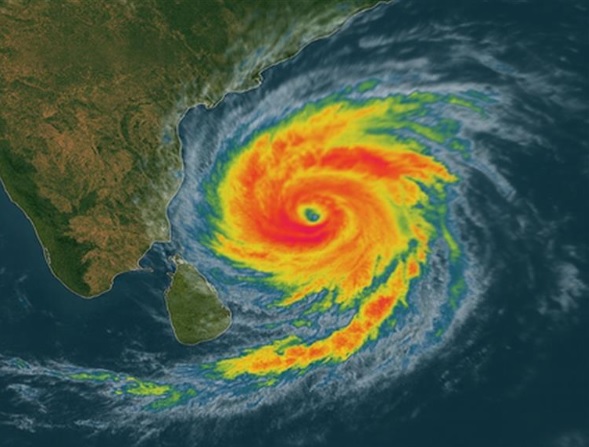
India’s approximately 7,500 km long coastline makes it highly vulnerable to tropical cyclones. On average, 5–6 cyclones occur in India each year, with most affecting the eastern coast (Bay of Bengal) more severely. In recent years, India has made significant progress in forecasting, evacuation, relief, and rehabilitation, resulting in a substantial reduction in mortality.
Cyclone: Introduction and Indian Context

A cyclone is a low-pressure system formed over tropical oceans, characterized by strong winds, heavy rainfall, and storm surges.

In India, there are two main maritime sources:

  • Bay of Bengal 80% of cyclones originate here
  • Arabian Sea cyclones have increased in recent years

Impacts include:

  • Storm surges in coastal districts
  • Flooding and landslides
  • Damage to infrastructure
  • Significant effects on agriculture and fisheries

Framework for Cyclone Management in India

India’s cyclone management is based on a modern model of Preparedness → Warning → Response → Recovery.

Preparedness & Mitigation

Key initiatives:

  1. National Cyclone Risk Mitigation Project (NCRMP)
    • Cyclone shelters in coastal states
    • Advanced warning systems
    • Evacuation routes
    • Coastal embankment construction
  2. Coastal Zone Management
    • Mangrove protection and plantation (effective in Odisha and West Bengal)
    • Coastal Regulation Zone (CRZ) rules
  3. Community-based Preparedness
    • Volunteer teams, mock drills, school safety programs

Early Warning System

  • India Meteorological Department (IMD) — forecasts cyclones, tracks them, names them, and issues warnings
  • Early Warning Dissemination System (EWDS)
    • Sirens, SMS alerts, TV/radio messages, satellite-based communication
  • Large network of Doppler radars established

Response

  • Mass evacuation from affected areas
  • Safe shelter in multi-purpose cyclone shelters
  • Deployment of National Disaster Response Force (NDRF)
  • Rescue operations by Air Force, Navy, and Coast Guard

Recovery & Reconstruction

  • Repair of damaged infrastructure
  • Compensation for agriculture, fisheries, and small industries
  • Cyclone-resilient buildings and coastal infrastructure
  • Long-term rehabilitation plans

Recent Cyclone: Cyclone Montha (2025)

Introduction:

  • Cyclone Montha developed in the Bay of Bengal in October 2025
  • Made landfall near the coast of Andhra Pradesh on 29 October 2025

Impact:

  • Heavy rainfall, winds of 120–140 km/h
  • Losses exceeding 5,244 crore in Andhra Pradesh
  • Most affected districts: Krishna, Bapatla, Nellore
  • Agriculture, fisheries, power, and road networks severely impacted

Deaths and Evacuation:

  • Very low casualties (reports suggest 2–8 deaths)
  • Tens of thousands safely evacuated in time

Key Features & Lessons:

  • Rapid warnings and coordinated evacuation prevented large-scale loss of life
  • Weak coastal infrastructure highlighted
  • Indicates that future cyclones may become more intense due to climate change

Odisha Model: India’s Success Story

After the 1999 Super Cyclone:

  • Developed a world-class cyclone management system
  • 800+ cyclone shelters
  • “Zero Casualty Approach”
  • Community-based management most effective

Result: Minimal casualties in cyclones like Phailin (2013), Hudhud (2014), Fani (2019), Yaas (2021)

Major Challenges

  1. Climate change — rising sea surface temperatures intensify cyclones
  2. Increasing population and infrastructure in coastal areas
  3. Weak buildings and old coastal embankments
  4. Rising economic losses
  5. Last-mile communication in rural areas still challenging

Way Forward

  • More accurate weather models, AI-based tracking
  • Enforcement of cyclone-resistant building standards
  • Large-scale restoration of mangroves and coastal wetlands
  • 100% EWDS coverage in all coastal districts
  • More powerful NDRF/SDRF teams
  • Enhanced local community participation

Conclusion

India’s cyclone management has become world-class over the past two decades. Cyclone Montha (2025) demonstrated that timely warnings, community preparedness, and robust institutional mechanisms are highly effective in saving lives.

However, considering the challenges posed by climate change, India needs an even stronger, technology-enabled, and community-centered cyclone management system for the future.

« »
  • SUN
  • MON
  • TUE
  • WED
  • THU
  • FRI
  • SAT
Have any Query?

Our support team will be happy to assist you!

OR