New
GS Foundation (P+M) - Delhi : 05th Jan., 2026 Winter Sale offer UPTO 75% + 10% Off GS Foundation (P+M) - Prayagraj : 15th Dec., 11:00 AM Winter Sale offer UPTO 75% + 10% Off GS Foundation (P+M) - Delhi : 05th Jan., 2026 GS Foundation (P+M) - Prayagraj : 15th Dec., 11:00 AM

Mexico's Tariff Expansion: Pressure on India's Auto Exports

(Prelims: Current Events of National and International Importance)
(Mains, General Studies Papers 2 and 3: Agreements related to and/or affecting India's interests; Impact of policies of developed and developing countries on India's interests; Indian Economy and Planning)

Context

  • Recently, the Mexican Senate approved tariffs of up to 50% on imports from Asian countries, including India, with which Mexico does not have a free trade agreement (FTA).
  • This move is an extension of the tariffs imposed in April 2024, and the new tariffs are expected to come into effect on April 1, 2026. While an analysis of trade data suggests that these tariffs will not pose a serious threat to India's overall exports, they will continue to impact specific sectors, such as automobiles.

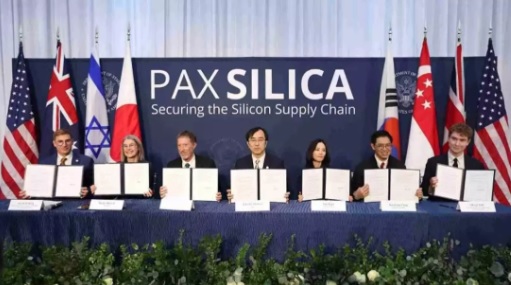
Pax-Silica

Countering US Pressure

  • Documents available on the Mexican government website indicate that these tariffs are not new, but rather extend the 5-50% tariffs imposed in April 2024 for a two-year period on various goods imported from non-FTA partners, approved by the Senate in December 2025.
  • The primary purpose of these tariffs imposed by Mexico on Asian imports is to counter US trade pressures and promote domestic manufacturing in North America.

Limited Impact on Overall Exports

  • In the 2024-25 fiscal year, India exported goods worth $5.7 billion to Mexico, representing 1.3% of total exports that year.
  • This figure confirms that overall, higher tariffs will not pose a significant threat to India's broader export landscape.

Sector-Specific Concerns: Automobiles

  • Total exports are dominated by a few sectors, and Mexico is also a major recipient of these sectors' exports. This is why tariffs could pose risks to these specific sectors:
  • Motor cars and parts: This accounts for $1.4 billion, or 25%, of India's total exports to Mexico.
  • Motorcycle exports: This accounts for an additional 7% of total exports.
  • These sectors are at greater risk because Mexico contributes approximately 10% of India's total auto and auto parts exports and approximately 12% of motorcycle exports.

Industry Appeal: Initiate FTA Negotiations

  • Given the impact of tariffs, the Engineering Export Promotion Council (EEPC) has requested the initiation of negotiations on a potential free trade agreement (FTA) with Mexico.
  • The EEPC has expressed concern that Mexico is a major destination for Indian engineering products and that these tariffs could reduce the competitiveness of Indian products in the Mexican market. Additionally, at the very least, a preferential trade agreement (PTA) is needed.
  • According to EEPC data, India's total engineering exports to Mexico declined by 12% during April-October 2025. Declines were observed across various sectors during this period, including:
  • Steel: 7% decline
  • Iron and steel products: 26% decline
  • Aluminum and its products: 56% decline
  • Auto components: 20% decline
  • Two- and three-wheelers: 32% decline
  • This data clearly shows that high tariffs have begun to negatively impact specific engineering sectors, making it essential for India to initiate early negotiations on an FTA to strengthen trade ties with Mexico and remove tariff barriers.
Have any Query?

Our support team will be happy to assist you!

OR