
- UPSC Exam
- State PCS
- One Day Exam
- Current Affairs
- PT Quiz
- Downlaods
- About Coaching
- Blog
- Videos

| Prelims: (Science & Technology + CA) Mains: (GS 3: Energy, Infrastructure, Environment) |
In a major step towards expanding renewable energy and ensuring 24×7 electricity supply, the Tripura government has identified 10 river sites to generate about 185 MW of power using Hydrokinetic Turbine Technology. The initiative reflects India’s growing focus on innovative, low-impact renewable energy solutions.
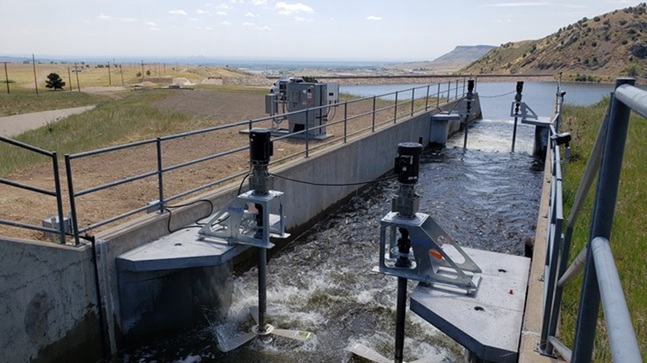
Hydrokinetic turbine technology is an emerging form of hydropower generation that harnesses the kinetic energy of flowing water—such as rivers, canals, and tidal streams—to produce electricity.
Unlike conventional hydropower plants, hydrokinetic systems:
Electricity is generated as the natural movement of water rotates turbine blades, converting kinetic energy into electrical energy.
|
Aspect |
Conventional Hydropower |
Hydrokinetic Technology |
|---|---|---|
|
Energy Source |
Potential energy (head) |
Kinetic energy (flow) |
|
Infrastructure |
Dams, weirs, barrages |
In-stream turbines |
|
Environmental Impact |
High |
Low |
|
Land Submergence |
Significant |
Negligible |
|
Ecosystem Disruption |
Often high |
Minimal |
This makes hydrokinetic technology particularly suitable for ecologically sensitive regions.
FAQsQ1. What is the main principle behind hydrokinetic turbines ? They generate electricity using the kinetic energy of flowing water without creating a water head. Q2. How are hydrokinetic turbines environmentally safer than dams ? They do not obstruct river flow, cause submergence, or significantly disrupt aquatic ecosystems. Q3. Where can hydrokinetic turbines be installed ? In rivers, canals, tidal streams, and other flowing water bodies. Q4. Why is Tripura suitable for hydrokinetic power projects ? Due to its river systems, ecological sensitivity, and need for decentralised renewable energy. Q5. Can hydrokinetic turbines replace conventional hydropower ? No, but they can complement it, especially in ecologically fragile or remote areas. |



Our support team will be happy to assist you!

 Contact Us
  New Batch : 9555124124/ 7428085757
  Tech Support : 9555124124/ 7428085757