New
GS Foundation (P+M) - Delhi : 19th Jan. 2026, 11:30 AM Spring Sale UPTO 75% + 10% Off, Valid Till : 6th Feb., 2026 GS Foundation (P+M) - Prayagraj : 09th Jan. 2026, 11:00 AM Spring Sale UPTO 75% + 10% Off, Valid Till : 6th Feb., 2026 GS Foundation (P+M) - Delhi : 19th Jan. 2026, 11:30 AM GS Foundation (P+M) - Prayagraj : 09th Jan. 2026, 11:00 AM

Current Affairs for 06 February 2026

What is Myoglobin, Functions, Structure, Medical importance and Latest News

Context

Researchers have recently developed a sophisticated, flexible, and cost-effective biosensor capable of detecting myoglobin levels in the blood. Since myoglobin is associated with early signs of heart attack, this innovation could revolutionize medical diagnostics.

Myoglobin: Structure and Nature

  • Myoglobin is a tiny but extremely important protein that makes up approximately 2% of muscle tissue.
  • It is found primarily in striated muscles, including skeletal muscles and cardiac muscles.
  • At the cellular level, it is present in the cytoplasm of cardiac muscles and the sarcoplasm of skeletal muscles.
  • It is part of the globin superfamily. Myoglobin is composed of a single polypeptide chain with only one binding site for oxygen.
  • Myoglobin is often considered similar to hemoglobin, but hemoglobin has four polypeptide chains and four oxygen-binding sites.
  • Its structure includes amino acids, iron, and other molecules that work together to hold oxygen.

Main Functions of Myoglobin

Myoglobin is not just a protein in the body, but also serves as a multifaceted protective shield:

  • Oxygen Transport and Storage:
    • It collects oxygen from the bloodstream and delivers it to the muscles.
    • When muscles need energy, it releases the stored oxygen for movement.
    • It also acts as a 'buffer' to maintain balanced oxygen levels within cells.
  • Indicator of Cellular Damage: Normally, myoglobin remains within the muscles. If it is detected in plasma (blood) or urine, it is a clear and sensitive indicator of serious cellular damage, especially in the context of cardiovascular diseases.
  • Enzymatic role: It helps break down active nitric oxide into nitrate. The removal of nitric oxide increases the efficiency of mitochondrial respiration (cellular energy production).
  • Oxidative protection: It interacts with fatty acids to neutralize reactive oxygen species, thereby preventing tissue damage.

India’s Power Distribution Utilities: Financial Revival Amid Structural Fragilities

Prelims: (Economy + CA)
Mains: (GS 3 – Infrastructure, Energy, Public Sector Reforms)

Why in News ?

India’s electricity distribution companies (DISCOMs) have reported a notable financial and operational turnaround after years of persistent losses. While key indicators show improvement, concerns remain over the long-term sustainability of these gains, particularly due to continued dependence on State support and unresolved structural challenges.
Background and Context: Understanding DISCOMs in India

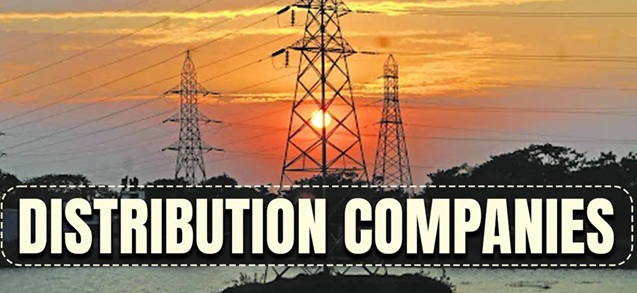
  • Power Distribution Companies (DISCOMs) handle the final stage of electricity delivery, supplying power to households, agriculture, industries, and commercial consumers.
  • India currently has 72 DISCOMs, comprising:
    • State-owned utilities,
    • Private distribution companies,
    • State electricity departments.
  • Historically, DISCOMs have been the weakest link in India’s power sector due to:
    • Political interference,
    • Inefficient operations,
    • Poor billing and collection practices,
    • Non-cost-reflective tariffs.
  • Two core indicators measure their financial health:
    • Aggregate Technical and Commercial (AT&C) losses: Reflect theft, technical losses, billing inefficiencies, and collection gaps.
    • ACS-ARR gap: The difference between the Average Cost of Supply (ACS) and Average Revenue Realised (ARR).
    • Persistent high AT&C losses and a wide ACS-ARR gap forced repeated State bailouts, undermining fiscal discipline and sectoral efficiency.

Legacy of Financial Stress

  • The roots of DISCOM losses lie in the functioning of State Electricity Boards under the Electricity (Supply) Act, 1948, which formally required modest profits but was undermined by:
    • Subsidised tariffs,
    • Delayed State subsidy payments,
    • Weak accountability mechanisms.
  • Between 2020–21 and 2024–25:
    • Accumulated losses increased from ₹5.5 lakh crore to ₹6.47 lakh crore.
    • Outstanding debt touched ₹7.26 lakh crore.
  • Key stress factors included:
    • Non-payment of dues by consumers,
    • Rising power procurement costs,
    • Mounting legacy arrears to power generators and transmission utilities.
  • These financial pressures disrupted the entire electricity value chain, affecting generation investment and supply reliability.

Signs of a Performance Turnaround

Recent years have witnessed a measurable improvement in DISCOM performance:

  • Financial Results:
    • DISCOMs collectively recorded a Profit After Tax of ₹2,701 crore in 2024–25, compared to losses exceeding ₹67,000 crore in 2013–14.
  • Operational Indicators:
    • AT&C losses declined from 22.62% to 15.04%.
    • The ACS-ARR gap narrowed to 0.06 paise per unit, indicating near cost recovery.
  • Underlying Drivers:
    • Improved billing efficiency and digital metering,
    • Better collection mechanisms,
    • Stronger enforcement of financial discipline.
  • These improvements suggest a shift from crisis management to operational stabilisation in India’s power distribution segment.

Role of Policy Reforms

The turnaround has been enabled by a series of targeted reforms:

1. Revamped Distribution Sector Scheme (RDSS)

  • Links central financial assistance to:
    • Feeder metering,
    • Loss reduction,
    • Infrastructure modernisation,
    • Performance-based accountability.

2. Electricity Rules and Late Payment Surcharge Rules

  • Allowed DISCOMs to:
    • Clear legacy dues in structured instalments,
    • Prevent compounding of unpaid liabilities,
    • Restore confidence among power generators and suppliers.

3. Debt Discipline and Financial Restructuring

  • Since 2022, nearly ₹1.4 lakh crore of legacy dues have been addressed through:
    • Instalment-based repayment mechanisms,
    • State-backed guarantees,
    • Improved cash flow management.

Together, these reforms have stabilised the electricity supply chain and reduced financial contagion risks across the sector.

Dependence on State Support: A Fragile Turnaround

  • Despite reported profits, many DISCOMs remain heavily reliant on State governments:
    • Tariff subsidies,
    • Loss takeovers,
    • Direct fiscal transfers.
  • For example:
    • DISCOMs in States like Tamil Nadu and Rajasthan reported profits largely due to fiscal support rather than operational surplus.
  • This raises concerns:
    • Financial improvement may be accounting-driven rather than efficiency-driven.
    • Future liabilities, such as employee wage revisions or pension commitments, could reverse gains.

Structural Challenges Ahead

Several deep-rooted issues continue to threaten long-term sustainability:

1. Unmetered Agricultural Supply

  • Absence of accurate consumption data:
    • Distorts cost recovery,
    • Encourages overuse of electricity,
    • Weakens energy efficiency incentives.

2. Free or Highly Subsidised Power

  • Universal free power benefits wealthier households disproportionately.
  • It weakens price signals and erodes DISCOM revenues.

3. Operational Inefficiencies

  • Not all States have:
    • Adopted feeder segregation,
    • Implemented smart meters at scale,
    • Modernised billing and grievance redress systems.

Without addressing these, financial improvements risk being temporary.

Significance of the Turnaround

1. Fiscal Stability of States

  • Healthier DISCOMs reduce the burden of periodic bailouts on State finances.

2. Power Sector Viability

  • Financially stable DISCOMs:
    • Ensure timely payments to generators,
    • Improve investor confidence,
    • Enable expansion of renewable energy integration.

3. Consumer Welfare

  • Improved service quality, reliability, and transparency benefit end-users.
  • Reduced losses can eventually translate into more rational tariffs.

4. Energy Transition Goals

  • DISCOM financial health is critical for:
    • Integrating renewable energy,
    • Supporting electric mobility,
    • Meeting India’s climate and net-zero commitments.

Way Forward

Long-term sustainability demands deeper structural reforms:

  • Expanding feeder segregation and smart metering.
  • Promoting solar pumps and rationalising agricultural power subsidies.
  • Ensuring cost-reflective tariffs with targeted subsidies for vulnerable groups.
  • Strengthening corporate governance, professional management, and accountability frameworks.

Political commitment, institutional capacity, and consumer awareness must align to transform DISCOMs into financially viable, consumer-centric utilities.

FAQs

1. What are DISCOMs in India ?

DISCOMs are electricity distribution companies responsible for delivering power to consumers at the last mile.

2. What indicators measure the financial health of DISCOMs ?

The key indicators are Aggregate Technical and Commercial (AT&C) losses and the ACS-ARR gap.

3. What major reforms have supported the recent turnaround ?

The Revamped Distribution Sector Scheme (RDSS), Late Payment Surcharge Rules, and structured debt repayment mechanisms have played a major role.

4. Why is the turnaround considered fragile ?

Many DISCOMs rely heavily on State subsidies and fiscal support rather than operational efficiency, raising sustainability concerns.

5. Why are financially healthy DISCOMs important for India ?

They are essential for fiscal stability, reliable power supply, renewable energy integration, and achieving India’s long-term energy and climate goals.

Collapse of the US–Russia Nuclear Control Regime: Entering a New Age of Strategic Competition

Prelims: (International Relations + CA)
Mains: (GS 2 – Global Politics, Arms Control; GS 3 – Internal Security, Global Peace and Stability)

Why in News ?

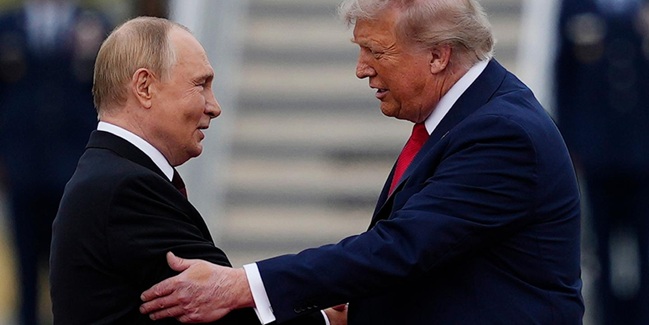
The expiry of the New START Treaty marks the end of nearly five decades of legally binding nuclear arms control between the United States and Russia. With no successor agreement in place, global concerns have intensified over strategic instability, reduced transparency, and the risk of a renewed nuclear arms race among major powers.
Background and Context

  • Since the Cold War, the United States and Russia (formerly the Soviet Union) have possessed the world’s largest nuclear arsenals, accounting for nearly 90% of global nuclear weapons.
  • To prevent catastrophic escalation and accidental war, both sides gradually developed a dense network of arms control treaties governing:
    • Nuclear warheads,
    • Delivery systems,
    • Missile defence,
    • Verification and inspections.
  • These agreements served three critical purposes:
    • Capping arsenals,
    • Reducing stockpiles,
    • Building trust and predictability.
    • The expiry of New START in February 2026 ends the last surviving pillar of this architecture, creating a legal and strategic vacuum in nuclear governance.

Cold War Arms Control Efforts

Strategic Context of the 1960s

  • By the late 1960s, the Soviet Union was rapidly expanding its intercontinental ballistic missile (ICBM) arsenal to match US capabilities.
  • In January 1967, US President Lyndon B. Johnson warned that Moscow was developing an anti-ballistic missile (ABM) system around its capital, raising fears that one side might gain a destabilising first-strike advantage.

SALT Talks and Early Treaties

  • To restrain this competition, Washington and Moscow launched the Strategic Arms Limitation Talks (SALT) in November 1969.
  • These talks produced two landmark agreements:
    • Anti-Ballistic Missile (ABM) Treaty: Limited missile defence systems to 200 (later 100) per side, preserving mutual vulnerability and strategic stability.
    • Interim SALT Accord: Froze the expansion of ICBM capabilities.

SALT II and Its Collapse

  • Negotiations for SALT II began in 1972 and culminated in a 1979 agreement limiting strategic nuclear delivery vehicles (ICBMs, SLBMs, bombers) to 2,250 each.
  • However, after the Soviet invasion of Afghanistan in December 1979, US President Jimmy Carter withdrew the treaty from Senate ratification, and it never entered into force.

Unravelling of Controls

  • In 2002, the United States withdrew unilaterally from the ABM Treaty, arguing that it restricted missile defences against terrorist and rogue-state threats.
  • This withdrawal marked the beginning of the erosion of Cold War–era arms control structures.

Post–Cold War Nuclear Arms Reduction

START I: Deep Cuts with Verification

  • After the Cold War, the US and Russia signed the Strategic Arms Reduction Treaty (START I) in 1991.
  • It capped:
    • Strategic delivery systems at 1,600,
    • Nuclear warheads at 6,000.
  • Importantly, it mandated:
    • Physical destruction of excess missiles and bombers,
    • Intrusive verification through on-site inspections, data exchanges, and satellite monitoring.
    • Due to the Soviet Union’s collapse and denuclearisation of former Soviet states, implementation took longer and was completed only in December 2001.
    • START I expired in 2009.

START II: An Unfulfilled Follow-On

  • Signed in January 1993, START II aimed to reduce warheads further to 3,000–3,500.
  • However, delays in ratification and political tensions prevented its entry into force.
  • After the US withdrawal from the ABM Treaty in 2002, Russia withdrew from START II, and prospects for a START III collapsed.

SORT: A Temporary Bridge

  • In May 2002, the two countries adopted the Strategic Offensive Reductions Treaty (SORT).
  • It committed both sides to reduce operationally deployed warheads to 1,700–2,200.
  • SORT came into force in 2003 and was conceived as a temporary arrangement, later superseded by New START in 2011.

A New Phase in US–Russia Arms Control

New START: Renewal of Strategic Restraint

  • In 2010, US President Barack Obama and Russian President Dmitry Medvedev signed the New Strategic Arms Reduction Treaty (New START).
  • It entered into force on February 5, 2011, marking a renewed commitment to arms control.

Key Limits and Reductions

  • New START capped:
    • Strategic nuclear warheads at 1,550,
    • Strategic delivery vehicles at 800 (deployed and non-deployed combined).
  • This required:
    • Around a 30% reduction in warheads,
    • Nearly a 50% reduction in delivery vehicles compared to SORT.

Verification and Inspections

  • The treaty established a robust verification regime:
    • Up to 18 on-site inspections per year,
    • Regular data exchanges,
    • Notifications of movements and deployments.

Extension and Expiry

  • The treaty allowed a one-time extension.
  • In 2021, the US and Russia extended New START by five years, setting its expiry at February 5, 2026.

After New START: What Lies Ahead

1. End of Legal Limits on Nuclear Arsenals

  • With the treaty’s expiry, binding caps on US and Russian nuclear warheads cease to exist.
  • As of 2025:
    • The US possesses approximately 5,277 warheads,
    • Russia holds about 5,449 warheads.
  • Without constraints, both sides could expand or modernise their arsenals freely.

2. Rising Risks and Loss of Transparency

  • The absence of inspections and data exchanges reduces mutual visibility into nuclear forces.
  • This heightens the risk of:
    • Miscalculation,
    • Accidental escalation,
    • Arms racing driven by worst-case assumptions.

3. Erosion of Nuclear Deterrence Stability

  • Traditional nuclear deterrence relied on:
    • Mutual vulnerability,
    • Predictability,
    • Structured competition.
  • The breakdown of arms control norms signals a shift toward open-ended strategic rivalry among major powers, including the US, Russia, and China.

4. Global Implications and Non-Proliferation Concerns

  • The lapse could weaken global non-proliferation efforts, especially ahead of the 2026 Nuclear Non-Proliferation Treaty (NPT) Review Conference.
  • Other nuclear-armed states may feel less constrained, undermining decades of restraint and norm-building.

Significance of the Treaty’s Expiry

  1. Strategic Instability
    • The absence of arms control increases uncertainty and the likelihood of arms racing, particularly during geopolitical crises.
  2. Collapse of Trust-Building Mechanisms
    • Verification and inspections were crucial confidence-building tools. Their loss erodes transparency and mutual reassurance.
  3. Implications for Global Security Architecture
    • The expiry marks a symbolic end to the post-Cold War arms control era, challenging the existing global security framework.
  4. Pressure on Non-Proliferation Regimes
    • The erosion of restraint among major nuclear powers weakens the moral and political authority of non-proliferation norms.
  5. Need for New Multilateral Arms Control Frameworks
    • The future of arms control may require:
    • Multilateral arrangements,
    • Inclusion of emerging nuclear powers,
    • New rules addressing missile defence, hypersonic weapons, cyber threats, and space-based systems.

FAQs

1. What was the New START Treaty ?

New START was a bilateral arms control agreement between the US and Russia that capped strategic nuclear warheads and delivery systems while establishing verification mechanisms.

2. Why is the expiry of New START significant ?

It ends the last legally binding nuclear limits between the two largest nuclear powers, increasing risks of arms racing, miscalculation, and strategic instability.

3. How many nuclear warheads do the US and Russia currently possess ?

As of 2025, the US holds about 5,277 warheads and Russia about 5,449 warheads.

4. What happens after New START expires ?

There will be no binding limits, inspections, or data exchanges on US and Russian nuclear arsenals unless a new agreement is negotiated.

5. How does this affect global non-proliferation efforts ?

The lapse weakens the credibility of nuclear restraint among major powers and could undermine global non-proliferation norms, especially ahead of key NPT review processes.

Bharat Taxi: India’s Cooperative Ride-Hailing Experiment Challenging Platform Dominance

Prelims: (Economy + CA)
Mains: (GS 2 – Governance, Cooperative Movement; GS 3 – Infrastructure, Urban Transport, Gig Economy)

Why in News ?

Union Cooperation Minister Amit Shah has launched Bharat Taxi, India’s first cooperative-based ride-hailing platform, positioning it as a people-centric alternative to private cab aggregators such as Uber, Ola, and Rapido. The initiative aims to strengthen the cooperative movement, enhance driver autonomy, and offer affordable urban mobility through a driver-owned platform model.
Background and Context

  • India’s urban transport landscape has been transformed by digital ride-hailing platforms over the past decade.
  • While aggregators have improved convenience and connectivity, they have also drawn criticism for:
    • High commission rates,
    • Opaque pricing mechanisms (surge pricing),
    • Declining driver earnings,
    • Limited driver autonomy.
  • Simultaneously, the government has sought to revive and modernise the cooperative movement, especially beyond traditional sectors like dairy, agriculture and banking.
  • The creation of a separate Ministry of Cooperation in 2021 signalled a renewed focus on cooperative-led economic models.
  • Bharat Taxi emerges at the intersection of these two trends:
    • Reforming the gig economy,
    • Revitalising cooperatives in the digital age.

What is Bharat Taxi ?

  • A cooperative-based ride-hailing platform: Bharat Taxi is a digital cab-hailing service built on a cooperative ownership model rather than a private aggregator structure.
  • Drivers at the core: Drivers—called Sarathis—are placed at the centre of ownership, operations and value creation, giving them greater control over earnings and platform governance.
  • Reducing dependence on private aggregators: The platform aims to free drivers from commission-heavy, algorithm-driven systems that often limit income and bargaining power.
  • Not a direct government-run app: Although government-backed, Bharat Taxi is operated by Sahakar Taxi Cooperative Limited, an independent cooperative entity.
  • Cooperative expertise behind the project: The initiative draws inspiration from successful cooperative models such as Amul, applying similar principles to the digital mobility sector.

Bharat Taxi’s Cooperative Business Model

1. Driver-Owned Structure

  • Every driver (Sarathi) is a member of the cooperative.
  • Each holds five shares, giving them:
    • Ownership rights,
    • Voting power,
  • A say in governance and operational decisions.

2. Zero-Commission Pricing

  • Unlike private aggregators, Bharat Taxi:
    • Does not deduct a commission per ride.
    • Charges a fixed daily platform fee:
      • ₹30 per day for cabs,
      • ₹18 per day for auto-rickshaws.
  • This directly addresses driver concerns over shrinking incomes under commission-based models.

3. Lower Fares for Passengers

  • Without per-ride commissions, savings are passed on to riders.
  • Officials estimate fares to be up to 30% cheaper than platforms like Uber and Ola.

4. Large and Growing Driver Base

  • Bharat Taxi reports:
    • Over 4 lakh registered drivers.
  • This signals strong early interest among drivers seeking fairer working conditions.

5. Safety and Verification Measures

  • In-built safety features and a dedicated helpline.
  • Driver verification processes.
  • In partnership with Delhi Police, 35 special booths have been set up to quickly address passenger complaints and safety concerns.

6. Pricing Philosophy

  • The platform seeks to avoid opaque surge pricing.
  • Its stated goal is not to be the cheapest, but the most fair, transparent, and predictable.

Pilot Cities, Expansion and Early Experience

  • Pilot Phase:
    • Launched initially in Delhi-NCR and Rajkot in late 2025.
  • Expansion:
    • Rapid growth in cities such as Ahmedabad.
  • Current Scale:
    • Around 4 lakh drivers registered.
    • Over 10,000 rides completed daily.
  • Target:
    • Nationwide operations by 2029, with the ambition to become India’s largest ride-hailing platform.

Early Adopters: Hope Mixed with Caution

  • Drivers:
    • Welcome the zero-commission model.
    • Initially report lower earnings due to fewer bookings.
    • Remain optimistic that demand will grow with awareness.
  • Passengers:
    • Some report teething issues such as:
    • Staff unfamiliarity with software at booths,
    • Longer queues,
    • Higher fares at some locations compared to earlier prepaid services.
  • Official Response:
    • Authorities acknowledge early challenges.
    • Pricing algorithms and operational systems are expected to improve as more data is gathered.

Significance of Bharat Taxi

1. Strengthening the Cooperative Movement

  • Demonstrates that cooperative models can be adapted to:
    • Digital platforms,
    • Urban services,
    • The gig economy.
  • Extends cooperative principles beyond agriculture and dairy into modern service sectors.

2. Empowering Gig Workers

  • Shifts drivers from being:
    • Platform-dependent contractors
    • To co-owners and stakeholders.
  • Enhances income security, autonomy, and dignity of labour.

3. Promoting Fair Competition

  • Introduces a people-centric alternative in a market dominated by a few private aggregators.
  • Could exert competitive pressure to:
    • Reduce commissions,
    • Improve transparency,
    • Enhance worker welfare across the sector.

4. Advancing Affordable Urban Mobility

  • Lower fares and transparent pricing benefit:
    • Urban commuters,
    • Students,
    • Low-income households.
  • Supports inclusive and accessible transport systems.

5. Aligning with Broader Governance Goals

  • Reinforces the government’s vision of:
    • “Sahakar se Samriddhi” (Prosperity through Cooperation),
    • Inclusive growth,
    • Ethical platform capitalism.

The Road Ahead

  • Bharat Taxi’s early phase reflects:
    • Strong government backing,
    • Rapid driver onboarding,
    • High public expectations.
  • Its long-term success will depend on:
    • Scaling ride volumes,
    • Refining pricing algorithms,
    • Ensuring consistent service quality,
    • Retaining driver trust while attracting passengers.
  • Balancing commercial viability with cooperative values will be the defining challenge.

FAQs

1. What is Bharat Taxi ?

Bharat Taxi is India’s first cooperative-based ride-hailing platform where drivers are co-owners and stakeholders in the enterprise.

2. Who operates Bharat Taxi ?

It is operated by Sahakar Taxi Cooperative Limited, an independent cooperative entity, and not directly by the Government of India.

3. How is Bharat Taxi different from Uber and Ola ?

Unlike private aggregators, Bharat Taxi charges no per-ride commission. Drivers pay a fixed daily fee and retain full earnings, making them co-owners rather than contractors.

4. Where has Bharat Taxi been launched ?

It began in Delhi-NCR and Rajkot and has expanded to cities like Ahmedabad, with a goal of nationwide coverage by 2029.

5. Why is Bharat Taxi significant for India ?

It strengthens the cooperative movement, empowers gig workers, promotes fair competition, and advances affordable, inclusive urban transport.

SAMRIDH Programme: Accelerating India’s Tech Startups Through Structured Innovation Support

Prelims: (Polity & Governance + CA)
Mains: (GS 3 – Economic Development, Innovation, Digital India)

Why in News ?

The Union Minister of State for Electronics and Information Technology recently informed the Lok Sabha about the SAMRIDH Programme, highlighting its role in strengthening India’s startup ecosystem by supporting technology-based startups through accelerators and innovation networks.
Background and Context

  • Over the past decade, India has emerged as one of the world’s largest startup ecosystems, driven by:
    • Digital transformation,
    • Rapid internet penetration,
    • Government initiatives such as Startup India, Digital India, and Make in India.
  • Despite high entrepreneurial energy, many startups face challenges in:
    • Accessing mentorship and networks,
    • Securing early-stage funding,
    • Scaling products for domestic and global markets.
  • Accelerators play a crucial role in bridging this gap by providing:
    • Structured mentoring,
    • Industry exposure,
    • Investor access.
  • The SAMRIDH Programme was launched to strengthen this accelerator ecosystem and ensure that promising technology startups receive targeted, outcome-oriented support.

What is the SAMRIDH Programme ?

  • Full form: Startup Accelerator of MeitY for Product Innovation, Development, and Growth (SAMRIDH).
  • Nature: A flagship programme of the Ministry of Electronics and Information Technology (MeitY).
  • Purpose: To support existing and upcoming accelerators in selecting, nurturing, and scaling potential IT-based startups.
  • Focus: Strengthening India’s deep-tech and digital innovation ecosystem by enabling startups to move from idea and prototype stages to market-ready products and global scale.

Objectives and Key Features

1. Supporting Startup Acceleration

  • SAMRIDH aims to:
    • Enable accelerators to identify high-potential startups,
    • Provide structured programmes to help them scale.

2. Customer, Investor, and Market Connect

  • The programme facilitates:
    • Customer connect: Helping startups acquire early users and enterprise clients.
    • Investor connect: Linking startups with angel investors, venture capital funds, and institutional financiers.
    • International market access: Supporting startups in exploring and entering global markets.

3. Financial Support

  • SAMRIDH provides financial assistance to selected accelerators, which in turn:
    • Invest in startups,
    • Offer seed funding and operational support,
    • Enable pilot deployments and product validation.

4. Focus on IT-Based and Emerging Technologies

  • The programme prioritises startups working in areas such as:
    • Artificial Intelligence,
    • Blockchain,
    • Cybersecurity,
    • Internet of Things (IoT),
    • Cloud computing,
    • Semiconductor design and electronics systems.

5. Outcome-Oriented Approach

  • Unlike generic support schemes, SAMRIDH:
    • Links funding to performance,
    • Emphasises tangible outcomes such as revenue growth, job creation, and successful fundraising.

Implementation Framework

  • Implementing Agencies:
    • MeitY Start-up Hub (MSH),
    • Digital India Corporation (DIC). 
  • Operational Model:
    • MeitY selects and empanels accelerators through a competitive process.
    • These accelerators then run cohort-based programmes for startups.
  • Performance is monitored based on:
    • Number of startups accelerated,
    • Funds raised,
    • Market traction,
    • Technology commercialisation.

Significance of the SAMRIDH Programme

1. Strengthening India’s Innovation Ecosystem

  • Enhances the quality and effectiveness of accelerators.
  • Helps move startups beyond ideation to scalable, market-ready solutions.

2. Boosting Deep-Tech and Digital Capabilities

  • Supports startups in advanced technology domains crucial for:
  • Digital sovereignty,
  • Cyber resilience,
  • Future industrial competitiveness.

3. Promoting Employment and Economic Growth

  • Scaled startups contribute to:
    • Job creation,
    • Regional economic development,
    • Knowledge-intensive industries.

4. Enhancing Global Competitiveness

  • By enabling international market access, SAMRIDH helps Indian startups:
    • Compete globally,
    • Attract foreign investment,
    • Export digital products and services.

5. Advancing the Vision of Digital India and Atmanirbhar Bharat

  • Aligns with national goals of:
    • Self-reliance in technology,
    • Indigenous innovation,
    • Building a resilient digital economy.

FAQs

1. What does SAMRIDH stand for ?

SAMRIDH stands for Startup Accelerator of MeitY for Product Innovation, Development, and Growth.

2. Which ministry implements the SAMRIDH Programme ?

It is a flagship programme of the Ministry of Electronics and Information Technology (MeitY), implemented through MeitY Start-up Hub and Digital India Corporation.

3. Who benefits directly from SAMRIDH ?

Accelerators benefit directly through financial and institutional support, while startups benefit indirectly through acceleration, funding, and market access.

4. What kind of startups does SAMRIDH focus on ?

It primarily supports IT-based and deep-tech startups working in areas such as AI, blockchain, cybersecurity, IoT, and electronics systems.

5. Why is SAMRIDH significant for India’s startup ecosystem ?

It strengthens accelerators, improves startup survival and scale-up rates, enhances global competitiveness, and supports India’s digital and innovation goals.

Yuva Sahakar Scheme: Empowering Youth-Led Cooperatives Through Innovation and Financial Support

Prelims: (Polity & Governance + CA)
Mains: (GS 2 – Governance, Cooperative Movement; GS 3 – Economic Development, Employment Generation)

Why in News ?

The Ministry of Cooperation recently informed Parliament about the financial assistance released to cooperative societies and beneficiaries under the Yuva Sahakar Scheme during the period 2022–2025, highlighting the scheme’s role in promoting youth entrepreneurship in the cooperative sector.
Background and Context

  • India has one of the world’s largest cooperative movements, with over 8.5 lakh cooperative societies spanning agriculture, dairy, banking, housing, fisheries, and other sectors.
  • Traditionally, cooperatives have been dominated by older leadership structures, often limiting youth participation and innovation.
  • At the same time, India faces a demographic opportunity:
    • A young population,
    • Rising aspirations for entrepreneurship,
    • Need for job creation, especially in rural and semi-urban areas.
  • The creation of the Ministry of Cooperation in 2021 marked a renewed policy push to revitalise the cooperative sector through:
    • Professionalisation,
    • Digitalisation,
    • Inclusion of youth and women.
  • The Yuva Sahakar Scheme was introduced to align cooperative development with youth entrepreneurship and innovation.

What is the Yuva Sahakar Scheme ?

  • Full name: Yuva Sahakar Cooperative Enterprise Support and Innovation Scheme.
  • Nature: A national scheme aimed at encouraging newly formed cooperative societies with innovative business ideas.
  • Target group: Young entrepreneurs operating cooperative societies that have been functional for at least three months.
  • Core focus: Supporting youth-led cooperative enterprises to become financially viable, innovative, and sustainable.

Objectives and Key Features

1. Encouraging Youth Entrepreneurship in Cooperatives

  • The scheme aims to attract young people into the cooperative sector by:
    • Supporting new and innovative business models,
    • Reducing financial barriers to enterprise creation.

2. Long-Term Loan Facility with Interest Subvention

  • Loans provided under the scheme:
    • Are long-term, with a tenure of up to five years.
    • Carry an interest subvention of 2% on the applicable rate of interest on term loans.
  • This reduces borrowing costs and improves project viability.

3. Dedicated Fund with Liberal Provisions

  • The National Cooperative Development Corporation (NCDC) has created a dedicated fund for the scheme with flexible norms to:
    • Encourage wider participation,
    • Support innovative and risk-taking ventures.

4. Regional and Social Inclusiveness

  • Additional incentives are provided to:
    • Cooperatives in the North-Eastern region,
    • Those located in aspirational districts.
  • Exclusive benefits are extended to:
    • Women entrepreneurs,
    • Scheduled Caste (SC),
    • Scheduled Tribe (ST) candidates.

5. Focus on Innovation and Enterprise Sustainability

  • Priority is given to projects that:
    • Introduce new products, services, or processes,
    • Demonstrate long-term financial and operational sustainability.

Implementation Framework

  • Implementing Agency:
    • The scheme is implemented nationwide by the National Cooperative Development Corporation (NCDC).
  • Operational Mechanism:
    • Eligible cooperative societies submit project proposals to NCDC.
  • Proposals are appraised based on:
    • Financial viability,
    • Innovation content,
    • Employment potential,
    • Social and regional impact.
  • Approved cooperatives receive:
    • Term loans with interest subvention,
    • Ongoing monitoring and institutional support.

Significance of the Yuva Sahakar Scheme

1. Revitalising the Cooperative Movement

  • Infuses new energy, leadership, and innovation into a sector often viewed as traditional or stagnant.

2. Promoting Youth Employment and Entrepreneurship

  • Encourages young people to become:
    • Job creators rather than job seekers,
    • Leaders of community-based enterprises.

3. Advancing Inclusive Growth

  • Special incentives for:
    • Women,
    • SC/ST groups,
    • North-East and aspirational districts,

ensure equitable access to economic opportunities.

4. Supporting Rural and Semi-Urban Development

  • Strengthens grassroots economic activity, especially in:
    • Agriculture,
    • Allied sectors,
    • Rural services and manufacturing.

5. Aligning with National Development Priorities

  • Supports broader policy goals such as:
    • “Sahakar se Samriddhi” (Prosperity through Cooperation),
    • Atmanirbhar Bharat,
    • Sustainable and community-led economic growth.

FAQs

1. What is the Yuva Sahakar Scheme ?

It is a government scheme that supports newly formed, youth-led cooperative societies with innovative business ideas through long-term loans and interest subvention.

2. Who implements the Yuva Sahakar Scheme ?

The scheme is implemented across India by the National Cooperative Development Corporation (NCDC).

3. What financial support is provided under the scheme ?

Eligible cooperatives receive long-term loans (up to 5 years) with a 2% interest subvention on the applicable rate.

4. Which groups receive special incentives under the scheme ?

Additional benefits are provided to cooperatives in the North-East, aspirational districts, and those led by women, SC, and ST entrepreneurs.

5. Why is the Yuva Sahakar Scheme significant ?

It revitalises the cooperative sector, promotes youth entrepreneurship, advances inclusive growth, and supports sustainable, community-based development.

« »
  • SUN
  • MON
  • TUE
  • WED
  • THU
  • FRI
  • SAT
Have any Query?

Our support team will be happy to assist you!

OR
X