
- UPSC Exam
- State PCS
- One Day Exam
- Current Affairs
- PT Quiz
- Downlaods
- About Coaching
- Blog
- Videos

| Prelims: (Geography + International Relations + CA) Mains: (GS 2 – Bilateral Relations, GS 3 – Infrastructure/Energy) |
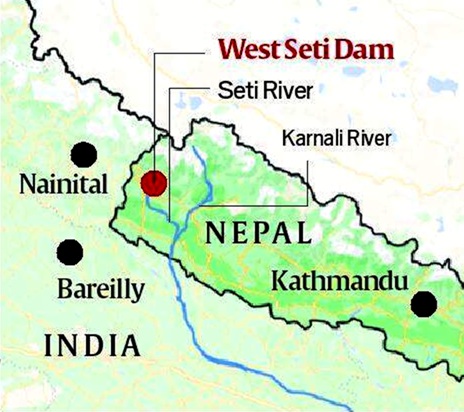
Nepal has extended the survey license deadline for the West Seti Hydropower Project being developed by India’s NHPC. It has also approved work for a direct agreement for another project by SJVN, aiming to facilitate Indian power companies in executing hydropower projects in the Himalayan nation.

|
FAQs Q.1. Is West Seti a run-of-river project? No. It is a storage hydropower project with a large reservoir. Q.2. Which river hosts this project? The Seti River, a tributary of the Karnali River in Nepal. Q.3. Who is developing the project? NHPC Ltd. of India, through a Public-Private Partnership model. Q.4. How much free electricity does Nepal receive? 21.9% of the generated power. Q.5. Which UPSC subjects can ask questions on this topic? Geography, International Relations, Infrastructure, and Environment. |
| Prelims: (International Relations + CA) Mains: (GS 2 – International Relations, GS 3 – Internal Security) |
The 7th National Security Adviser (NSA)–level meeting of the Colombo Security Conclave (CSC) was recently held in New Delhi, with the participation of NSAs and Deputy NSAs from member states. During the meeting, Seychelles was formally admitted as the sixth full member of the CSC.

The Conclave focuses on five security pillars:
|
FAQs 1. Is CSC a military alliance? No. CSC is a security cooperation framework, not a military alliance. 2. Why is Seychelles’ membership important? It expands CSC’s presence across the IOR and strengthens regional maritime security. 3. Is CSC related to BIMSTEC or IORA? No. CSC is an independent grouping focused solely on security cooperation. 4. What role does India play? India is the founding and leading member, hosting exercises, training, and NSA meetings. 5. Which UPSC subjects cover CSC-related questions? International Relations, Maritime Security, Internal Security, India’s Neighborhood Policy, Current Affairs. |
| (Prelims: Current Affairs) (Mains, General Studies Paper 2: Appointment to Various Constitutional Posts and Powers, Functions, and Responsibilities of Various Constitutional Bodies) |
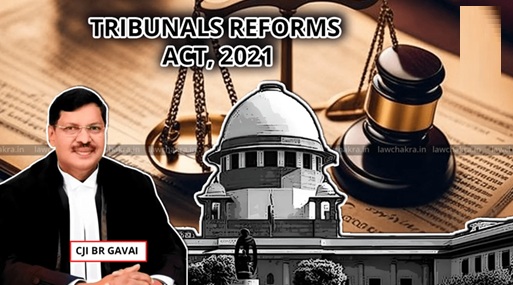
On November 19, 2025, the Supreme Court declared several key sections of the Tribunal Reforms Act, 2021, unconstitutional. The Court stated that the Act gives the Central Government excessive control over the appointment, functioning, and service conditions of tribunals, which is against the independence of the judiciary. The Court directed the Central Government to establish the National Tribunals Commission (NTC) within four months.
| (Preliminary Examination: Current Events) (Mains Examination, General Studies Paper 3: The Role of Anti-State Elements Pose a Challenge to Internal Security) |
The November 10 car bombing near Delhi's Red Fort clearly demonstrates that terrorists are now dangerously active not only on the ground but also in the digital world. Using encrypted apps, private servers, and secret online methods, terrorists are evading surveillance by agencies.

| Prelims: (International Relations + CA) Mains: (GS 2 – International Relations; GS 3 – Security) |
Former US President Donald Trump is reportedly considering a 28-point peace plan to end the Russia–Ukraine war. The draft, seen by Axios, AFP, and AP, proposes territorial concessions to Russia, Ukraine’s exclusion from NATO, and Russia’s return to the G8.
Ukrainian President Volodymyr Zelenskyy said he would discuss the plan with Trump, emphasizing that any deal must ensure a “dignified peace” respecting Ukraine’s sovereignty. Several Ukrainian officials, however, denounced the proposal as “absurd” and a “capitulation.”
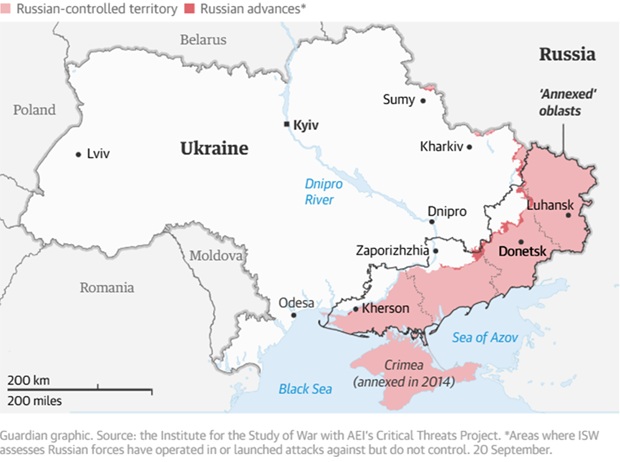
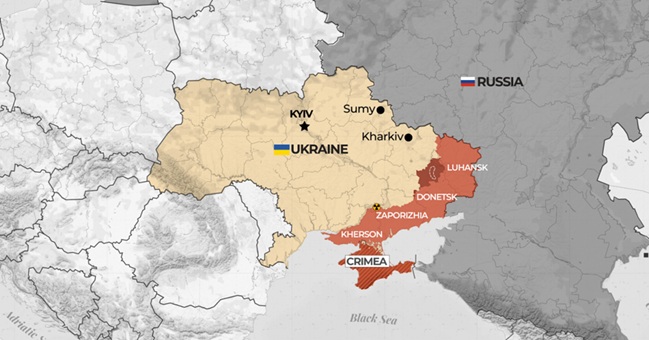
a. Recognition of Russian Control
b. Demilitarized Zones
c. Frozen Conflict Lines
d. Zaporizhzhia Nuclear Plant
a. Limits on Ukraine’s Military
b. NATO Conditions
This aligns with longstanding Russian demands and contradicts Kyiv’s stated security goals.
c. Security Guarantees
a. Russia’s Reintegration
b. Conditional Sanctions
c. Frozen Assets and Reconstruction
d. Domestic Reforms and Elections
1. Ukraine
2. Europe
3. Russia
For Ukraine
For Russia
For Europe
For Global Order
|
FAQs 1. Does the plan grant Russia significant territorial gains? 2. Would Ukraine join NATO under this plan? 3. Who drafted the plan? 4. What happens if Russia attacks again? 5. Does Europe support the plan? 6. How does Ukraine view the plan? |
| Prelims: (Governance, Polity, Social Justice + CA) Mains: (GS 2 – Government Policies & Interventions, GS 3 – Internal Security, Social Issues) |
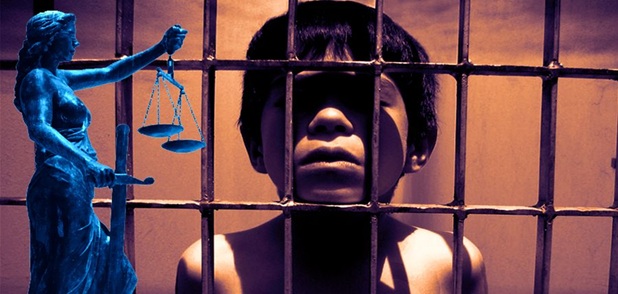
A first-of-its-kind study by the India Justice Report (IJR) reveals that over 55% of cases before India’s Juvenile Justice Boards (JJBs) were pending as of October 31, 2023, exposing deep gaps in staffing, infrastructure, data systems, and inter-agency coordination.
The findings are based on 250+ RTI replies from 21 States, showing that JJBs have disposed of less than half of the 1,00,904 cases filed before them.
1. High Pendency & Workload
2. Staffing & Infrastructure Gaps
3. Poor Data Systems & Transparency
4. High Number of Juveniles Apprehended
1. Weak Inter-Agency Coordination
The four nodal agencies often operate in silos:
500+ RTI applications across 28 States & 2 UTs show fragmented, inconsistent data.
2. Inadequate Legal Support
3. Vacancies in Child Care Institutions
Experts recommend:
These reforms are vital for ensuring fair, timely, and child-friendly justice for children in conflict with the law.
|
FAQs 1. What is the main concern with JJBs today? High pendency (55%) and significant staffing & infrastructure gaps. 2. Why is data transparency an issue? No central database exists, and many RTIs received incomplete or no responses. 3. Which age group among juveniles is most affected? Adolescents aged 16–18 years account for over 75% of apprehensions. 4. Why are legal aid clinics important for JJBs? They ensure free and competent defence for children, a core principle of the JJ Act. 5. What structural reform is considered critical? Establishing a National Juvenile Justice Data Grid to monitor performance uniformly across states. |
| Prelims: (Polity, History + CA) Mains: (GS 1 – Indian Society, GS 2 – Governance) |
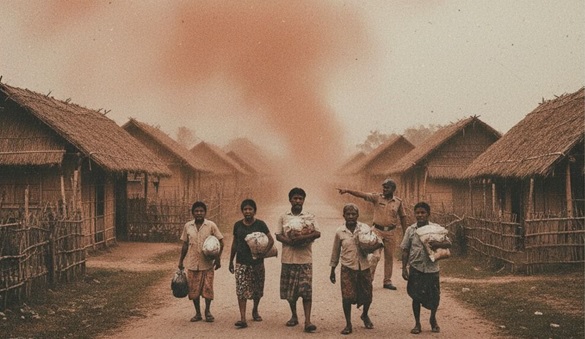
The Act authorises the Central Government to direct any person to leave Assam or India if they:
Although enacted with urgency, the Act saw very limited implementation, mainly due to the volatile conditions of early 1950.
Result: Historical records indicate that only a few hundred people were affected before the Act’s use was completely suspended.
FAQs1. What triggered Assam’s use of the Act in 2025? Assam acted after five individuals were declared foreigners by a tribunal. Sonitpur authorities ordered them to leave India within 24 hours, marking the Act’s first active use in decades. 2. What powers does the Act give authorities? It allows the Centre or authorised officers to expel individuals whose presence is deemed harmful to public interest or to Scheduled Tribes in Assam. 3. Why was the Act enacted in 1950? To manage post-Partition migration from East Pakistan and give Assam a legal tool to remove “undesirable immigrants.” Refugees escaping civil disturbances were excluded. 4. Why was implementation stopped soon after enactment? Communal tensions, mass displacement, and diplomatic concerns under the Nehru–Liaquat Pact led PM Nehru to suspend all expulsion actions for the sake of minority safety. 5. How widely was the Act used earlier? Historical evidence shows the Act affected only a few hundred individuals before being halted in 1950—making its 2025 revival unprecedented. |
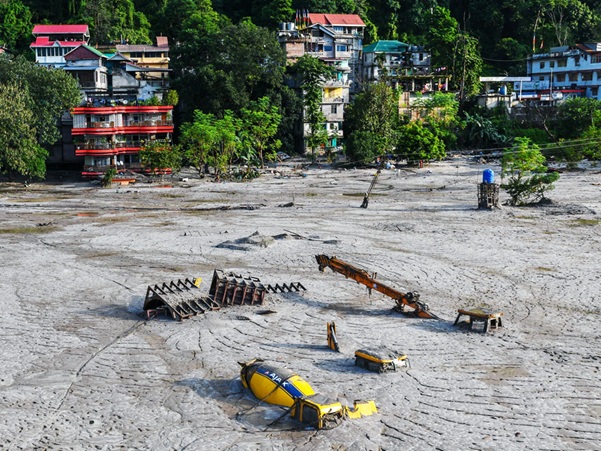
A Glacial Lake Outburst Flood (GLOF) occurs when a natural dam—
suddenly fails or is overtopped, releasing large volumes of water from a glacial lake at high speed. This sudden, destructive flood can cause significant damage downstream.
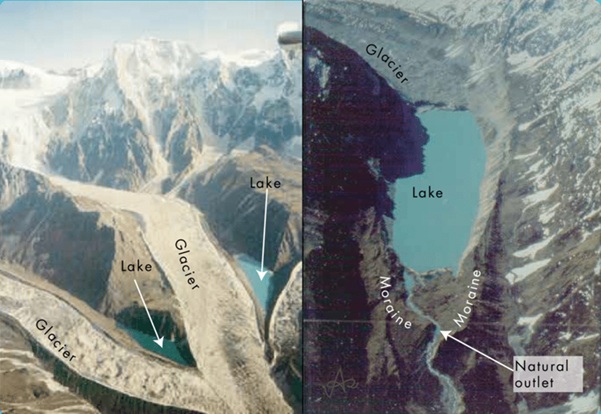
High-risk areas with many glacial lakes:
ISRO reports: India has 2400+ glacial lakes, many of which are classified as high-risk.

|
Year |
Location |
Details |
|
1926 |
Uttarakhand (Shyok / Shakti region) |
First recorded GLOF-type event |
|
1981 |
Chorabari Lake (near Kedarnath) |
Sudden flood; area showed vulnerability again in 2013 |
|
2013 |
Kedarnath |
Combined cloudburst + glacial-lake failure |
|
2023 |
South Lhonak Lake, Sikkim |
Moraine dam failed; devastating flood in Teesta River; >80 deaths; hydropower projects damaged |
|
UPSC Mains Question Q: What are Glacial Lake Outburst Floods (GLOFs)? Discuss their increasing risk and management in India. |

Our support team will be happy to assist you!

 Contact Us
  New Batch : 9555124124/ 7428085757
  Tech Support : 9555124124/ 7428085757

