
- UPSC Exam
- State PCS
- One Day Exam
- Current Affairs
- PT Quiz
- Downlaods
- About Coaching
- Blog
- Videos

| Prelims: BS-VI Emission Standards, Pollution Under Control Certificate (PUCC), CAQM, CPCB, PM2.5, PM10, Temperature Inversion. Mains: GS Paper II—Governance and Intergovernmental Coordination; GS Paper III—Environmental Pollution, Urban Transport and Sustainable Development. Keywords: Delhi Winter Action Plan 2026–27, Delhi Air Pollution, No PUC No Fuel, BS-VI Vehicles, Construction Restrictions, Work from Home, Clean Mobility. |
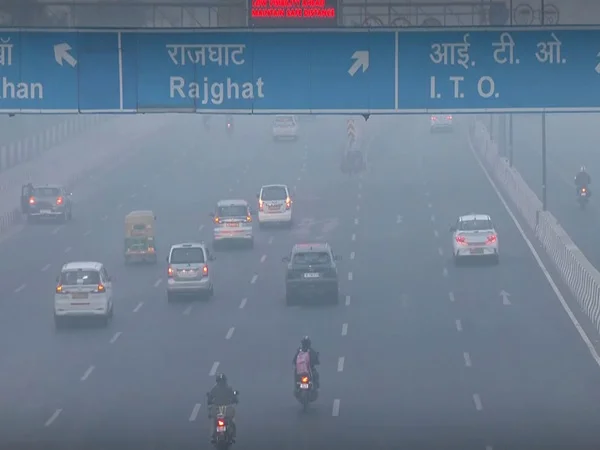
Delhi’s winter pollution results from the interaction of emissions and unfavourable weather conditions.
The announced measures can be understood under the following ten broad heads:
|
Measure |
Main provision |
|
1. Restrictions on polluting vehicles |
Entry restrictions on vehicles registered outside Delhi that fall below BS-VI standards, with exemptions for CNG and electric vehicles. |
|
2. ‘No PUC, No Fuel’ |
Denial of fuel to vehicles without a valid Pollution Under Control Certificate. |
|
3. Construction and demolition controls |
Restrictions on dust-generating activities, followed by a broader construction ban during the peak winter period. |
|
4. Technology-based monitoring |
AI-enabled monitoring and CCTV surveillance to strengthen compliance at construction sites. |
|
5. Work-from-home arrangements |
A 50% work-from-home arrangement to reduce commuting and vehicular emissions. |
|
6. Staggered office timings |
Different office schedules to distribute traffic demand and reduce congestion. |
|
7. Higher parking charges |
Doubling charges at authorised parking facilities, with Metro parking excluded. |
|
8. Promotion of public transport |
Greater emphasis on electric buses, Metro services, last-mile connectivity and carpooling. |
|
9. Road-dust management |
Mechanised sweeping, water sprinkling, road improvements and intensive cleaning. |
|
10. Control of other pollution sources |
Action against waste burning and polluting industrial units, supported by hotspot monitoring and public participation. |
These measures combine restrictions on emissions with cleaner transport alternatives and stronger enforcement.
|
Component |
Announced period |
|
Overall Winter Action Plan |
1 November 2026–28 February 2027 |
|
Entry restrictions on specified non-Delhi vehicles |
1 November 2026–31 January 2027, according to the Chief Minister’s announcement |
|
Ban on dust-generating demolition and outdoor civil construction |
1 November 2026–31 January 2027 |
|
Broader ban on construction and demolition |
10 December 2026–20 January 2027 |
The overall plan and individual restrictions have different timelines. Applicable exemptions and operational requirements must be read alongside the relevant implementation orders.
Delhi’s Winter Action Plan 2026–27 brings together preventive restrictions, cleaner mobility and coordinated enforcement. Its effectiveness will depend on timely implementation, public cooperation and adequate alternatives for affected commuters and workers. Lasting improvement requires these seasonal measures to form part of a broader, year-round regional clean-air strategy.
Prelims MCQWhich atmospheric condition commonly aggravates winter air pollution in Delhi? (a) Strong surface winds Mains Question“Seasonal restrictions alone cannot resolve Delhi’s air pollution crisis.” Discuss the need for an integrated, airshed-based approach to urban air-quality management. |
1. What is Delhi’s Winter Action Plan 2026–27?It is a seasonal pollution-control programme combining vehicle restrictions, construction controls, cleaner transport, flexible working arrangements and stronger enforcement. 2. When will the plan operate?The overall plan covers 1 November 2026 to 28 February 2027, although individual restrictions have separate timelines. 3. What does ‘No PUC, No Fuel’ mean?It means vehicles without a valid Pollution Under Control Certificate will be denied fuel under the announced policy. 4. Are CNG and electric vehicles covered by the announced entry restriction?CNG and electric vehicles are exempt from the announced restriction targeting vehicles registered outside Delhi that fall below BS-VI standards. 5. Why does the plan include work from home?Work from home is intended to reduce daily commuting, traffic congestion and associated vehicular emissions. |


Our support team will be happy to assist you!

 Contact Us
 New Batch : 9555124124/ 7428085757
 Tech Support : 9555124124/ 7428085757
