New
GS Foundation (P+M) - Delhi : 19th Jan. 2026, 11:30 AM GS Foundation (P+M) - Prayagraj : 09th Jan. 2026, 11:00 AM GS Foundation (P+M) - Delhi : 19th Jan. 2026, 11:30 AM GS Foundation (P+M) - Prayagraj : 09th Jan. 2026, 11:00 AM

Digital Policing in the Social Media Age: Expansion of Police Monitoring Cells in India

Prelims: (Polity & Governance + CA)
Mains: (GS 2 - Governance, Fundamental Rights, Police Reforms; GS 3: Internal Security, Cyber Security, Technology in Policing)

Why in News ?

Indian States have significantly expanded dedicated police social media monitoring cells over the last five years, reflecting a shift in policing strategies to address emerging digital-era crimes, misinformation, and public order challenges.
Background & Context: Social Media and Internal Security

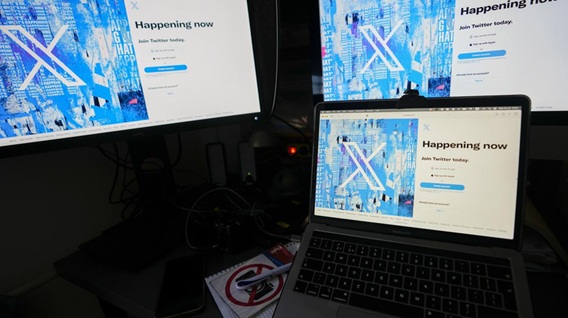
Over the past decade, India has witnessed an explosive growth in social media usage, with hundreds of millions of users active on platforms such as Facebook, X (formerly Twitter), WhatsApp, Instagram, Telegram, and Snapchat.

This digital transformation has:

  • Democratised political expression and mobilisation
  • Accelerated information dissemination during crises
  • Enabled real-time citizen–state interaction

However, it has also created new vulnerabilities, including:

  • Rapid spread of misinformation and fake news
  • Online coordination of riots, protests, and unlawful assemblies
  • Cyber frauds, impersonation, and financial scams
  • Radicalisation, hate speech, and extremist propaganda

As a result, law enforcement agencies have been compelled to adapt, integrating digital surveillance and online intelligence into routine policing and internal security management.

Social Media Policing in India

Social media monitoring has emerged as a critical component of modern policing, aimed at:

  • Preventing crime before it spills offline
  • Managing public order during sensitive events
  • Tracking misinformation during elections, protests, and communal tensions

Unlike traditional reactive policing, social media monitoring focuses on early warning, trend analysis, and preventive intervention.

Growth of Social Media Monitoring Cells

  • The number of dedicated social media monitoring cells across States and Union Territories increased from 262 in January 2020 to 365 in January 2024.
  • These units are distinct from cybercrime police stations and focus specifically on:
    • Real-time monitoring of online content
    • Flagging viral misinformation
    • Tracking digital mobilisation patterns

Earlier, such functions were handled informally within cybercrime units; their separation into standalone cells marks institutional maturity in digital policing.

State-wise Trends and Expansion

The expansion has been uneven across States, influenced by population size, digital penetration, and internal security challenges.

States with Highest Number of Cells

  • Bihar – 52
  • Maharashtra – 50
  • Punjab – 48
  • West Bengal – 38
  • Assam – 37

Rapid Scaling Examples

  • Assam: Expanded from 1 cell (2022) to 37 cells (2024)
  • West Bengal: Increased from 2 to 38 cells in the same period
  • Punjab: Doubled capacity between 2022 and 2024

Manipur Case

  • Monitoring cells increased from 3 (2020) to 16 (2024) despite prolonged internet shutdowns during ethnic violence in 2023.
  • This underscores the perceived importance of digital surveillance even amid disrupted connectivity.

Institutional Framework and Data Source

  • Data is sourced from the Data on Police Organisations (DoPO) reports, published annually by the Bureau of Police Research and Development (BPR&D).
  • Social media monitoring cells began to be recorded as separate entities only from 2021, indicating a formal administrative shift towards recognising digital surveillance as a standalone policing function.

Rationale Behind Increased Monitoring

Police authorities cite changing crime patterns as the primary driver. Social media platforms are increasingly used for:

  • Coordinating organised crime and cyber fraud
  • Spreading misinformation and disinformation
  • Mobilising crowds during protests or riots
  • Radicalisation and extremist recruitment
  • Online harassment, stalking, and financial scams

The emphasis is largely preventive, enabling early detection of threats and timely intervention.

Related Trends in Police Modernisation

The growth of social media monitoring cells parallels broader police modernisation efforts:

  • Cybercrime police stations: Increased from 376 (2020) to 624 (2024)
  • Drone deployment: Over 1,100 drones in use nationwide for surveillance, crowd control, and disaster response

However, these advances coexist with structural challenges:

  • Over 5.9 lakh vacancies in police forces
  • Shortage of trained cyber and data analysis personnel

This highlights the technology–manpower mismatch in Indian policing.

Governance and Civil Liberties Concerns

The expansion of social media monitoring raises serious constitutional questions:

  • Right to Privacy: Following the Puttaswamy judgment, surveillance must satisfy legality, necessity, and proportionality.
  • Freedom of Speech: Risk of chilling effect on legitimate dissent and political expression.
  • Lack of Clear Oversight: Absence of uniform national guidelines on scope, data retention, and accountability.

Balancing security imperatives with civil liberties remains a central governance challenge.

FAQs

Q1. What are police social media monitoring cells ?

Dedicated units that track online platforms for crime prevention, misinformation, and public order management.

Q2. Why has their number increased rapidly ?

Due to rising cybercrime, misinformation, and digital coordination of unlawful activities.

Q3. Which States have the highest number of such cells ?

Bihar, Maharashtra, Punjab, West Bengal, and Assam.

Q4. What data source tracks these monitoring cells ?

The Data on Police Organisations (DoPO) reports by BPR&D.

Q5. What are the main concerns with increased monitoring ?

Privacy violations, free speech restrictions, and lack of clear legal oversight.

Have any Query?

Our support team will be happy to assist you!

OR