
- UPSC Exam
- State PCS
- One Day Exam
- Current Affairs
- PT Quiz
- Downlaods
- About Coaching
- Blog
- Videos

| Prelims: (Polity & Governance + CA) Mains: (GS 2 – Welfare Schemes, Women Empowerment; GS 3 – Inclusive Growth, Rural Economy, Poverty Alleviation) |
The Union Minister for Rural Development and Agriculture & Farmers’ Welfare recently directed officials to adopt a focused and time-bound strategy to achieve the revised target of creating 6 crore ‘Lakhpati Didis’ by March 2029.
The directive signals an intensified push to accelerate women-led income generation under rural livelihood missions.
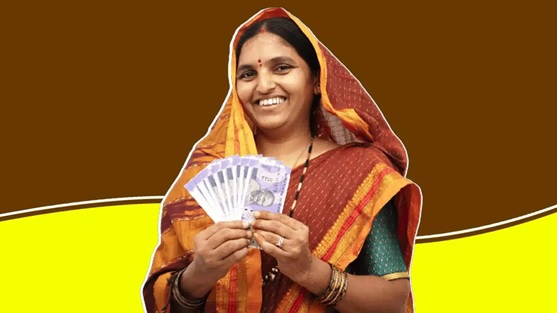
Origin of the Initiative : The Lakhpati Didi Initiative operates under the Deendayal Antyodaya Yojana – National Rural Livelihoods Mission (DAY-NRLM), implemented by the Ministry of Rural Development.
Concept of Lakhpati Didi : A ‘Lakhpati Didi’ refers to a woman member of a Self-Help Group (SHG) earning an annual household income of ₹1,00,000 or more, sustained over at least four agricultural seasons or business cycles.
The benchmark implies an average monthly income exceeding ₹10,000, ensuring income stability rather than short-term gains.
Focus on Individual Empowerment : Unlike traditional SHG-based metrics, the initiative focuses on enabling individual women members to cross the income threshold.
Revised Target : The target has been revised to create 6 crore Lakhpati Didis by March 2029, reflecting the scale of ambition in rural transformation.
Significance of the Issue : Women’s Economic Empowerment: Enhances financial independence and decision-making power among rural women.
Inclusive Growth: Directly addresses rural poverty through sustainable livelihood diversification.
Grassroots Entrepreneurship: Encourages micro-enterprise development within villages.
Convergence-Based Governance: Integrates efforts across government departments, private sector, and market players.
Social Transformation: Economic empowerment of women has multiplier effects on health, education, and community development.
1. Core Objectives of the Initiative
Promote Sustainable Income : Ensure that SHG households achieve consistent annual income above ₹1 lakh.
Encourage Micro-Entrepreneurship : Facilitate women to establish enterprises in agriculture, livestock, food processing, handicrafts, and services.
Diversify Livelihood Activities : Each SHG household is encouraged to adopt multiple income-generating activities.
2. Strategic Framework of Lakhpati Didi
(i) Deepen, Strengthen and Expand Livelihood Options : Support diversified income streams, including farm and non-farm activities, along with value chain integration.
(ii) Capacity Building Through Cascade Training : Adopt a cascading model to train and mentor potential Lakhpati Didis across States and Union Territories.
(iii) Financial Assistance and Credit Linkages : DAY-NRLM facilitates access to institutional credit, revolving funds, and community investment funds.
3. Convergence Model
The initiative emphasises coordination across:
This convergence approach enhances access to technology, markets, and financial services.
4. Role of Self-Help Groups (SHGs)
SHGs as Institutional Platforms : SHGs provide collective bargaining power and peer support mechanisms.
Transition to Individual Prosperity : While SHGs remain the foundation, the focus shifts towards ensuring that individual women cross the income benchmark.
5. Economic and Social Impact Pathways
Poverty Reduction : Sustained income growth improves household consumption and asset formation.
Financial Inclusion : Strengthens linkages with formal banking and credit systems.
Rural Demand Expansion : Increased incomes stimulate local markets and economic activity.
Gender Equality : Economic independence enhances women’s participation in governance and decision-making.
Rural Economic Resilience: Diversified livelihoods reduce vulnerability to agricultural shocks.
Human Development Gains: Higher incomes correlate with improved nutrition, education, and health outcomes.
Entrepreneurial Ecosystem Development: Encourages value chain integration and local enterprise growth.
Achievement of SDGs: Aligns with Sustainable Development Goals on poverty eradication and gender equality.
Large-Scale Implementation Challenge: The ambitious 6 crore target requires administrative efficiency and financial mobilisation.
Strengthen Market Linkages: Ensure sustainable demand for products and services generated by Lakhpati Didis.
Enhance Skill Development: Integrate advanced skilling programmes aligned with local economic opportunities.
Improve Access to Affordable Credit: Expand credit guarantee mechanisms and interest subvention schemes.
Robust Monitoring and Evaluation: Adopt real-time tracking of income benchmarks to ensure genuine sustainability.
Promote Value Chain Integration: Move beyond primary production towards processing, branding, and market expansion.
FAQs1. Who is considered a Lakhpati Didi? A Self-Help Group member earning at least ₹1 lakh annual household income sustained over multiple agricultural seasons or business cycles. 2. Which ministry implements the initiative? The Ministry of Rural Development through DAY-NRLM. 3. What is the revised target of the scheme? To create 6 crore Lakhpati Didis by March 2029. 4. How does the initiative promote sustainable income? By encouraging diversified livelihood activities, providing training, and facilitating financial support. 5. Why is the initiative significant for inclusive growth? It empowers rural women economically, reduces poverty, and strengthens grassroots entrepreneurship. |



Our support team will be happy to assist you!

 Contact Us
  New Batch : 9555124124/ 7428085757
  Tech Support : 9555124124/ 7428085757