Prelims: Kashi Tamil Sangamam, Thirukkural, Ek Bharat Shreshtha Bharat, Central Institute of Classical Tamil, Banaras Hindu University, IIT Madras
Mains: GS Paper I Indian Culture and Heritage; GS Paper II Education, Cultural Diplomacy and National Integration
Keywords: Kashi Tamil Sangamam 5.0, Thirukkural Payilvom, Tamil Nadu–Kashi cultural ties, Ek Bharat Shreshtha Bharat, multilingual education, Thirukkural |
Why in News?
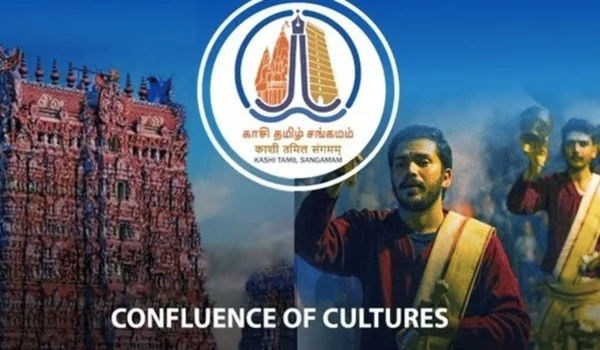
- The registration portal for the fifth edition of Kashi Tamil Sangamam (KTS 5.0) was launched on 22 October 2026.
- The event will be held from 28 November to 12 December 2026 on the theme “Thirukkural Payilvom – Thirukkural Abhyas Karen”.
- The theme places the classical Tamil text Thirukkural at the centre of this year’s educational and cultural programme. The Ministry of Education’s announcement is listed by the Press Information Bureau.
Background and Context
- Kashi Tamil Sangamam is a programme to celebrate and strengthen the historical, cultural and knowledge links between Tamil Nadu and Kashi (Varanasi). The first edition was held in 2022. Across its first four editions, the programme enabled exchanges involving language, traditions, learning and lived experiences.
- KTS 5.0 will focus on the Thirukkural, a classical Tamil work comprising 1,330 couplets across 133 chapters. Its teachings will be introduced through educational activities, multilingual resources and public outreach.
Key Points of KTS 5.0
- Dates: 28 November–12 December 2026
- Theme: “Thirukkural Payilvom – Thirukkural Abhyas Karen” (“Let us learn the Thirukkural”)
- Participants: Around 1,400 people from Tamil Nadu, arranged in seven groups of approximately 200
- Journey: Each group will undertake an eight-day programme, with four days of travel and four days of visits and structured activities
- Places to be visited: Varanasi, Prayagraj and Ayodhya
- Participant categories: Students; teachers; writers and media professionals; people from agriculture and allied sectors; professionals and artisans; women; and spiritual leaders
- Organisers: The Department of Higher Education, Ministry of Education, in collaboration with IIT Madras, Banaras Hindu University (BHU), the Central Institute of Classical Tamil (CICT), the Government of Uttar Pradesh and other central ministries and departments
Major Initiatives
1. Student engagement across higher education institutions
A nationwide programme will involve 1,000 higher education institutions (HEIs). It will include structured study, research and campus activities to introduce students from different disciplines and language backgrounds to the Thirukkural.
CICT’s digital resources provide the text in languages listed in the Eighth Schedule, supporting wider access to the work.
2. Outreach in Varanasi schools and colleges
Experts from Tamil Nadu will visit schools and colleges in Varanasi to introduce students to the text’s core values through orientation modules, interactive sessions and quizzes.
The National Book Trust, in association with the Rashtriya e-Pustakalaya, will also hold school sessions on reading, storytelling and creative activities.
3. Technology-enabled access
KTS 5.0 will use technology and multilingual resources to make the Thirukkural accessible to learners and readers across India.
Significance
- Strengthens national integration: The programme creates opportunities for people from different regions to learn about one another’s languages, histories and traditions.
- Connects classical knowledge with young people: Student activities and school outreach can bring the text into contemporary educational settings.
- Promotes multilingual learning: Resources in multiple Indian languages can help readers engage with Tamil literature without relying solely on translation into English.
- Encourages cultural exchange: Visits and structured programmes in Varanasi, Prayagraj and Ayodhya provide space for academic, cultural, spiritual and professional interaction.
- Supports Ek Bharat Shreshtha Bharat: KTS 5.0 uses regional exchange to deepen awareness of India’s shared cultural heritage.
Challenges
- Sustained engagement: Short-term events and visits may not be enough to create lasting interest in the text.
- Translation and interpretation: Translations should preserve the meaning and context of the original couplets while remaining accessible to new readers.
- Institutional participation: The reach of the initiative will depend on active involvement by HEIs, schools and local educators.
- Measuring outcomes: The programme will need ways to assess participation, learning and continued use of its resources.
Way Forward
- Develop follow-up reading and discussion activities through participating institutions.
- Support teachers with accessible, accurate and contextualised learning materials.
- Make multilingual resources easy to find and use on digital platforms.
- Track participation and learning outcomes to guide future editions.
- Encourage cultural exchange as an ongoing educational process, not just an event-period activity.
Conclusion
Kashi Tamil Sangamam 5.0 will bring the cultural ties between Tamil Nadu and Kashi together with a nationwide focus on the Thirukkural. By combining student engagement, multilingual access and in-person exchange, the programme aims to carry classical knowledge into contemporary learning and public life.
Prelims MCQ
Q.1. Kashi Tamil Sangamam 5.0 is based on which theme?
A. Learn Tamil – Tamil Karkalam
B. Thirukkural Payilvom – Thirukkural Abhyas Karen
C. Maharishi Agasthyar
D. Tamil Heritage and Modern India
Mains Question
Discuss how cultural exchange programmes such as Kashi Tamil Sangamam can strengthen national integration and promote India’s classical knowledge traditions.
|
FAQs
1. When will Kashi Tamil Sangamam 5.0 be held?
It is scheduled for 28 November to 12 December 2026.
2. What is the theme of KTS 5.0?
Its theme is “Thirukkural Payilvom – Thirukkural Abhyas Karen”, meaning “Let us learn the Thirukkural”.
3. Which places are included in the programme itinerary?
The itinerary includes Varanasi, Prayagraj and Ayodhya.
4. How many participants are expected from Tamil Nadu?
Around 1,400 participants, divided into seven groups of approximately 200, are expected to take part.
|





 Contact Us
 New Batch : 9555124124/ 7428085757
 Tech Support : 9555124124/ 7428085757
