Context
Researchers have recently developed a sophisticated, flexible, and cost-effective biosensor capable of detecting myoglobin levels in the blood. Since myoglobin is associated with early signs of heart attack, this innovation could revolutionize medical diagnostics.
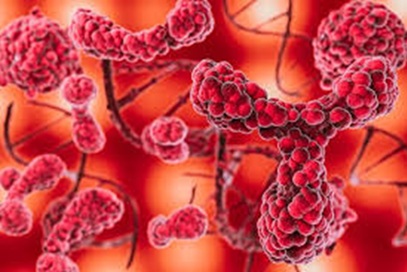
Myoglobin: Structure and Nature
- Myoglobin is a tiny but extremely important protein that makes up approximately 2% of muscle tissue.
- It is found primarily in striated muscles, including skeletal muscles and cardiac muscles.
- At the cellular level, it is present in the cytoplasm of cardiac muscles and the sarcoplasm of skeletal muscles.
- It is part of the globin superfamily. Myoglobin is composed of a single polypeptide chain with only one binding site for oxygen.
- Myoglobin is often considered similar to hemoglobin, but hemoglobin has four polypeptide chains and four oxygen-binding sites.
- Its structure includes amino acids, iron, and other molecules that work together to hold oxygen.
Main Functions of Myoglobin
Myoglobin is not just a protein in the body, but also serves as a multifaceted protective shield:
- Oxygen Transport and Storage:
- It collects oxygen from the bloodstream and delivers it to the muscles.
- When muscles need energy, it releases the stored oxygen for movement.
- It also acts as a 'buffer' to maintain balanced oxygen levels within cells.
- Indicator of Cellular Damage: Normally, myoglobin remains within the muscles. If it is detected in plasma (blood) or urine, it is a clear and sensitive indicator of serious cellular damage, especially in the context of cardiovascular diseases.
- Enzymatic role: It helps break down active nitric oxide into nitrate. The removal of nitric oxide increases the efficiency of mitochondrial respiration (cellular energy production).
- Oxidative protection: It interacts with fatty acids to neutralize reactive oxygen species, thereby preventing tissue damage.

 Contact Us
  New Batch : 9555124124/ 7428085757
  Tech Support : 9555124124/ 7428085757