Context
India is reconsidering its battery policy amid concerns about its high dependence on critical minerals associated with lithium-ion batteries, an import-dependent supply chain, and supply security concerns. In this scenario, sodium-ion battery technology is emerging as a viable alternative solution for EVMs.
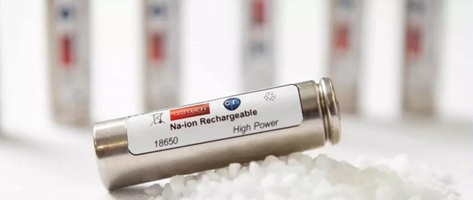
About Sodium-Ion Battery Technology
- Sodium-ion batteries (SiBs) are rechargeable batteries that use sodium ions (Na⁺) instead of lithium ions to store and release energy.
- Structurally, they are part of the rocking-chair battery system like lithium-ion batteries, but the raw materials used are relatively more readily available and abundant.
Working Mechanism
- During charging: Sodium ions move from the cathode to the anode through the electrolyte, while electrons flow through the external circuit.
- During discharging: Sodium ions return from the anode to the cathode, releasing stored electrical energy.
- Unlike lithium-ion batteries, which use copper at the anode, sodium-ion batteries use aluminum as current collectors at both electrodes.
Key Features and Benefits
- Reduced raw material risk: Easily obtained sodium from sources such as salt and soda ash is widely available. This reduces dependence on rare critical minerals such as lithium, cobalt, and nickel.
- Improved safety: These batteries are less prone to thermal runaway and can be safely stored and transported even at 0% charge.
- Manufacturing-friendly: Sodium batteries can be manufactured with minor technical modifications to existing lithium-ion battery production lines.
- Long-term cost advantage: Due to the abundance of raw materials and a simplified supply chain, these batteries could become more cost-effective than lithium-ion alternatives in the future.
- Strategic importance for India: This technology strengthens energy security and is consistent with the goals of domestic manufacturing, grid-scale energy storage, and self-reliance.
Limitations and challenges
- Low energy density: The specific and volumetric energy density are currently lower than high-performance lithium-ion batteries, limiting their use in long-range electric vehicles.
- Lack of technological maturity: Compared to lithium-ion technology, sodium-ion batteries are still in the early commercial stages and their performance is still being improved.
- Moisture sensitivity: More stringent drying and vacuum conditions are required during manufacturing, making the production process somewhat complex.
- Limited scope of use: Currently, this technology is primarily suitable for stationary energy storage, two-wheeled and three-wheeled vehicles, and short-haul mobility, while its use in premium electric vehicles is limited.
Conclusion
Overall, sodium-ion batteries present a strategic and long-term option for India. This technology can play a significant role in reducing import dependence, strengthening energy security, and developing an indigenous battery ecosystem.






 Contact Us
  New Batch : 9555124124/ 7428085757
  Tech Support : 9555124124/ 7428085757