Why in News?
- A suspected outbreak of Hantavirus Pulmonary Syndrome (HPS) on a cruise ship in the Atlantic Ocean has caused panic.
- So far, 3 deaths have been reported and several passengers are ill.
- The WHO and South African health authorities have confirmed the cases.
- One patient is in critical condition in the ICU, and the ship has been restricted near the Cape Verde coast to prevent further spread.

Hantavirus
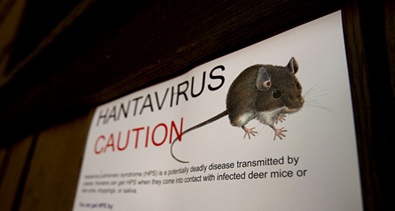
Hantavirus is a rare but highly dangerous virus mainly transmitted from rodents (especially rats and mice) to humans.
It can cause two serious diseases :
- Hantavirus Pulmonary Syndrome (HPS) – affects the lungs
- Hemorrhagic Fever with Renal Syndrome (HFRS) – affects the kidneys
Both conditions can become life-threatening with a high mortality rate.
Transmission
Hantavirus spreads mainly through :
- Airborne transmission (aerosols) :
Inhalation of virus particles from dried rodent urine, droppings, or saliva.
- Direct contact :
Touching infected rodents or their contaminated surroundings.
- Rare cases :
Rodent bites.
Human-to-human transmission is extremely rare.
Symptoms
1. Early stage (within 1–8 weeks of exposure) :
- Fever and chills
- Muscle pain
- Severe fatigue
- Headache
- Nausea, vomiting, sometimes diarrhea
2. Severe stage (HPS development) :
- Difficulty in breathing
- Severe cough
- Chest tightness
- Fluid accumulation in lungs (pulmonary edema)
- Respiratory and heart failure in critical cases
High-Risk Groups
- Farmers and agricultural workers
- Construction workers
- People living or working in forest/camping areas
- Individuals exposed to rodent-infested environments
- Young children, pregnant women, and immunocompromised individuals
Treatment
There is no specific antiviral treatment for hantavirus. Management is mainly supportive :
- Oxygen therapy
- ICU care in severe cases
- Ventilator support if required
- Fluid and electrolyte balance management
Prevention
Prevention focuses on hygiene and rodent control :
- Keep homes and workplaces free from rodents
- Store food in sealed containers
- Seal cracks, holes, and entry points in buildings
- Use masks and gloves while cleaning rodent-infested areas
- Avoid dry sweeping; use wet cleaning methods to prevent aerosol spread






 Contact Us
  New Batch : 9555124124/ 7428085757
  Tech Support : 9555124124/ 7428085757