Prelims: (Health + CA)
Mains: (GS Paper 2 – Health Governance, Public Policy; GS Paper 3 – Pharmaceuticals, Regulatory Framework, Human Development) |
Why in News ?
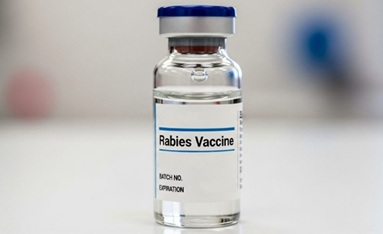
Health authorities in Australia, followed by the United Kingdom and the United States, have advised their citizens who received rabies vaccination in India to verify whether replacement doses are required, citing concerns over the circulation of counterfeit rabies vaccines.
The episode has raised serious questions about drug supply chain integrity, regulatory oversight, and public confidence in vaccines, particularly significant for India, which carries one of the highest rabies burdens globally and is also a major vaccine producer.
Background & Context
Rabies is a nearly 100% fatal disease once symptoms appear, making vaccine efficacy and timely administration a critical public health concern.
India occupies a paradoxical position:
- It accounts for a disproportionately high share of global rabies deaths
- Simultaneously, it is a key global supplier of rabies vaccines
Against this backdrop, international advisories regarding vaccines administered in India have domestic and global implications, extending beyond health outcomes to regulatory credibility and vaccine diplomacy.
Rabies: Transmission and Prevention
Rabies is a viral zoonotic disease transmitted through the saliva of infected animals.
Transmission
- Animal bites or scratches
- Saliva contact with open wounds or mucous membranes
- Common vectors: dogs, cats, monkeys, bats
Symptoms
- Early: Fever, headache, nausea
- Advanced: Excessive salivation, hydrophobia, hallucinations, paralysis
- Once clinical symptoms appear, rabies is almost invariably fatal
Prevention
- Immediate wound washing
- Timely post-exposure prophylaxis (PEP) with vaccines and rabies immunoglobulin
India’s Rabies Burden
- As per the National Rabies Control Programme (NRCP):
- 6,644 clinically suspected rabies cases and deaths reported between 2012–2022
- Actual burden likely significantly under-reported
- WHO estimates:
- 18,000–20,000 rabies deaths annually worldwide
- One-third to two-thirds occur in children under 15
- India accounts for nearly 36% of global rabies deaths
This makes vaccine quality, availability, and trust a matter of national public health importance.
Background: Concerns Over Abhayrab Vaccine
International health advisories flagged the possibility that counterfeit rabies vaccines may have been administered in India since 2023.
- The concern centres on Abhayrab, a widely used rabies vaccine
- Manufactured by Human Biologicals Institute, a division of PSU Indian Immunologicals Limited (IIL)
- The alerts triggered global concern due to rabies’ fatal nature and India’s role as a vaccine hub
Company’s Response and Identification of Counterfeit Batch
Indian Immunologicals Limited (IIL) clarified that:
- In January 2025, it detected one counterfeit batch (KA24014)
- The batch showed tampered outer packaging
- The company immediately informed:
- Drug regulators
- Law enforcement agencies
IIL stated that no other counterfeit batches have been identified so far.
Nature of the Counterfeit: Packaging Diversion, Not Fake Vaccine
Investigations revealed a critical distinction:
- Counterfeit activity involved altered packaging, not fake or substandard vaccine content
- Seized samples tested at the Central Drug Testing Laboratory (CDTL), Kasauli:
- Confirmed presence of genuine vaccine
- Suspected modus operandi:
- Diversion of government-supplied vaccines into the private/open market using forged packaging
Locations Identified
- Delhi
- Mumbai
- Agra
- Lucknow
- Kanpur
- Patna
Raids were conducted in Delhi, Mumbai, and Agra.
Why Abhayrab Is Central to the Concern ?
- Abhayrab accounts for around 40% of India’s rabies vaccine market
- IIL is the largest rabies vaccine producer globally, with over 25 years of supply
- In many rural and semi-urban areas, Abhayrab is often the only available vaccine
- Company officials warned that international advisories could:
- Fuel vaccine hesitancy
- Undermine public trust in immunisation programmes
Expert Reassurance on Public Health Impact
Public health experts in India sought to calm public fears:
- Rabies PEP in India typically involves five vaccine doses
- Even if one dose were compromised, protection is usually ensured by:
- Remaining doses
- Administration of rabies immunoglobulin
- Hence, mass vaccine failure is unlikely
WHO-Recommended Rabies Vaccination Protocol
Unimmunised Persons
- At least three intramuscular doses
or
- Two intradermal doses, plus:
- Rabies immunoglobulin on Day 0
Previously Immunised Persons
- Only two booster doses required
- No immunoglobulin needed
Recent Rabies Cases and Vaccine Failure Concerns
Kerala Case Spike (2022)
- Several rabies deaths reported despite prior vaccination
- Triggered public suspicion of:
- Vaccine failure
- Substandard vaccines
Findings of Union Health Ministry Committee
The committee concluded:
- No evidence of vaccine failure
- Deaths linked to systemic gaps:
- Inadequate wound washing
- Non-administration of rabies immunoglobulin in Category-3 bites
Category-3 bites include:
- Multiple bites or deep scratches
- Broken skin licked by animals
- Highest risk of rabies transmission
The committee highlighted shortages of rabies immunoglobulin and vaccines as a critical challenge.
Governance Lessons and Way Forward
Key Governance Issues
- Drug supply chain vulnerabilities
- Weak monitoring of last-mile distribution
- Risks to India’s global vaccine credibility
Way Forward
- Strengthen end-to-end vaccine traceability
- Digitise batch-level authentication systems
- Improve availability of rabies immunoglobulin
- Enhance public communication to prevent vaccine hesitancy
- Tighten enforcement against diversion and packaging fraud
FAQs
1. Why did foreign governments issue advisories on rabies vaccines in India ?
Due to concerns about possible circulation of counterfeit rabies vaccine packaging.
2. Was the rabies vaccine itself found to be fake ?
No. Tests showed the vaccine contents were genuine; the issue involved tampered packaging.
3. Why is rabies particularly dangerous ?
Rabies is almost 100% fatal once symptoms develop.
4. What is Category-3 animal bite exposure ?
Severe exposure involving deep bites, multiple wounds, or saliva contact with broken skin.
5. What does this episode reveal about health governance in India ?
It highlights the need for stronger drug regulation, supply-chain monitoring, and public trust-building.
|






 Contact Us
  New Batch : 9555124124/ 7428085757
  Tech Support : 9555124124/ 7428085757