
- UPSC Exam
- State PCS
- One Day Exam
- Current Affairs
- PT Quiz
- Downlaods
- About Coaching
- Blog
- Videos

| Prelims: (Social Issues + CA) Mains: (GS-1 – Population and Associated Issues; GS-2 – Social Policy and Governance) |
The Government of Andhra Pradesh has introduced a draft Population Management Policy aimed at encouraging families to have two or three children in response to a sharp decline in fertility rates in the state.
The policy comes after Andhra Pradesh’s Total Fertility Rate (TFR) fell to 1.5, significantly below the replacement level of 2.1 required to maintain a stable population.
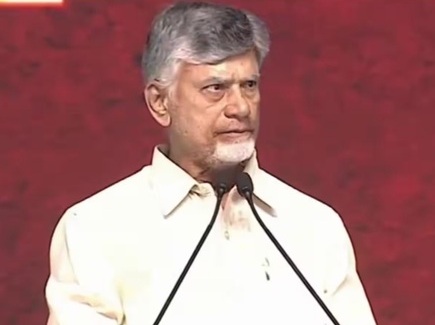
The government has expressed concern that a declining birth rate could lead to:
The policy therefore marks a shift from population control policies to population support measures.
For decades, India’s population policies focused on controlling population growth, especially during the 1970s and 1980s when high fertility rates were considered a developmental challenge.
India introduced its National Population Policy (2000) with objectives such as:
Over time, however, many states—particularly in southern India—have witnessed rapid declines in fertility rates due to improvements in education, healthcare, and economic development.
Today, several states face the opposite challenge: declining fertility and population ageing.
Andhra Pradesh has experienced a steady decline in fertility over the past two decades.
Similarly, Telangana has recorded a fertility rate of 1.5.
At the national level, India’s fertility rate has also declined:
This decline reflects improvements in:
There are significant regional differences in fertility rates across the country.
Southern states generally have fertility rates below the national average due to stronger social development indicators.
Examples include:
Some states still record higher fertility rates.
Examples include:
States such as Madhya Pradesh, Chhattisgarh, Rajasthan, Jharkhand, and Assam also record fertility rates above the national average.
Declining fertility in southern states could have important political implications, particularly regarding parliamentary representation.
Seats in the Parliament of India are allocated based on population size.
States with slower population growth may eventually see their relative representation decline compared to more populous states.
This issue is closely connected with the delimitation process, which redraws parliamentary constituencies after each census.
However, the delimitation exercise has been suspended for nearly 50 years to avoid penalising states that successfully controlled population growth.
Once the suspension ends, states with higher population growth may gain more representation in Parliament.
This possibility has generated debate among southern states concerned about losing political influence.
The Government of Andhra Pradesh has introduced the policy to address demographic changes and maintain a balanced population structure.
The policy aims to:
The government believes these steps can help maintain economic growth and demographic stability.
The proposed policy is structured around five core pillars.
1. Matrutva
Focuses on maternal health and well-being, including better healthcare facilities and nutritional support for mothers.
2. Shakti
Aims to increase women’s participation in the workforce through employment opportunities and supportive social policies.
3. Kshema
Focuses on strengthening elderly welfare systems, as the proportion of senior citizens is expected to increase significantly.
4. Naipunyam
Seeks to improve workforce skills, particularly in healthcare sectors dealing with children and the elderly.
5. Sanjeevani
Focuses on expanding the digital public health system to improve healthcare accessibility and efficiency.
To encourage families to have more children, the state government has proposed several incentives.
Key measures include:
The policy also includes measures aimed at improving healthcare and workforce preparedness.
These include:
The government aims to achieve several health-related goals through the policy.
These include:
Andhra Pradesh is experiencing a faster ageing trend compared to the national average.
Key demographic indicators
Another challenge is relatively low female workforce participation.
Addressing these demographic trends is a major objective of the policy.
1. Addressing Declining Fertility
The policy recognises that very low fertility can create long-term demographic challenges similar to those faced by countries such as Japan and South Korea.
2. Preventing Demographic Burden
By encouraging sustainable population growth, the state aims to avoid a situation where a shrinking workforce must support a rapidly ageing population.
3. Supporting Women and Families
The policy emphasises maternal health, childcare support, and women’s employment opportunities.
4. Strengthening Elderly Welfare
With the elderly population expected to grow significantly, the policy focuses on improving social and healthcare systems for senior citizens.
5. Preparing for Future Economic Growth
Maintaining a balanced demographic structure can help preserve the demographic dividend, which is essential for long-term economic growth.
FAQs1. What is the Total Fertility Rate (TFR) ? The Total Fertility Rate is the average number of children a woman is expected to have during her lifetime. 2. What is the replacement level of fertility ? Replacement-level fertility is about 2.1 children per woman, which keeps the population size stable over time. 3. Why is Andhra Pradesh encouraging families to have more children ? The state’s fertility rate has declined to 1.5, which could lead to a shrinking workforce and an ageing population in the future. 4. What are the main incentives offered under the policy ? The policy proposes cash incentives, monthly financial support, free education for children, and subsidised IVF treatments to encourage childbirth. 5. Why are declining fertility rates a concern for governments ? Very low fertility rates can lead to population ageing, labour shortages, slower economic growth, and increased pressure on welfare systems. |



Our support team will be happy to assist you!

 Contact Us
  New Batch : 9555124124/ 7428085757
  Tech Support : 9555124124/ 7428085757