Prelims: (Environment + CA)
Mains: (GS-3 – Environment, Technology) |
Why in the News ?
India is facing a severe environmental crisis triggered by decades of unchecked industrial waste, pesticide accumulation, oil spills, untreated sewage, and heavy-metal pollution—making bioremediation an urgent national priority.
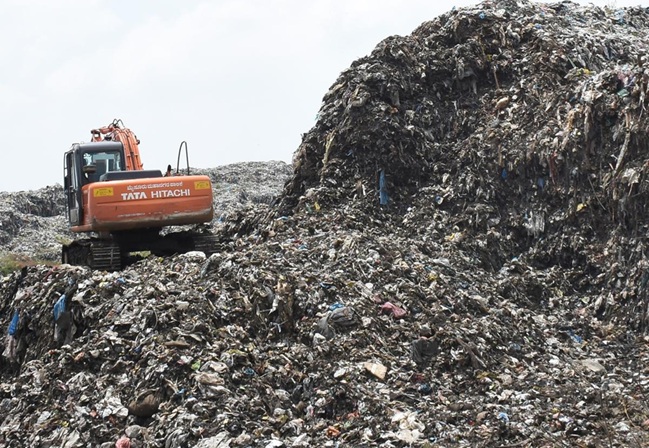
Understanding Bioremediation
- Bioremediation refers to the use of microorganisms, fungi, algae, or plants to break down hazardous pollutants into harmless end products.
- These pollutants include pesticides, oil, plastics, industrial contaminants, and toxic metals.
- Microbes metabolise pollutants as an energy source, converting them into water, carbon dioxide, or organic acids.
- Some organisms transform heavy metals into stable, non-leaching forms, reducing toxicity.
- Modern bioremediation integrates microbiology with biotechnology and synthetic biology, enabling:
- Genetically modified microbes to degrade tough pollutants
- Biosensing organisms that signal the presence of toxins through colour change or fluorescence
Types of Bioremediation Techniques
1. In Situ Bioremediation
- Treatment occurs directly at the contaminated site.
- Example: Oil-degrading bacteria used during marine oil spills.
2. Ex Situ Bioremediation
- Contaminated soil or water is removed, treated externally, and then restored.
- Allows controlled treatment for complex or mixed pollutants.
Urgent Need for Bioremediation in India
- Rapid industrialisation and urbanisation have severely polluted India’s ecosystems.
- Rivers such as the Ganga and Yamuna, agricultural soils, groundwater, and urban areas are heavily contaminated.
- Traditional clean-up technologies (chemical neutralisation, thermal treatment) are costly, energy-intensive, and often create secondary pollution.
- Bioremediation offers a low-cost, scalable, and eco-friendly solution for a country with:
- Vast polluted land areas
- High waste generation
- Limited financial resources
- India’s diverse microbial populations, adapted to heat, salinity, and acidity, give it a scientific advantage in designing locally suited solutions.
India’s Current Progress in Bioremediation
Government Initiatives
- Department of Biotechnology (DBT) funds bioremediation missions under Clean Technology Programmes.
- CSIR–NEERI leads national bioremediation projects and provides site-specific solutions to states.
Research & Academic Innovations
- IIT researchers developed cotton-derived nanocomposites to clean oil spills.
- Indian scientists have identified microbial strains capable of degrading pesticides and industrial toxins.
Growing Start-up Ecosystem
- Emerging companies offer microbial formulations for wastewater treatment, soil restoration, and landfill remediation.
Global Trends in Bioremediation
- Japan integrates plant–microbe systems into urban waste management.
- European Union funds multinational collaborations for oil-spill restoration and mine-site rehabilitation.
- China widely uses engineered microbes to reclaim industrial wastelands under its soil pollution programme.
These international models show how bioremediation can be mainstreamed into national environmental policies.
Opportunities for India
Bioremediation can accelerate progress in:
- River rejuvenation missions (e.g., Namami Gange)
- Sewage and wastewater treatment
- Industrial clean-up and legacy waste remediation
- Land reclamation and eco-restoration
It can also generate employment in:
- Biotechnology research
- Environmental monitoring
- Waste management enterprises
- Local sustainability start-ups
Risks and Regulatory Challenges
- Deployment of genetically modified organisms (GMOs) poses ecological risks if not properly regulated.
- India lacks:
- Unified, national bioremediation standards
- Detailed site-specific contamination data
- Strong biosafety frameworks
- Adequately trained technical personnel
Way Forward
- Establish national bioremediation standards, certification protocols, and monitoring guidelines.
- Create regional bioremediation hubs that link researchers, industries, and local governments.
- Promote start-ups through DBT–BIRAC partnerships.
- Enhance community participation and awareness to build acceptance of microbial remediation technologies.
FAQs
1. What is bioremediation and why is it important ?
Bioremediation uses biological organisms to break down pollutants. It is vital for India because traditional clean-up technologies are expensive, unsustainable, and often ineffective for large-scale contamination.
2. How does bioremediation help in cleaning polluted rivers and soils ?
Microbes or plants metabolise pollutants like oil, pesticides, and metals, converting them into harmless compounds—making it suitable for river restoration, sewage treatment, and soil recovery.
3. Is bioremediation safe for the environment ?
Natural bioremediation is generally safe. Risks arise mainly with genetically engineered organisms, which require strict biosafety regulations.
4. Which government bodies are involved in promoting bioremediation in India ?
The Department of Biotechnology (DBT) and CSIR–NEERI are the primary agencies supporting research, pilot projects, and national-level interventions.
5. What are India’s biggest opportunities in bioremediation ?
Large-scale applications can be integrated into river cleaning missions, industrial remediation, urban waste management, and land restoration, while generating green-sector employment.
|






 Contact Us
  New Batch : 9555124124/ 7428085757
  Tech Support : 9555124124/ 7428085757