Environment & Ecology 10-Nov-2025
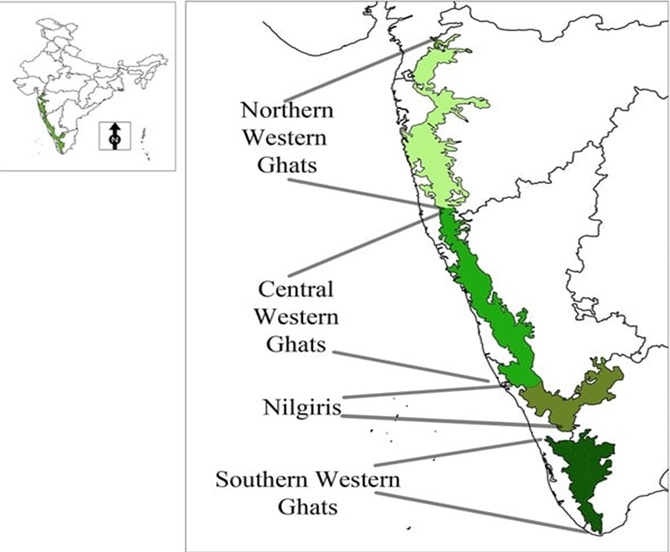
Recently, the Karnataka government rejected the Kasturirangan Committee’s report for the environmental conservation of the Western Ghats. The state government argued that the report exaggerated the extent of the Ecologically Sensitive Area (ESA), which could hinder developmental projects. This decision has once again revived the debate between development and environmental conservation.
Environment & Ecology 10-Nov-2025
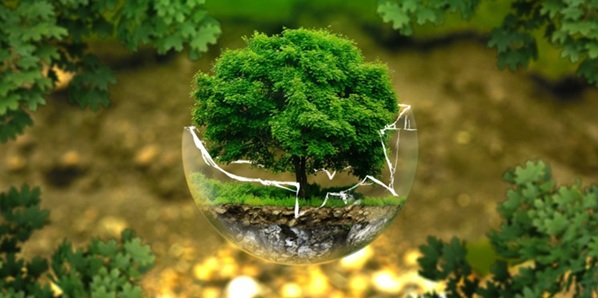
India, being a country with diverse geomorphology and rich biodiversity, faces the challenge of balancing development with environmental conservation. To maintain this balance, the government has developed the concept of Ecologically Sensitive Zones (ESZs). The idea is to allow controlled development without disturbing the ecological balance of protected areas.
Environment & Ecology 10-Nov-2025
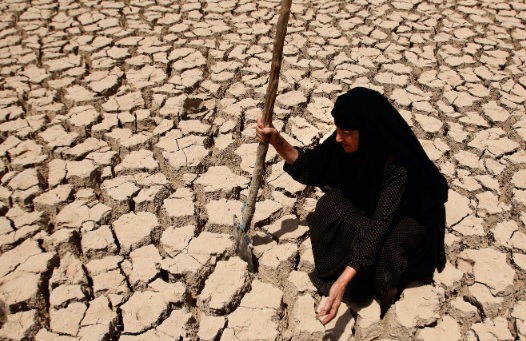
According to recent reports, the water level in the dam reservoirs supplying water to the northeastern Iranian city of Mashhad has fallen below 3%, and the country is facing a severe water crisis. The president has warned that if the situation does not improve, the capital, Tehran, may have to be evacuated.

Environment & Ecology 10-Nov-2025
According to a study published in the journal Nature Ecology and Evolution, the biomass movement of humans on Earth is 40 times greater than that of all terrestrial animals, birds, and insects combined.
Environment & Ecology 10-Nov-2025
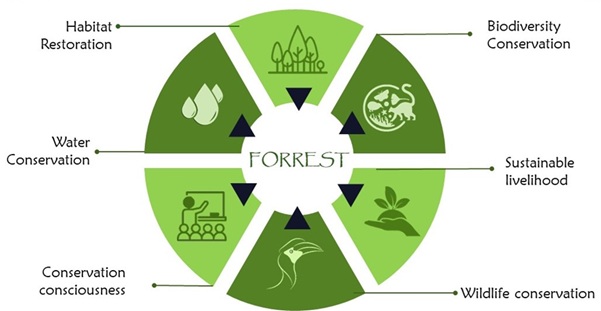
Forest conservation in India is not only environmental but also deeply rooted in cultural and spiritual traditions
Environment & Ecology 08-Nov-2025
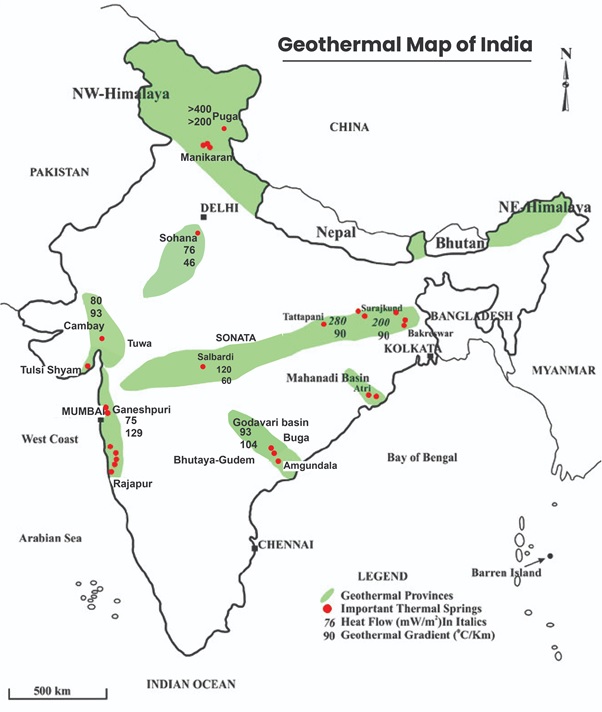
Geothermal energy is the heat energy stored within the Earth. The term “Geo + Thermal” literally means “Earth + Heat.” This energy flows from the Earth’s core to its surface, primarily generated by the decay of radioactive elements (Uranium, Thorium, Potassium) and residual heat from the Earth’s formation. It can be used for electricity generation, heating, agriculture, and industrial applications.
Environment & Ecology 07-Nov-2025
India presented its updated National Biodiversity Strategy and Action Plan 2024–30 (NBSAP 2024–30) at COP16 of the UN Convention on Biological Diversity (UNCBD) held in Cali, Colombia – 2024.

Environment & Ecology 07-Nov-2025
The Convention on Biological Diversity (CBD) was established at the 1992 Rio Earth Summit. Its primary objectives are the conservation of biodiversity, sustainable use, and equitable sharing of benefits. COP16, the 16th Conference of the Parties, was held in Colombia.
Environment & Ecology 06-Nov-2025
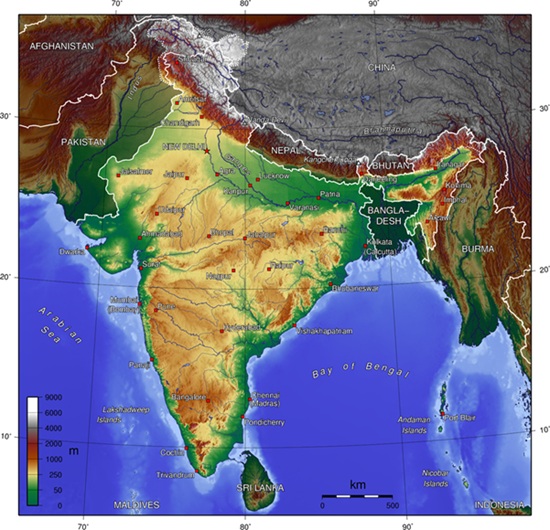
The Indian Himalayan Region (IHR) is not only the ecological backbone of India but also the lifeline of Asia. Stretching from the high altitudes of the Himalayas to the hilly terrains of the northeastern states, this region sustains millions of lives, cultures, and water resources.
Environment & Ecology 03-Nov-2025
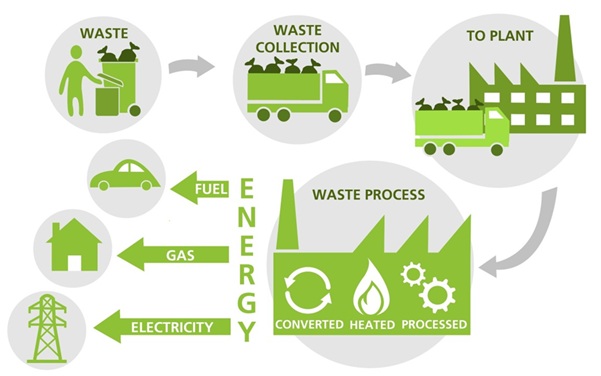
The modern world is transitioning from a “Take–Make–Dispose” model to a “Reduce–Reuse–Recycle” model. The concept of “Waste to Wealth” signifies this transformation — converting waste into a valuable resource or wealth.




