New
GS Foundation (P+M) - Delhi : 19th Jan. 2026, 11:30 AM Spring Sale UPTO 75% + 10% Off, Valid Till : 6th Feb., 2026 GS Foundation (P+M) - Prayagraj : 09th Jan. 2026, 11:00 AM Spring Sale UPTO 75% + 10% Off, Valid Till : 6th Feb., 2026 GS Foundation (P+M) - Delhi : 19th Jan. 2026, 11:30 AM GS Foundation (P+M) - Prayagraj : 09th Jan. 2026, 11:00 AM

Current Affairs for 02 February 2026

El Niño Explained: The Climate Phenomenon Shaping Global and Indian Weather

Prelims: (Geography + Climate + CA)
Mains: (GS 1 – Physical Geography, Climatology; GS 3 – Disaster Management, Agriculture, Climate Change)

Why in News ?

The Director-General of the India Meteorological Department (IMD) has indicated that there is a possibility of El Niño developing after July this year, though clearer signals are expected to emerge by April. This has drawn attention to a climate phenomenon that significantly influences global weather patterns and India’s monsoon.
Background: Normal Climatic Conditions in the Pacific

Under neutral conditions in the tropical Pacific Ocean:

  • Surface waters are warmer in the western Pacific (near Asia) and cooler in the eastern Pacific (near South America).
  • Trade winds blow from east to west, pushing warm surface water towards Asia.
  • To replace this displaced warm water, cold, nutrient-rich water rises from the depths near the South American coast—a process known as upwelling.

This system supports marine productivity and maintains stable global weather patterns.

What is the El Niño–Southern Oscillation (ENSO) ?

ENSO is a recurring climate cycle involving changes in ocean temperatures and atmospheric circulation over the equatorial Pacific.

It has three phases:

  • Neutral
  • El Niño (warm phase)
  • La Niña (cool phase)

El Niño and La Niña disrupt normal climate patterns and can influence:

  • Rainfall and drought cycles,
  • Storm intensity,
  • Wildfires,
  • Ecosystems, and
  • Global economic activity.

El Niño events generally occur more frequently than La Niña events.

What is El Niño ?

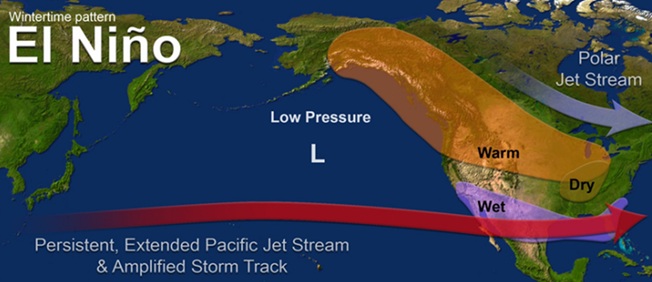
El Niño is a climate pattern marked by the unusual warming of surface waters in the eastern tropical Pacific Ocean. It represents the warm phase of ENSO.

Key Characteristics

  • Rising sea surface temperatures in the equatorial Pacific.
  • Weakening or reversal of trade winds, which may turn into westerlies.
  • Warm water shifts from the western Pacific towards the Americas.
  • Upwelling is suppressed, reducing nutrient supply to surface waters.
  • Warm waters transport tropical species into cooler regions, disrupting marine ecosystems.

Since the Pacific Ocean covers nearly one-third of the Earth’s surface, changes in its temperature and wind patterns have global climatic repercussions.

Global Impacts of El Niño

El Niño alters weather patterns worldwide:

  • North America: Dry, warm winters in northern U.S. and Canada; increased flooding risk along the U.S. Gulf Coast and southeastern U.S.
  • Australia and Indonesia: Severe droughts and increased wildfire risk.
  • South America: Heavier rainfall and flooding along the western coast.
  • Marine ecosystems: Decline in fisheries due to reduced upwelling and nutrient supply.

What is La Niña ?

La Niña is the cool phase of ENSO, characterised by:

  • Cooler-than-average sea surface temperatures in the equatorial Pacific.
  • Stronger trade winds, pushing warm surface waters further west towards Asia.
  • Enhanced upwelling along the American west coast, bringing nutrient-rich waters to the surface.
  • Pacific cold waters shift jet streams northwards, altering global atmospheric circulation.

Global Impacts of La Niña

  • Southern United States: Drier conditions.
  • Canada: Heavier rainfall and colder winters.
  • Australia: Increased rainfall and flood risk.
  • Marine productivity: Often improves due to stronger upwelling.

Impact of ENSO on India’s Monsoon

ENSO plays a crucial role in shaping the Indian Summer Monsoon:

  • El Niño:
    • Weakens monsoon rainfall,
    • Increases the likelihood of droughts and heatwaves.
  • La Niña:
    • Strengthens monsoon rainfall,
    • Leads to above-normal rainfall, particularly in:
    • Northwest India,
    • Bangladesh,
    • Parts of South Asia.

Thus, accurate ENSO forecasts are vital for agriculture, water management, disaster preparedness, and economic planning in India.

Public Policy Significance and Way Forward

Given the far-reaching impacts of ENSO, policymakers must:

  • Strengthen climate forecasting and early warning systems.
  • Integrate ENSO predictions into agricultural planning, irrigation scheduling, and disaster risk reduction.
  • Promote climate-resilient agriculture, including drought-resistant crops and diversified cropping patterns.
  • Enhance water storage, conservation, and flood control infrastructure.
  • Improve public communication of climate risks to enable timely preparedness at community and institutional levels.

A proactive and science-driven approach can significantly mitigate the adverse impacts of El Niño and La Niña on India’s economy and livelihoods.

FAQs

What is El Niño ?

El Niño is the warm phase of the ENSO cycle, marked by unusual warming of surface waters in the eastern tropical Pacific Ocean.

How does El Niño affect global weather ?

It alters wind patterns and rainfall, causing droughts in some regions, floods in others, and disruptions to ecosystems and economies worldwide.

What is the difference between El Niño and La Niña ?

El Niño involves warming of Pacific waters and weaker trade winds, while La Niña involves cooling of Pacific waters and stronger trade winds.

How does El Niño impact India’s monsoon ?

El Niño generally weakens the Indian monsoon, leading to reduced rainfall and higher temperatures.

Why is ENSO important for climate forecasting ?

Because ENSO significantly influences global climate variability, affecting agriculture, water resources, disaster risk, and economic planning.

Exercise Agni Pariksha: Strengthening Army–ITBP Combat Synergy in High-Altitude Terrain

Prelims: (Defence & Security + CA)
Mains: (GS 3 – Internal Security, Border Management, Defence Preparedness)

Why in News ?

The Indian Army and the Indo-Tibetan Border Police (ITBP) recently conducted a joint exercise named Agni Pariksha in Arunachal Pradesh to enhance inter-force combat coordination, operational integration, and preparedness in high-altitude and border-area scenarios.

Background: Need for Jointness in Border Security Operations

India’s northern and northeastern borders, particularly along the Line of Actual Control (LAC), demand seamless coordination between the Indian Army, which is responsible for external defence, and central armed police forces such as the ITBP, which play a critical role in border guarding and internal security.

Modern security challenges require:

  • Integrated command and control,
  • Interoperable tactics and communication, and
  • A shared understanding of battlefield procedures across forces.

Exercise Agni Pariksha reflects India’s evolving doctrine of jointness and integration, aimed at improving operational effectiveness in complex and dynamic combat environments.

What is Exercise Agni Pariksha ?

Exercise Agni Pariksha is a joint training exercise involving personnel from the:

  • Indian Army, and
  • Indo-Tibetan Border Police (ITBP).

It is a first-of-its-kind initiative focused on enhancing inter-force combat synergy, particularly by exposing non-artillery personnel to artillery operations and firepower integration.

Location and Terrain

  • Location: Arunachal Pradesh
  • Operational Environment: High-altitude, mountainous terrain with challenging weather and logistics conditions.

This setting closely mirrors real-world operational conditions along India’s northeastern borders, making the exercise highly relevant for preparedness and capability development.

Objectives of the Exercise

The primary objectives of Exercise Agni Pariksha were to:

  • Familiarise non-artillery personnel with:
    • Artillery procedures,
    • Fire control processes,
    • Coordination mechanisms, and
    • Execution of firing missions.
  • Improve understanding of:
    • Firepower integration in joint operations,
    • Battlefield coordination between infantry, artillery, and paramilitary forces.
  • Enhance:
    • Operational interoperability, and
    • Combat readiness in dynamic and high-intensity scenarios.

Operational Significance

The exercise holds strategic and operational importance by:

  • Strengthening Army–ITBP coordination in border areas.
  • Improving joint response capability to emerging security threats.
  • Enhancing situational awareness and communication across forces.
  • Contributing to a layered security architecture along sensitive frontiers.
  • Supporting India’s broader goal of defence modernisation and integrated operations.

Way Forward: Deepening Inter-Force Integration

To build on the gains from Exercise Agni Pariksha, India should:

  • Institutionalise regular joint training between the Army and central armed police forces.
  • Expand exercises to include:
    • Air force and intelligence agencies for multi-domain integration.
  • Enhance joint command structures and communication networks.
  • Invest in simulation-based training for complex, high-altitude, and multi-force operations.
  • Align such exercises with India’s evolving doctrine of theatre commands and integrated defence planning.

These steps will strengthen India’s preparedness to respond effectively to both conventional and asymmetric threats along its borders.

FAQs

What is Exercise Agni Pariksha ?

It is a joint training exercise conducted by the Indian Army and ITBP to enhance combat coordination and operational integration.

Where was Exercise Agni Pariksha Conducted? 

The exercise was conducted in Arunachal Pradesh.

What is unique about this exercise ?

It is a first-of-its-kind initiative focused on familiarising non-artillery personnel with artillery procedures and firepower integration.

Why is Army–ITBP coordination important ?

Because both forces operate in border and high-altitude areas, requiring seamless cooperation for effective security and defence operations.

What are the broader implications of such exercises ?

They strengthen jointness, improve border security, enhance combat readiness, and support India’s defence modernisation goals.

Living Root Bridges

India has submitted a proposal to UNESCO for the inclusion of Meghalaya's famous Living Root Bridges on the World Heritage List.

About the Living Root Bridges

  • Living Root Bridges are locally known as 'Jingkieng Jri' or 'Lew Charai'. These bridges are located on the dense and green southern slopes of the Khasi and Jaintia Hills in Meghalaya.
  • Developed by indigenous communities, these structures are considered a unique and excellent example of bioengineering.
  • These bridges are naturally developed (preserved) by the Khasi and Jaintia tribes over a period of 15 to 30 years.
  • Their length can range from approximately 15 feet to 250 feet, and with proper maintenance, they remain useful for centuries.

The Process of Building Living Root Bridges

  • These bridges are constructed by training the aerial roots of Ficus elastica (Indian rubber fig or rubber tree) using special arboricultural techniques.
  • In this process, the aerial roots are bent, tied, and intertwined over a river or valley, gradually developing a sturdy structure.
  • In the initial stages of construction, the young and flexible aerial roots are guided within hollow trunks of areca nut (Areca catechu). These trunks provide essential nutrition to the roots, protect them from adverse weather conditions, and act as a natural guidance system.
  • Additionally, the entire structure is supported by bamboo scaffolding that extends over the river, providing a temporary means of crossing for local people.
  • With time, when the aerial roots become strong and thick, the role of the betel nut stems ends and the bridge becomes self-supporting.

Autism Treatment and Stem Cell Therapy

Context

In a significant decision, the Supreme Court clarified that stem cell therapy for the treatment of autism spectrum disorder (ASD) cannot be offered as a routine medical service. According to the Court, it should be limited to duly approved and monitored clinical trials or research settings.

Key Points

Concerns over Lack of Scientific Evidence

  • Scientific information regarding the use of stem cells in the treatment of ASD is still incomplete and uncertain. In the absence of solid evidence regarding its effectiveness and potential side effects, providing such therapy by doctors would be considered a violation of the "standard of reasonable care" towards patients.
  • The Court observed that there is no established scientific evidence proving the safety and efficacy of stem cell-based treatments for autism spectrum disorder. Therefore, doctors lack the basis to provide accurate and complete information to patients.
  • The petitions argued that the government had erred in not permitting stem cell therapy, thereby violating the new Drugs and Clinical Trials Rules, 2019, framed under the Drugs and Cosmetics Act, 1940, and the National Stem Cell Research Guidelines, 2017, issued by the Indian Council of Medical Research (ICMR).

About Stem Cell Therapy

  • Stem cell therapy or stem cell treatment is a therapeutic method that uses stem cells to treat or manage various medical conditions.
  • Stem cells are undifferentiated cells that have the potential to develop into various types of cells in the body, such as muscle, bone, or nerve cells.
  • Stem cell therapy aims to harness the regenerative and repair capabilities of stem cells to treat or manage diseases and injuries for which there are currently limited treatment options.
  • This innovative therapeutic approach takes advantage of the unique properties of stem cells, including their ability to differentiate into various cell types and their ability to regulate the immune system and reduce inflammation.

Goals of Stem Cell-Based Therapies

  • The primary goal of stem cell therapy is to treat or manage a variety of medical conditions by harnessing the regenerative and repair capabilities of stem cells. Specifically, this treatment aims to:
    • Promote tissue regeneration: Stem cells can differentiate into various cell types, aiding in the repair and regeneration of damaged tissues, such as muscle, bone, or nerve cells.
    • Regulate the immune system: Stem cells possess immune-modulating properties that may help manage autoimmune disorders by reducing abnormal immune responses.
    • Reduce inflammation: Stem cells can secrete anti-inflammatory factors that help reduce systemic and local inflammation, relieving symptoms of chronic inflammatory conditions.
    • Improve quality of life: By addressing the root causes of degenerative diseases and injuries, stem cell therapy aims to improve overall quality of life for patients, providing relief from symptoms, and potentially slowing disease progression.

Challenges

  • Stem cell therapy has immense potential for treating a variety of diseases, but it also faces several challenges, including:
    • Risk of tumor formation
    • Rejection by the immune system
    • Requirement of large numbers of cells
  • Advances in research and clinical use will be crucial to overcome these challenges and realize the full potential of stem cell therapy.

Union Budget 2026: Rethinking Priorities for Urban India’s Growth

Prelims: (Economy + CA)
Mains: (GS 2 – Governance, Urban Development, Local Bodies; GS 3 – Infrastructure, Growth, Public Investment)

Why in News ?

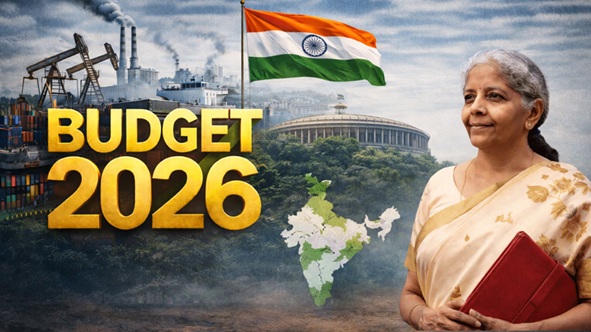
The Union Budget 2026 has reduced central allocations for urban development by 11.6%, triggering debate over the government’s commitment to India’s cities at a time of rapid urbanisation, infrastructure stress, and climate vulnerability.
Background: Urban Development in India – Context and Importance

Urban India lies at the heart of the country’s economic and social transformation:

  • Cities contribute nearly two-thirds of India’s GDP.
  • They function as hubs of employment, innovation, services, and governance.
  • Rapid urbanisation has placed enormous pressure on:
    • Housing,
    • Transport,
    • Water supply,
    • Sanitation,
    • Solid waste management, and
    • Urban governance systems.

The 74th Constitutional Amendment Act envisaged empowered municipalities with financial and functional autonomy. However, in practice, inadequate devolution of funds, functions, and functionaries has constrained the capacity of urban local bodies (ULBs).

To bridge this gap, the Centre introduced flagship schemes such as:

  • PMAY-Urban,
  • AMRUT,
  • Swachh Bharat Mission-Urban, and
  • Investments in urban mass transit.

These interventions aimed to create a minimum standard of urban services across Indian cities.

Urban Development Financing Framework

Urban development financing in India rests on four pillars:

  1. Central allocations through Centrally Sponsored Schemes (CSS),
  2. State government budgets,
  3. Municipal revenues (property tax, user charges, fees), and
  4. Borrowings and market instruments.

While capital-intensive projects such as metro rail have received consistent support, everyday urban services—such as:

  • Bus transport,
  • Footpaths,
  • Drainage,
  • Waste management, and
  • Informal housing—

depend on stable and predictable funding, which remains inadequate.

The growing impact of climate risks—including heatwaves, floods, and water scarcity—has further increased the need for resilient and adaptive urban infrastructure, making urban investment a macroeconomic imperative rather than merely a welfare concern.

Union Budget 2026: Overall Urban Allocation

The Union Budget 2026 has reduced total central outlay for urban development from ₹96,777 crore to ₹85,522 crore, a nominal cut of 11.6%.

  • After adjusting for inflation, the real decline in urban spending is even sharper.
  • This contraction comes at a time when:
    • Cities are absorbing large-scale migration,
    • Infrastructure systems are ageing, and
    • Climate-induced stresses are intensifying.

The reduction signals a shift in fiscal priorities, with urban development increasingly treated as a residual sector rather than a growth-critical investment area.

Skewed Spending Priorities within Urban Allocation

Despite the overall reduction, urban spending remains heavily skewed towards metro rail projects:

  • In 2026–27, metro and mass rapid transit systems account for ₹28,740 crore, nearly one-third of total urban allocations.

While metros are important for large cities, they are:

  • Capital-intensive,
  • Spatially limited, and
  • Primarily serve formal commuters.

By contrast, bus-based public transport, non-motorised transport, and last-mile connectivity—used by the majority of urban residents—receive relatively limited attention.

This reflects a policy bias towards high-visibility infrastructure over inclusive, scalable, and everyday mobility solutions.

Cuts in Flagship Urban Schemes

All major urban welfare and service delivery schemes have faced budgetary reductions:

  • Pradhan Mantri Awas Yojana–Urban (PMAY-U): Cut by nearly 6%, despite persistent housing shortages and expanding informal settlements.
  • Swachh Bharat Mission–Urban (SBM-U): Allocation halved, raising concerns about sustaining sanitation gains and waste processing infrastructure.
  • AMRUT: Reduced by 20%, even as cities face acute water stress and deteriorating water and sewerage infrastructure.

These cuts directly affect the quality of urban life and risk reversing progress in basic services.

Implications for Urban Governance and Economic Growth

The Budget does not offset reduced central spending through:

  • Greater fiscal devolution, or
  • Enhanced revenue-raising powers for municipalities.

As a result:

  • ULBs remain constrained in long-term planning,
  • Urban infrastructure investment slows,
  • Local service delivery becomes more uncertain.

At a macro level, weakening urban investment undermines India’s growth aspirations. Globally, successful development trajectories are built on well-funded, inclusive, and productive cities. Treating urban development as a cost centre rather than a growth engine risks long-term economic, social, and environmental consequences.

Way Forward: Reimagining Urban Development Policy

To realign urban development with India’s growth and sustainability goals, policymakers should:

  • Restore and expand central allocations for urban infrastructure and services.
  • Prioritise bus systems, walkability, and last-mile connectivity alongside metros.
  • Strengthen municipal finances through property tax reforms, user charges, and credit access.
  • Enhance fiscal devolution and empower ULBs with greater autonomy.
  • Integrate climate resilience into urban planning, infrastructure design, and budgeting.
  • Adopt a place-based, needs-driven approach rather than a one-size-fits-all model for cities.

Such reforms can reposition cities as engines of inclusive growth, social mobility, and climate resilience.

FAQs

Why is the reduction in urban allocations significant ?

Because cities drive economic growth and service delivery, and reduced funding can weaken infrastructure, governance, and long-term development outcomes.

Which urban schemes faced major budget cuts in 2026 ?

PMAY-Urban, Swachh Bharat Mission-Urban, and AMRUT have all seen significant reductions.

Why is spending on metro rail considered skewed ?

Metro systems are capital-intensive and serve limited populations, while mass everyday mobility needs—such as buses and non-motorised transport—remain underfunded.

How does reduced urban spending affect municipalities ?

It limits their ability to plan long-term projects, maintain infrastructure, and respond to local needs due to continued fiscal dependence.

What reforms are needed to strengthen urban development ?

Increased funding, greater fiscal devolution, stronger municipal revenues, inclusive mobility investments, and climate-resilient urban planning.

India’s New Fiscal Anchor: From Deficit Targets to Debt Sustainability

Prelims: (Economy + CA)
Mains: (GS 3 – Fiscal Policy, Budgeting, Federalism, Macroeconomic Stability)

Why in News ? 

As the Finance Minister prepares to present her ninth consecutive Union Budget, India’s fiscal framework is set for a structural shift. From FY 2026–27, the Centre will transition its fiscal consolidation anchor from the annual fiscal deficit to the debt-to-GDP ratio, aligning India’s fiscal strategy with global best practices.
This Budget will, for the first time, spell out the operational details of this new fiscal anchor for a full financial year.

Background: Why Shift the Fiscal Anchor ?

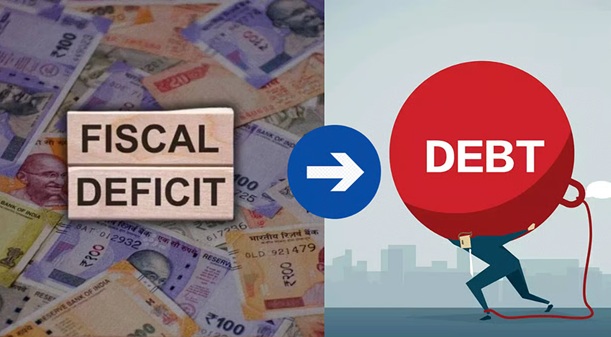
India’s fiscal policy has traditionally focused on controlling the fiscal deficit, a flow variable that measures the annual gap between government spending and revenue. While this approach promotes short-term discipline, it offers limited flexibility during economic shocks and does not directly capture long-term fiscal sustainability.

In contrast, the debt-to-GDP ratio is a stock variable that reflects the accumulated fiscal burden on the economy and is widely used internationally as a benchmark of fiscal health. Shifting to this anchor allows:

  • Greater counter-cyclical flexibility,
  • Smoother and more predictable consolidation, and
  • Sustained space for growth-enhancing public expenditure.

Expected Changes

  • Shift in anchor: From annual fiscal deficit targets to a medium-term debt-to-GDP ratio.
  • Rationale:
    • Enhances flexibility to respond to economic shocks,
    • Enables gradual and credible fiscal consolidation, and
    • Creates space for development-oriented spending without compromising long-term stability.

Key Projections and Targets (Debt Trajectory)

  • The Centre projects its debt-to-GDP ratio to decline to 50 ± 1% by March 2031, from an estimated 56.1% in March 2026.
  • Most economists expect the Budget to peg the ratio at around 55% of GDP for FY27.
  • Achieving this implies a steady annual reduction of roughly 1 percentage point in the debt ratio.

This trajectory signals a clear commitment to long-term fiscal sustainability while avoiding abrupt fiscal tightening.

Fiscal Deficit Implications

  • A one percentage point annual reduction in the debt ratio translates into a fiscal deficit of about 4.2% of GDP in FY27.
  • Despite this moderation, gross borrowings will remain high due to:
    • Large repayment obligations, and
    • Future liabilities such as the implementation of the 8th Pay Commission.

Thus, even with improved debt metrics, borrowing requirements will stay elevated, requiring prudent debt management.

Role of Growth and Borrowings

The debt-to-GDP ratio is shaped by three key factors:

  1. Nominal GDP growth (denominator effect) :  Faster growth automatically lowers the debt ratio even if deficits remain moderate.
  2. Borrowing and repayment profile : The scale, maturity, and rollover structure of debt influence sustainability.
  3. Interest costs :  These are likely to ease with softer monetary conditions, improving fiscal arithmetic.

Debt sustainability improves more rapidly when nominal growth is high, underscoring the importance of growth-oriented fiscal and structural policies.

Economic Survey 2025–26: Validation of the Strategy

The Economic Survey 2025–26 endorses the new approach:

  • India has reduced general government debt by around 7.1 percentage points since 2020, even while sustaining high public capital expenditure.
  • The Survey supports 50 ± 1% debt-to-GDP as a credible and appropriate medium-term fiscal anchor.

This provides analytical backing for the shift from deficit to debt as the primary fiscal metric.

General Government Debt and the Role of States

Why States Matter

Global rating agencies assess India’s fiscal health using general government debt, which includes both Central and State government debt.

  • States account for a significant share of total public debt.
  • While the Centre will detail its debt-linked fiscal path, states’ fiscal behaviour will increasingly come under scrutiny.

Emerging View

  • States may need explicit, medium-term debt-to-GSDP glide paths.
  • The policy focus should shift from annual deficit ceilings to scenario-based debt trajectories, reflecting growth, interest rates, and fiscal risks.

Finance Commission and Federal Fiscal Architecture

The recommendations of the 16th Finance Commission (covering FY 2026–27 to FY 2030–31) will be critical in shaping:

  • Tax devolution formulas,
  • Revenue-sharing mechanisms, and
  • Possible fiscal parameters for states.

The Chief Economic Adviser, V. Anantha Nageswaran, has emphasised:

  • The need for empirical analysis and scenario modelling, and
  • Avoiding premature adoption of a uniform fiscal metric for all states.

This reflects the diversity in states’ fiscal capacities, development needs, and growth trajectories.

RBI’s Concerns on State Finances

The Reserve Bank of India (RBI) has cautioned that high public debt crowds out private investment and restrains growth.

  • Combined state debt declined from 31% of GDP (March 2021) to 28.1% (March 2024).
  • However, it is projected to rise again to 29.2% by the end of the current fiscal.

The RBI has urged highly leveraged states to adopt clear debt consolidation glide paths to prevent fiscal stress and macroeconomic spillovers.

Rising State Borrowings

State borrowings have risen significantly over the past two decades:

  • In the first half of the current fiscal, states borrowed 21% more than in the same period of the previous year.
  • States are slated to borrow around ₹5 lakh crore in the current quarter ending March 31.

Historical Context

  • A major surge in state debt occurred during 2015–20, partly due to the UDAY power sector reforms, under which states absorbed large amounts of DISCOM debt.

This legacy continues to shape state fiscal positions and borrowing needs.

Centre’s Fiscal Position Going Ahead

  • The Centre is on track to meet its commitment of keeping the fiscal deficit below 4.5% of GDP by FY26, despite recent tax cuts.
  • However, going forward:
    • Income tax reductions and
    • GST rate rationalisation
  • may exert pressure on revenue, complicating deficit management.

FY27 Expectations

  • Debt-to-GDP ratio: ~55%
  • Fiscal deficit: ~4.3–4.4% of GDP

These targets reflect a careful balancing of consolidation and growth imperatives.

Challenges and Way Forward

To ensure the success of the new fiscal framework, India must address several challenges:

  • Managing high gross borrowings even as deficit ratios decline.
  • Institutionalising the debt-to-GDP ratio as the primary fiscal anchor across government levels.
  • Ensuring state-level fiscal discipline without undermining cooperative federalism.
  • Balancing development expenditure with long-term debt sustainability.
  • Adopting scenario-based fiscal planning instead of rigid annual targets.
  • Preparing for future liabilities such as Pay Commissions and welfare commitments.
  • Leveraging higher nominal GDP growth and lower interest costs to rebuild fiscal buffers.
  • Strengthening Centre–State coordination, especially after the 16th Finance Commission’s recommendations.

FAQs

What is the new fiscal anchor India is adopting ?

India is shifting from targeting the fiscal deficit to targeting the debt-to-GDP ratio as the primary fiscal anchor.

Why is the debt-to-GDP ratio considered a better anchor ?

It reflects long-term fiscal sustainability, allows greater flexibility during economic shocks, and aligns India with global best practices.

What is the Centre’s debt target under the new framework ?

The Centre aims to reduce its debt-to-GDP ratio to 50 ± 1% by March 2031, with an interim target of about 55% in FY27.

Why are states important in this fiscal shift ?

Because general government debt includes both Centre and state debt, and states account for a large share of total public borrowing.

What are the main challenges in implementing the new fiscal framework ?

Managing high borrowings, ensuring state fiscal discipline, handling future liabilities, and balancing growth needs with debt sustainability.

PM-POSHAN Scheme: Strengthening School Nutrition and Support Staff Welfare

Prelims: (Polity & Governance + CA)
Mains: (GS 2 – Governance, Education, Welfare Schemes, Child Development)

Why in News ?

Recently, 22 States and Union Territories that responded to the Ministry of Education’s call for feedback on the PM-POSHAN scheme have urged the Centre to increase the honorarium for cooks and helpers, highlighting concerns over low remuneration and workforce sustainability in one of India’s largest school nutrition programmes.

Background: Evolution of India’s School Nutrition Programme

India’s school meal programme began in the mid-1990s to address widespread child malnutrition and low school attendance among disadvantaged groups. Over time, it evolved into a comprehensive social welfare intervention linking nutrition, education, and social equity.

The scheme was rechristened as PM-POSHAN in 2021, reflecting an expanded scope, updated nutritional norms, and a renewed policy focus on early childhood education and holistic child development.

What is the PM-POSHAN Scheme ?

The PM-POSHAN Scheme, formerly known as the Mid-Day Meal Scheme, is a Centrally Sponsored Scheme implemented by the Ministry of Education.

Key features include:

  • Coverage of all eligible children without discrimination based on gender, caste, class, or religion.
  • Provision of one hot cooked meal per school day to children studying in:
    • Balvatikas (pre-primary classes), and
    • Classes 1 to 8 in government and government-aided schools.

It is among the world’s largest school feeding programmes, playing a central role in India’s human capital development strategy.

Objectives of the Scheme

The PM-POSHAN Scheme aims to:

  • Enhance the nutritional status of school-going children.
  • Improve enrollment, retention, and attendance, especially among children from disadvantaged and vulnerable backgrounds.
  • Support cognitive development and learning outcomes by addressing classroom hunger.
  • Promote social equity by encouraging children from diverse backgrounds to eat together.

Implementation Mechanism and Coverage

The scheme is implemented through:

  • State governments and Union Territory administrations, in partnership with:
    • School management committees,
    • Local self-government institutions,
    • Women’s self-help groups, and
    • NGOs in some regions.

Meals are prepared either:

  • On school premises, or
  • Through centralized kitchens where feasible.

The scheme currently covers millions of children across rural, urban, and tribal areas, making it a cornerstone of India’s school education ecosystem.

Funding Pattern Under PM-POSHAN

The cost-sharing arrangement under the scheme is:

  • 60:40 between the Centre and States/UTs with legislatures.
  • 90:10 for Northeastern and Himalayan States.
  • 100% central funding for UTs without legislatures.

This flexible funding structure recognises regional disparities in fiscal capacity and development needs.

Recent Demand: Honorarium for Cooks and Helpers

Cooks and helpers are the backbone of the PM-POSHAN Scheme, responsible for:

  • Preparing meals,
  • Maintaining hygiene and food safety,
  • Serving children daily.

However, their honorarium remains low and often irregular, prompting 22 States and UTs to request an increase. This demand reflects concerns over:

  • Rising cost of living,
  • Workforce motivation and retention, and
  • Ensuring consistent meal quality and safety.

Challenges in the PM-POSHAN Scheme

Despite its scale and impact, the scheme faces several challenges:

  • Low remuneration and job insecurity for cooks and helpers.
  • Variations in meal quality and nutritional adequacy across regions.
  • Infrastructure gaps, such as lack of kitchens, storage facilities, and clean water.
  • Monitoring and accountability issues, especially in remote and rural areas.
  • Occasional food safety incidents, underscoring the need for stronger standards and training.

Way Forward: Strengthening School Nutrition and Workforce Support

To enhance the effectiveness and sustainability of PM-POSHAN, policymakers should:

  • Increase and index honoraria of cooks and helpers to inflation.
  • Provide social security benefits such as health insurance and pension coverage.
  • Invest in kitchen infrastructure, clean fuel, and safe water facilities.
  • Strengthen nutrition standards, menu diversity, and local food sourcing.
  • Improve monitoring mechanisms, including digital tracking and community oversight.
  • Integrate the scheme more closely with health, sanitation, and early childhood development programmes.

Such reforms can ensure that PM-POSHAN continues to serve as a powerful instrument for improving nutrition, education outcomes, and social equity.

FAQs

What is the PM-POSHAN Scheme ?

It is a centrally sponsored school nutrition programme providing one hot cooked meal per school day to children in Balvatikas and Classes 1–8 in government and government-aided schools.

Which ministry implements PM-POSHAN ?

The Ministry of Education implements the scheme.

Why are States demanding a hike in honorarium for cooks and helpers ?

Due to low pay, rising living costs, and concerns about workforce motivation and retention.

What is the funding pattern under the PM-POSHAN Scheme ?

60:40 between Centre and States, 90:10 for Northeastern and Himalayan States, and 100% central funding for UTs without legislatures.

What are the main objectives of PM-POSHAN ?

Improving children’s nutrition, boosting school enrollment and attendance, and supporting learning outcomes, especially for disadvantaged groups.

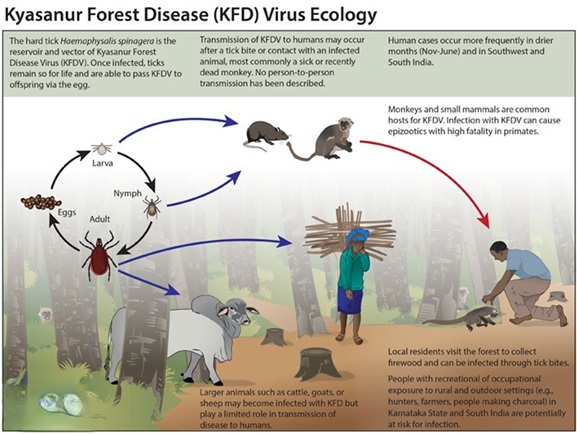
What is Kyasanur Forest Disease (KFD)?

  • The recent death of a 29-year-old man in Karnataka has once again brought Kyasanur Forest Disease (KFD) into the spotlight.
  • This disease often remains unnoticed until it turns severe or fatal.
  • It is commonly known as “Monkey Fever” because outbreaks are frequently associated with sudden deaths of monkeys in forested areas.

What is Kyasanur Forest Disease (KFD) ?

Kyasanur Forest Disease is a tick-borne viral hemorrhagic disease found mainly in forest regions of southern India.

  • It was first identified in 1957 in the Kyasanur forest area of Karnataka.
  • The disease is named after this location.
  • KFD is caused by the KFD virus, which belongs to the Flaviviridae family and the Flavivirus genus.
  • The virus is part of the Tick-Borne Encephalitis (TBE) complex.

Why is it called “Monkey Fever” ?

  • During KFD outbreaks, sudden deaths of monkeys are commonly reported in forest areas.
  • Sick or dead monkeys often act as an early warning sign of virus circulation in that region.
  • Because of this strong association, local communities refer to KFD as Monkey Disease / Monkey Fever.

Transmission

KFD does not spread from person to person, but circulates through a natural transmission cycle.

Main Vector:

  • Hard ticks (Haemaphysalis spinigera) — the primary carrier of the virus.

How does infection occur ?

  • Through the bite of an infected tick
  • By direct contact with infected animals, especially sick or recently dead monkeys
  • People working in forests, grasslands, or areas with dense leaf litter are at higher risk

Important: KFD is not transmitted between humans.

Symptoms of Kyasanur Forest Disease

Symptoms usually appear within 3–8 days after infection and may start suddenly.

Early symptoms:

  • High fever
  • Extreme weakness
  • Headache and muscle pain
  • Nausea, vomiting, and diarrhea

Severe cases may show:

  • Hemorrhagic symptoms (bleeding from nose or gums)
  • Neurological complications (tremors, confusion, loss of consciousness)
  • In some patients, a second phase (relapse) of illness

If not treated in time, KFD can be fatal.

Treatment

  • There is no specific cure for Kyasanur Forest Disease.
  • Treatment is entirely based on supportive care, which includes:
    • Maintaining fluid and electrolyte balance
    • Oxygen support
    • Blood pressure management
    • Treatment of secondary infections
    • ICU care in severe cases

Vaccination

The good news is that:

  • A vaccine for KFD is available in India.
  • It is recommended in endemic areas such as parts of Karnataka, Goa, Maharashtra, Kerala, and Tamil Nadu.
  • The vaccination schedule generally includes two primary doses followed by booster doses.

Prevention Measures

  • Wear full-length protective clothing while entering forest areas
  • Use tick-repellent sprays or creams
  • Avoid touching sick or dead monkeys
  • Ensure regular vaccination for people living in or visiting endemic areas
  • Report unusual monkey deaths immediately to local authorities

What is the Zapotec Civilization?Introduction, Geographical, Political & Social Structure, and Historical Significance

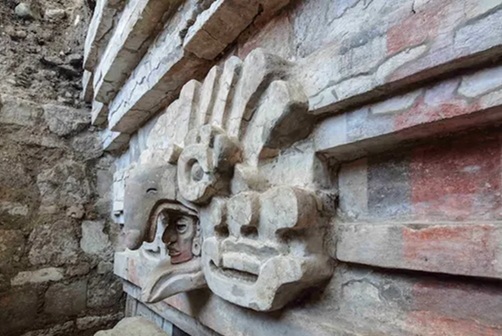
Recently, archaeologists in Mexico discovered a 1,400-year-old Zapotec tomb, bringing this ancient civilization back into global focus.
The tomb contains:

  • A large-eyed owl sculpture with a human figure in its beak
  • Polychrome wall murals
  • Calendar-related carvings

These findings highlight the religious beliefs, artistic sophistication, and scientific understanding of the Zapotec people.
Introduction to the Zapotec Civilization

The Zapotec Civilization was one of the major ancient civilizations of Mesoamerica.
It developed primarily in the Oaxaca Valley in present-day southern Mexico.

The Zapotecs are well known for:

  • An organized political system
  • Strong religious institutions
  • Early writing systems
  • Advanced calendar knowledge

Geographical Setting

  • The core region of Zapotec civilization was the Oaxaca Valley
  • The valley lies at a high elevation
  • Agriculture depended heavily on the Atoyac River and its tributaries
  • Despite limited natural resources, the Zapotecs developed:
    • Efficient irrigation systems
    • Advanced land management techniques

From Hunter-Gatherers to an Agricultural Society

Initially, the Zapotecs lived as hunter-gatherers, but over time they transitioned to settled agriculture:

  • Cultivated crops such as maize, beans, and squash
  • Developed skills in:
    • Weaving
    • Pottery-making
    • Stone masonry
  • Established permanent settlements, which strengthened social organization and political control

Political Development and Monte Albán

By the Classic Period (around 200 BCE – 100 CE), the Zapotecs formed a highly centralized state. Their capital was: Monte Albán

Key features of Monte Albán:

  • A planned city built on a hilltop
  • Monumental pyramids, temples, plazas, and administrative buildings
  • A powerful center of political, religious, and military authority
  • A clear social hierarchy existed, separating:
    • The elite and ruling class
    • The common population

Social Structure and Religion

  • Society included a professional priestly class
  • Religion was state-sponsored
  • Religious practices involved:
    • Human sacrifice
    • Complex ritual ceremonies
    • Symbolic representations, such as the owl (associated with death and the underworld)

Religion was not only a matter of faith but also a tool to legitimize political authority.

Writing and Calendar Systems

The Zapotecs made major intellectual contributions to Mesoamerican culture:

  • Developed a glyph-based writing system
  • Created calendar systems used for:
    • Religious rituals
    • Agricultural cycles
    • Scheduling state ceremonies

These innovations influenced later civilizations such as the Mixtecs and Mayans.

Historical Significance

  • The Zapotec state was among the earliest examples of centralized governance in Mesoamerica
  • It demonstrated that:
    • Complex administration
    • Organized religion
    • Scientific and intellectual advancement could develop simultaneously
  • Recent tomb discoveries confirm that Zapotec civilization was not only politically powerful, but also artistically and spiritually rich

Pechora Missile System (S-125 Neva/Pechora): A Strong Pillar of India’s Air Defence

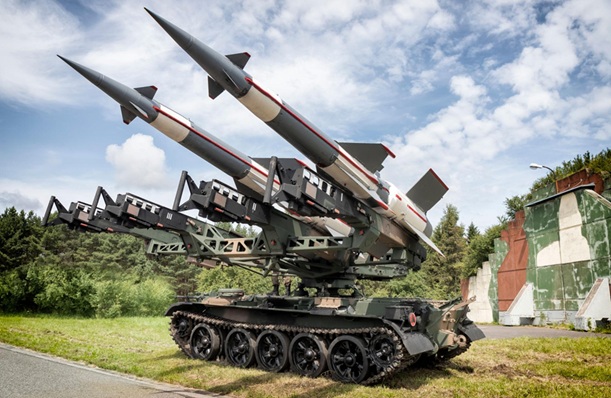
Recently, Bengaluru-based defence equipment manufacturer Alpha Design Technologies Limited (ADTL) has successfully completed a major modernisation (upgrade) program of the Indian Air Force’s Pechora Surface-to-Air Missile (SAM) system. This achievement aligns closely with the Government of India’s policy of indigenisation and modernising legacy military hardware.

What is the Pechora Missile System ?

  • The Pechora, officially known as the S-125 Neva/Pechora, is a medium-range surface-to-air missile system originally developed by the Soviet Union.
  • Its primary role is to neutralise aerial threats flying at low to medium altitudes.
  • The system has been part of India’s air-defence network for several decades and, after upgrades, continues to play an effective operational role.

Key Technical Features

1. Missile and Launcher

  • The system consists of radar-guided missile launchers and a fire-control unit.
  • It typically employs V-600 series missiles (5V24 / 5V27).

2. Advanced Radar System

  • Equipped with the 4R90 “Yatagan” radar.
  • The radar uses five parabolic antennas.
  • Core functions include:
    • Detection of targets
    • Tracking
    • Target lock-on and guidance

3. Effective Against Low-Altitude Threats

  • Especially effective against:
    • Drones
    • Cruise missiles
    • Slow-moving fighter aircraft

4. Capability in Electronic Warfare Environments

  • Designed to operate even in heavy electronic warfare (EW) and jamming conditions.
  • Can be deployed independently or as part of an integrated air-defence network.

Operational Capabilities

Capability

Details

Firing range

30 – 35.4 km

Minimum altitude

20 metres

Maximum altitude

20 – 25 km

Radar detection range

100 km

These parameters enable the system to counter threats at both low and medium altitudes.

Significance in the Indian Context

  • The upgrade carried out by ADTL:
    • Enhances system reliability
    • Extends its service life
    • Makes it suitable for modern aerial threat environments
  • This initiative strongly supports:
    • Aatmanirbhar Bharat (Self-Reliant India)
    • Make in India
    • Reduction in defence imports

Overall, the modernised Pechora system continues to strengthen the confirming role of the Indian Air Force in safeguarding India’s airspace.

« »
  • SUN
  • MON
  • TUE
  • WED
  • THU
  • FRI
  • SAT
Have any Query?

Our support team will be happy to assist you!

OR
X