| (Preliminary Examination: Current Affairs) (Main Examination, General Studies Paper 3: Science and Technology—Developments and Applications and Their Impact on Everyday Life.) |
Increasing industrialization, urbanization, and uncontrolled disposal of solid and liquid waste in India have led to serious environmental pollution. Sustainable alternatives are now needed to purify rivers, soil, groundwater, and air, and to move beyond traditional techniques. In this context, bioremediation is emerging as an important solution.
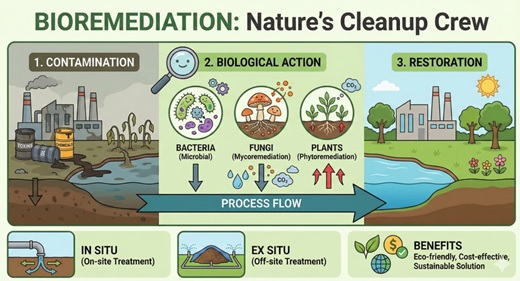
1.In-situ Bioremediation
2. Ex-situ Bioremediation
Importance
Key Challenges
Way Forward
| (Prelims: Current Affairs) (Mains, General Studies Paper 2: Welfare schemes for vulnerable sections of the population by the Centre and States and their performance; topics related to the development and management of social sectors/services related to health, education, and human resources.) |
Recently, India released the National Action Plan on Antimicrobial Resistance (NAP-AMR 2.0), designed for the period 2025–29. This plan comes at a time when antimicrobial resistance (AMR) is affecting human health, animal health, agriculture, fisheries, the food chain, and the environment.

|
Also Know! One Health is an integrated approach that recognizes the interconnected health of humans, animals, plants, and the environment and strives to balance and optimize them together. It aims to improve the health of people, animals, and ecosystems through collaborative efforts across multiple disciplines. This approach is particularly important for preventing new and emerging diseases, combating antibiotic resistance, and ensuring food safety. |
Significance
Concerns
Challenges
Way Forward
Conclusion
NAP-AMR 2.0 offers a scientifically, strategically, and administratively robust framework for India. However, its success lies in the shared commitment and coordination between the Centre and the states. If active state participation is ensured, financial and administrative incentives are provided, and the multi-sectoral 'One Health' framework is effectively implemented, NAP-AMR 2.0 could provide a decisive turning point in India's AMR fight. Otherwise, this plan risks remaining merely a document.
A Postal Ballot is a method of voting in which an eligible voter casts their vote without visiting the polling booth, by sending the ballot paper through post or through a mechanism notified by the Election Commission of India (ECI). It ensures voting rights for those who cannot physically reach the polling station due to service, age, health, or official duties.
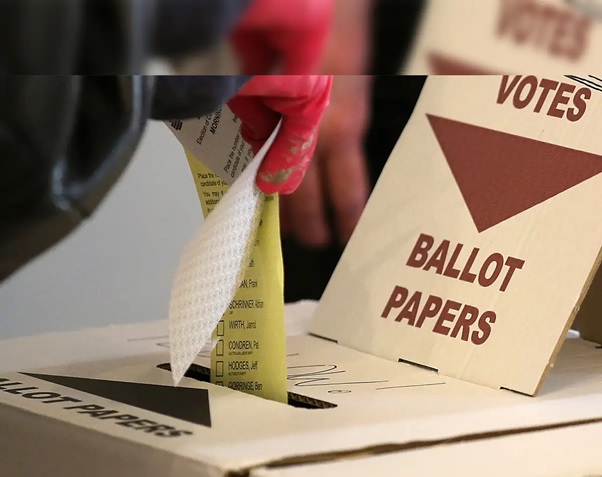
The system of Postal Ballot is governed by:
1. Service Voters
2. Voters on Election Duty
3. ‘Absentee Voters’ Category
Eligible for Vote from Home using Form 12D:
4. Undertrial Detainees
5. Voters in Essential Services (as notified by ECI)
Step 1: Application
Step 2: Verification
Step 3: Issue of Ballot Materials
Voter receives:
Step 4: Casting the Vote
Step 5: Returning the Ballot
Step 6: Counting of Votes
ETPBS – Electronically Transmitted Postal Ballot System
The ECI has introduced ETPBS for service voters to speed up the process.
Features
1. Inclusive Democracy
Ensures voting rights of:
2. Higher Voter Turnout
Enables participation even when physical voting is not possible.
3. Upholds Universal Adult Franchise (Article 326)
Expands accessibility and democratic participation.
4. Useful During Emergencies
Widely used during COVID-19 and natural disasters.
1. Remote / Digital Voting
To include migrant workers and NRI voters.
2. Expansion of ETPBS
More categories of voters can be included.
3. Strengthening Postal & Logistics Systems
4. Better Security Protocols
5. Awareness Campaigns
Educating voters about:
| Prelims: (Economy + CA) Mains: (GS 2 – Governance; GS 3 – Economy) |
India’s rupee breached the ₹90-per-dollar mark for the first time, rattling financial markets and deepening concerns about the country’s external sector outlook. The currency has already weakened over 5% in 2025, signaling sustained domestic and global pressures, including a strong US dollar, widening trade deficit, and uncertainty around the India–US trade agreement.
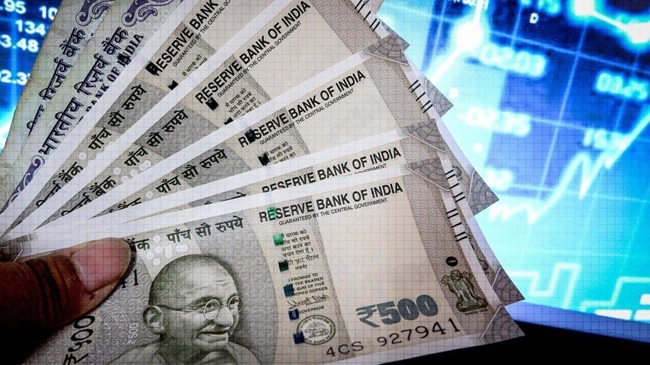
A Psychological Threshold Broken
The rupee’s fall below ₹90—a key psychological and technical barrier—has prompted concerns of further depreciation toward ₹91–92, as automated buy-stop orders get triggered in currency markets.
Despite several positive macro indicators:
Why Is the Rupee Weakening?

Export Decline
India’s merchandise exports declined 11.8% YoY in October 2025 to $34.4 billion, driven by:
Import Surge
Imports rose 16.6% YoY to a record $76.1 billion, led by:
Why Is the Trade Gap Widening?
Impact on the Rupee
A widening trade deficit increases demand for dollars and puts persistent downward pressure on the rupee, worsening the balance-of-payments situation.
Markets remain uneasy due to the lack of clarity on the long-awaited India–US Trade Agreement.
Without a Trade Deal:
Until the agreement is finalized, the rupee is likely to remain under pressure as a “market-adjusted shock absorber.”
FPI Outflows Since January 2025:
Foreign Portfolio Investors have pulled out ₹1.48 lakh crore, citing:
Why FPIs Are Selling Despite Strong Macro Indicators?
Persistent FPI selling raises dollar demand, accelerating rupee depreciation.
Soft-Touch RBI Strategy
Economists suggest that RBI is not actively weakening the rupee, but is allowing it to move with global trends while curbing excess volatility.
Behavioural Market Factors
RBI appears to be striking a balance: letting the rupee find its level while preventing disorderly volatility.
FAQs1. Why is the ₹90-per-dollar level considered important? It is a psychological and technical barrier that influences trading behavior. Breaching it can trigger market reactions, accelerating depreciation. 2. Will the rupee continue to weaken? If trade deficits widen, FPIs keep exiting, and the India–US trade deal remains uncertain, the rupee may test newer lows. 3. Does a weaker rupee benefit the economy? It helps exports become more competitive but increases the cost of imports like fuel, electronics, and gold, raising inflation risks. 4. Is RBI deliberately weakening the rupee? No. RBI is allowing a market-driven depreciation while intervening only to curb excessive volatility. 5. How do gold imports affect the rupee? High gold imports increase dollar demand, worsening the current account deficit and putting downward pressure on the rupee. |
| Prelims: (Health + CA) Mains: (GS 2 - Governance; GS 3 - Science & Technology) |
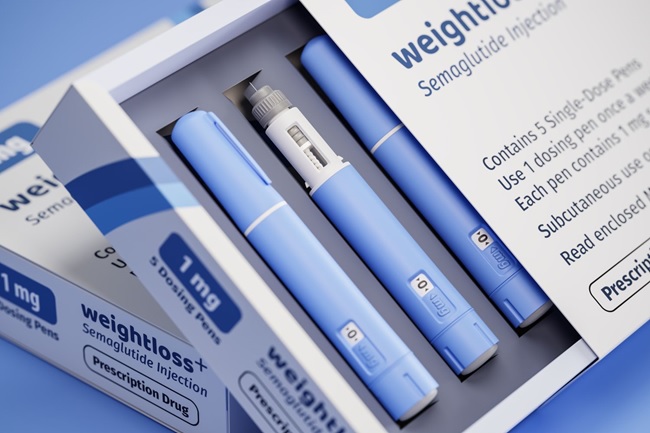
The World Health Organization (WHO) has released its first-ever global guidelines on the use of GLP-1 receptor agonist drugs for weight loss. These drugs have rapidly gained global popularity for obesity management, including in India.
What Are They?
GLP-1 (Glucagon-Like Peptide-1) receptor agonists are synthetic, laboratory-developed versions of the natural GLP-1 hormone. They were originally designed for type-2 diabetes, but are now widely used as anti-obesity medications in adults.
Mode of Use:
Examples:
Both are available in India and have significantly changed obesity and diabetes management.
GLP-1 receptor agonists mimic the action of the natural GLP-1 hormone and work through several mechanisms:
1. Increase Insulin Release
2. Reduce Glucagon Production
3. Slow Gastric Emptying
4. Suppress Appetite
1. A Naturally Occurring Incretin Hormone
2. Dual Role – Hormone & Neurotransmitter
3. Secreted From:
4. How It Regulates Blood Sugar
Once released, GLP-1:
Although the detailed WHO guidelines apply mostly to adults with obesity, their intent is to:
FAQs1. Are GLP-1 drugs safe for long-term use? Clinical studies show they are effective, but long-term safety still requires continuous monitoring due to possible gastrointestinal and pancreatic risks. 2. Can GLP-1 drugs cure obesity? No. Obesity is a chronic condition. GLP-1 drugs help reduce weight but require lifestyle changes for sustained results. 3. Are these drugs available in India? Yes, both Semaglutide and Tirzepatide are available under medical prescription. 4. Can these drugs be used by everyone? No. They are not recommended for:
5. Why are some people calling these “miracle weight-loss injections”? Because they can reduce body weight by 10–20%, which is far higher than traditional diet or exercise-based interventions alone. |
| Prelims: (Polity + CA) Mains: (GS 1 - Society; GS 2 – Governance) |
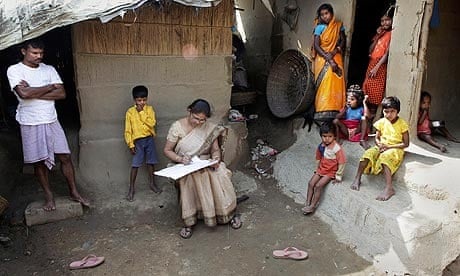
The Government of India has announced that the 8th Economic Census (EC) will be conducted in 2027, immediately following the two-phase Population Census scheduled for 2026–27. The new EC aims to build a modernised and unified Statistical Business Register (SBR) for improved national-level economic planning.
Definition
The Economic Census is a complete enumeration of all establishments engaged in the production or distribution of goods and services other than for purely personal/household consumption.
Conducting Agencies
Historical Background
1. Creation of a Unified Statistical Business Register (SBR)
2. Improved Economic Data Accuracy
The SBR enables accurate tracking of business dynamics—closures, new enterprises, sectoral shifts—leading to stronger evidence-based policymaking.
3. Enhanced National Accounts Estimates
Accurate establishment-level data will support:
About the Census
India’s Population Census is the largest administrative exercise in the world.
Legal Basis
Administrative Structure
Significance
Provides granular data at village, town, ward and district levels on:
Historical Context
A combined cycle of population and economic enumeration helps:
FAQs1. What is the main difference between the Economic Census and the Population Census?
2. Who will conduct the 8th EC? MoSPI’s NSO, in coordination with state DES departments. 3. Why is the Statistical Business Register important? It serves as a master database of enterprises for surveys, GDP calculations, MSME policies, labour assessments, and industrial planning. 4. Will the 2027 Census include caste enumeration? The government has not announced this. The Census questionnaire will determine inclusion of caste-related data. 5. When was the last Economic Census conducted? The 7th EC was conducted in 2019, using digital enumeration for the first time. |
| Prelims: (Geography +CA) Mains: (GS 1 - Indian Heritage & Culture, Geography; GS 3 – Economy) |
Five culturally significant and region-specific products from Tamil Nadu have recently been awarded the Geographical Indications (GI) Tag, strengthening their market identity, safeguarding artisan livelihoods, and promoting traditional heritage.

A Geographical Indication is an intellectual property right used for products that originate from a specific geographical region and possess qualities, reputation, or characteristics linked to that location.
1. Woraiyur Cotton Sari
Location: Woraiyur & Manamedu, Tiruchirappalli District
Key Features:
2. Thooyamalli Rice
Meaning: Thooyamalli translates to “Pure Jasmine”.
Characteristics:
3. Kavindapadi Naatu Sakkarai (Jaggery Powder)
Region: Kavindapadi, Erode District
Highlights:
4. Namakkal Kalchatti (Soapstone Cookware)
Region: Namakkal District
Features:
5. Ambasamudram Choppu Saman (Wooden Toys)
Origin: Ambasamudram, Tirunelveli District
About:
FAQs1. What is the purpose of granting GI tags? To protect region-specific products from imitation, ensure fair trade, preserve traditional knowledge, and boost local economic development. 2. How long is a GI registration valid? A GI tag is valid for 10 years and can be renewed indefinitely. 3. Which state in India holds the highest number of GI products? Tamil Nadu is among the top states, along with Karnataka and Kerala, in GI registrations. 4. Are GI tags granted only for agricultural products? No. GI tags cover agricultural goods, handicrafts, manufactured products, textiles, food items, etc. 5. How does a GI tag benefit artisans and farmers? It prevents misuse of the product’s name, ensures quality authenticity, raises market value, and supports rural employment. |
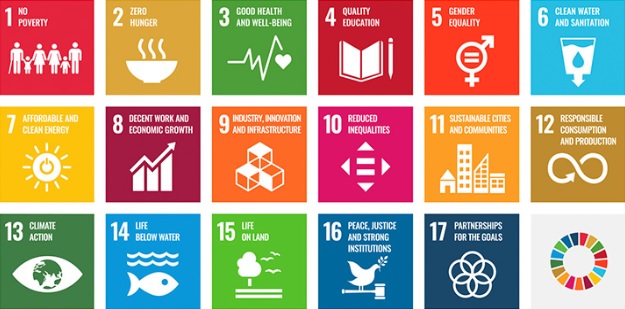
In 2015, the United Nations adopted the 2030 Agenda for Sustainable Development, introducing 17 Sustainable Development Goals (SDGs) and 169 targets to address global challenges such as poverty, inequality, hunger, health crises, climate change, and environmental degradation. The SDGs are universal, meaning they apply equally to developed, developing, and least developed countries.
Their guiding principle is “Leave No One Behind.”
India plays a central role in the global success of the SDGs because:
Top Performers
Their success is driven by:
Global Challenges
India’s SDG Index Score (2025): 67/100
India’s Global Rank: 99th
Achievements
Key Schemes
Analysis
India has made substantial progress in reducing both income poverty and multidimensional poverty (health, education, living standards).
Achievements
Major Contributions
Critical View
Achievements
Key Schemes
Challenges
Achievements
Digital Interventions
Challenges
Achievements
Challenges
Achievements
Challenges
Achievements
Challenges
Achievements
Challenges
In the past decade, India has made commendable progress in:
While India outperforms global averages in several areas, significant challenges remain—regional disparities, environmental pressures, financial limitations, and institutional capacity gaps.
If India strengthens cooperative federalism, financial innovation, environmental sustainability, and data-driven governance, it can not only meet most SDGs by 2030 but also present a new model of development for the world.
| (UPSC GS-1, GS-3: Environment, Water Resources & Resource Management) |
India is among the world’s largest users of groundwater. A major share of drinking water, agriculture, and industrial needs is fulfilled through groundwater. Hence, assessing its quality is crucial. The Annual Groundwater Quality Report 2025, released by the Central Ground Water Board (CGWB), presents the current status, major contaminants, and regional patterns of groundwater pollution across India.
1. Overall Quality Status
Why this matters
→ Over 80% of rural drinking water in India depends on groundwater. Any deterioration in quality directly threatens public health and water security.
(A) Nitrate – The Most Widespread Contaminant
Main sources
Health impacts
→ Blue Baby Syndrome, cancer risks, thyroid issues.
(B) Uranium Contamination
Source
→ Mostly geogenic (leaching from rocks), but aggravated by groundwater over-extraction.
(C) Salinity (Electrical Conductivity)
Highly affected regions
Causes
→ Over-pumping, low recharge, seawater intrusion in coastal areas.
(D) Fluoride
Worst-affected state
→ Rajasthan
Health impacts
→ Dental and skeletal fluorosis.
(E) Lead (Pb)
Health impacts
(F) Other Contaminants
|
Category |
Details |
|
Headquarters |
Faridabad, Haryana |
|
Established |
1970 (renamed from Exploratory Tube Well Organization) |
|
Ministry |
Ministry of Jal Shakti |
|
Functions |
Groundwater assessment, exploration, monitoring, regulation |
|
Authority |
Also functions as CGWA under the Environment Protection Act, 1986 |
(i) Environmental–Health–Agriculture Linkages
Groundwater pollution affects health (nitrate, fluoride, arsenic), drinking water access, and food security.
(ii) Climate Change Impact
Lower recharge in drought-prone regions increases contaminant concentration.
(iii) Groundwater Over-extraction
~14% of India’s blocks are “over-exploited”, increasing geogenic contaminant mobilization.
1. Nitrate Management
2. Uranium/Fluoride Reduction
3. Salinity Control
4. Urban Groundwater Safety
The CGWB Groundwater Quality Report 2025 shows that while most groundwater in India is safe, contaminants like nitrate, uranium, fluoride, arsenic, and salinity pose serious regional challenges. Ensuring groundwater safety requires scientific management, recharge enhancement, better farming practices, and strict control of pollution sources. The report offers valuable insights for policy formulation, sustainable water management, and long-term water security.

Our support team will be happy to assist you!


 Contact Us
  New Batch : 9555124124/ 7428085757
  Tech Support : 9555124124/ 7428085757