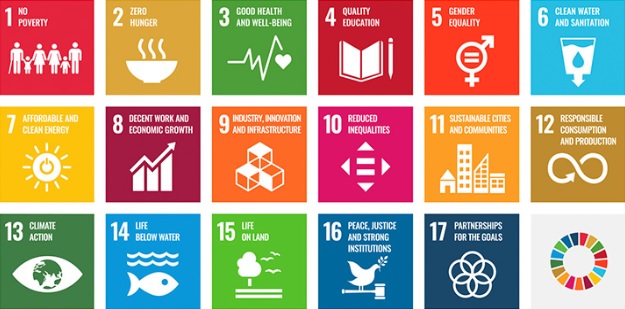
In 2015, the United Nations adopted the 2030 Agenda for Sustainable Development, introducing 17 Sustainable Development Goals (SDGs) and 169 targets to address global challenges such as poverty, inequality, hunger, health crises, climate change, and environmental degradation. The SDGs are universal, meaning they apply equally to developed, developing, and least developed countries.
Their guiding principle is “Leave No One Behind.”
India’s Importance in SDG Achievement
India plays a central role in the global success of the SDGs because:
- 17% of the world’s population lives in India.
- 11% of the world’s poor reside in India.
- India’s performance shapes the global averages in development, environment, and climate indicators.
Global Progress: SDR 2025 Highlights
Top Performers
- Finland (87)
- Sweden
- Denmark
Their success is driven by:
- Robust public health systems
- High social expenditure
- Clean energy policies
- Comprehensive social security
- Strong digital governance models
Global Challenges
- Only 17% of SDG targets are on track to be achieved by 2030
- Climate-related targets largely off-track
- COVID-19 reversed education and health gains in nearly 50% of countries
- Conflicts (Ukraine–Russia, West Asia) slowed global progress
India’s Progress: Detailed Analysis
India’s SDG Index Score (2025): 67/100
India’s Global Rank: 99th
SDG 1: No Poverty
Achievements
- 135 million people exited multidimensional poverty (2015–16 to 2019–21) — one of the fastest reductions globally.
Key Schemes
- PMGKY, PM-Awas Yojana
- PM-Ujjwala Yojana
- PMJDY (financial inclusion)
- MGNREGA
Analysis
India has made substantial progress in reducing both income poverty and multidimensional poverty (health, education, living standards).
SDG 2: Zero Hunger
Achievements
- Malnutrition rate: 13.7% (2021–23)
- Decline in child stunting and wasting
Major Contributions
- PM-POSHAN
- ICDS, POSHAN Abhiyan
- National Food Security Act: Free ration to 80 crore beneficiaries
Critical View
- India still has the world’s largest number of malnourished children
- Dietary diversity remains limited
SDG 3: Good Health and Well-Being
Achievements
- Maternal Mortality Ratio: 130 → 80.5
- Decline in Infant Mortality Rate
- Increase in life expectancy
Key Schemes
- Ayushman Bharat (health insurance for 55+ crore people)
- Mission Indradhanush (immunization)
- PM-ABHIM (health infrastructure)
Challenges
- Rural–urban health gap
- Low doctor/nurse per capita ratio
- Public health expenditure remains low (~3% of GDP target unmet)
SDG 4: Quality Education
Achievements
- Primary enrolment: 99.9%
- Improved Gender Parity Index in school education
Digital Interventions
- DIKSHA, SWAYAM
- PM e-Vidya
- NDEAR framework
Challenges
- Declining learning outcomes (ASER 2023)
- Urban–rural digital divide
SDG 5: Gender Equality
Achievements
- Modern contraceptive demand satisfied: 77.5% (2024)
- Rise in female literacy and workforce entry
Challenges
- Female labor force participation still 30–32%
- High cases of gender-based violence
- Low political representation (Women’s Reservation Act 2023 is a major reform)
SDG 6: Clean Water & Sanitation
Achievements
- Tap water connections to 15+ crore households under Jal Jeevan Mission
- Toilet coverage near 100%
- Improved rural sanitation via Swachh Bharat Mission
Challenges
- Water quality issues — fluoride, arsenic
- Groundwater depletion
- Weak wastewater management systems
SDG 7: Affordable and Clean Energy
Achievements
- Electricity access: 99.2% (2022)
- India in top 5 globally for solar capacity
- World’s largest renewable energy park (Gujarat)
Challenges
- Rising energy demand
- Lack of battery storage and grid modernization
SDG 9: Industry, Innovation, Infrastructure
Achievements
- 886 million active internet users (2024)
- UPI: World’s most advanced digital payment system
- India: World’s 2nd largest mobile manufacturer
Challenges
- Limited credit access for MSMEs
- Low R&D expenditure (~0.7% of GDP)
SDG 10–17: Summary Analysis
SDG 10: Reduced Inequalities
- Social welfare schemes reduced inequality
- Wealth inequality still widening
SDG 11: Sustainable Cities
- Smart Cities Mission improved infrastructure
- Urban congestion, waste management, pollution remain challenges
SDG 12–13: Climate Action
- India’s NDC targets globally appreciated
- Pollution, water crisis, rising emissions persistent
SDG 14–15: Life Below Water & Life on Land
- Increase in forest cover
- Tiger population reached 3167
- Biodiversity loss remains a serious concern
SDG 16: Peace, Justice & Strong Institutions
- Improved digital governance and transparency
- Judicial pendency remains high
SDG 17: Partnerships for the Goals
- India emerging as the voice of the Global South
- G20 presidency strengthened global cooperation
Key Challenges for India in Achieving SDGs
- Data Gaps
- Lack of updated data in many states/districts
- Weak real-time monitoring systems
- Funding Constraints
- India needs ~$2.4 trillion for SDG completion
- Difficulty attracting private investment
- Institutional Capacity
- Weak coordination among Centre–State–Local bodies
- Regional Imbalances
- BIMARU states lag in health, education, nutrition
- Southern and Northeastern states perform better
- Environmental Stress
- India: 3rd largest CO₂ emitter
- Severe air pollution hotspots (Delhi, Varanasi)
- Global Crises
- Rising food & energy prices
- Geopolitical instability
- Long-term pandemic impact
The Way Forward — India’s Strategy
- Data Reforms
- National SDG Data Grid
- District-level SDG dashboards
- AI-based monitoring
- Financial Innovation
- Green bonds, SDG bonds
- Strengthening DFIs
- PPP-based development
- Governance Reforms
- Strong Centre-State-Local coordination
- SDG-linked budgeting
- Outcome-based governance
- Stakeholder Engagement
- Private sector: ESG-based investments
- Civil society involvement
- Youth & start-ups in Green-Tech, Agri-Tech
- Mainstreaming Sustainability
- Renewable energy expansion
- Climate-resilient agriculture
- Circular economy
- Water management & groundwater recharge
Conclusion
In the past decade, India has made commendable progress in:
- Poverty reduction
- Health and education
- Clean energy
- Digital infrastructure
- Social and economic inclusion
While India outperforms global averages in several areas, significant challenges remain—regional disparities, environmental pressures, financial limitations, and institutional capacity gaps.
If India strengthens cooperative federalism, financial innovation, environmental sustainability, and data-driven governance, it can not only meet most SDGs by 2030 but also present a new model of development for the world.







 Contact Us
  New Batch : 9555124124/ 7428085757
  Tech Support : 9555124124/ 7428085757