- Recently, a major leak of hazardous oleum gas occurred at a chemical plant in Palghar district, forcing authorities to evacuate around 2,600 people to safer locations.
- The incident once again highlighted the dangerous nature of highly reactive chemicals like oleum.
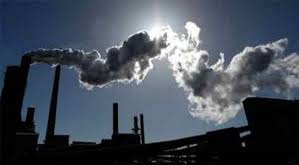
What is Oleum ?
Oleum is a powerful chemical solution formed by dissolving sulfur trioxide (SO₃) in sulfuric acid (H₂SO₄). It is commonly known as “fuming sulfuric acid.”
- Its general formula is H₂SO₄·xSO₃.
- Due to the presence of excess SO₃ (sulfur trioxide), oleum is more reactive and stronger than ordinary sulfuric acid.
- When exposed to air, it releases SO₃ fumes, creating a smoke-like appearance.
Production of Oleum
Oleum is mainly produced through the Contact Process, the primary industrial method used to manufacture sulfuric acid.
Main steps of the process :
- Burning sulfur to produce SO₂ (sulfur dioxide).
- Converting SO₂ into SO₃ (sulfur trioxide) using a catalyst (usually vanadium pentoxide, V₂O₅).
- Instead of dissolving SO₃ directly in water, it is absorbed in concentrated sulfuric acid, forming oleum.
Physical and Chemical Properties
- Color : Colorless to pale yellow
- Appearance : Oily and viscous liquid
- Nature : Highly corrosive
- Viscosity : High, making handling more difficult
- Fuming property : Releases fumes when exposed to air
Major Uses of Oleum
- Production of highly concentrated sulfuric acid
- Manufacturing of explosives
- Production of dyes and pigments
- Pharmaceutical industry for synthesizing various chemicals
- Used as a dehydrating agent in organic chemistry
- Used in petrochemical and fertilizer industries for chemical reactions
Because of its strong dehydrating ability , oleum can remove water from many organic compounds.
Hazards of Oleum
Oleum is considered a highly hazardous chemical.
Major risks include :
- Highly corrosive: Can cause severe burns to skin and eyes
- Respiratory damage: Toxic fumes may damage the lungs if inhaled
- Chemical burns: Can damage metals and various materials
- Environmental risks: Large leaks can cause air and water pollution
Due to these dangers, strict safety standards and protective equipment are required for the storage, handling, and transportation of oleum.






 Contact Us
  New Batch : 9555124124/ 7428085757
  Tech Support : 9555124124/ 7428085757