New
Hindi Medium: (Delhi) - GS Foundation (P+M) : 14th Oct. 2026, 06:00 PM Hindi Medium: (Prayagraj) - GS Foundation (P+M) : 23rd Oct. 2026, 11:00 AM English Medium: (Delhi) - GS Foundation (P+M) : 12th Oct. 2026, 5:30PM English Medium: (Prayagraj) - GS Foundation (P+M) : 19th Aug 2026, 11:00 AM Hindi Medium: (Delhi) - GS Foundation (P+M) : 14th Oct. 2026, 06:00 PM Hindi Medium: (Prayagraj) - GS Foundation (P+M) : 23rd Oct. 2026, 11:00 AM English Medium: (Delhi) - GS Foundation (P+M) : 12th Oct. 2026, 5:30PM English Medium: (Prayagraj) - GS Foundation (P+M) : 19th Aug 2026, 11:00 AM

Current Affairs for 07 October 2026

India-Ghana Sign Two MoUs to Boost Science, Education and Agriculture

Prelims: India-Ghana Relations, Zoological Survey of India, University of Ghana, ICAR, CSIR-Crops Research Institute, ECOWAS, African Union, South-South Cooperation
Mains: GS Paper II – International Relations
Keywords: India-Ghana Relations, India-Africa Relations, South-South Cooperation, India-Ghana Comprehensive Partnership, Scientific Research Cooperation, Agricultural Cooperation, Capacity Building, Educational Cooperation, ZSI, ICAR, ECOWAS, African Union, Development Partnership, West Africa.

Why in News?

  • India and Ghana have exchanged two Memoranda of Understanding (MoUs) to deepen cooperation in scientific research, academics, capacity building, agricultural research and education.
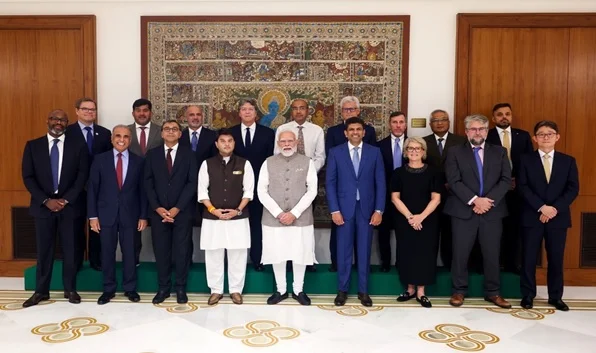
  • The agreements were exchanged during External Affairs Minister Dr. S. Jaishankar’s visit to Ghana, reflecting efforts to strengthen the India-Ghana Comprehensive Partnership and promote South-South cooperation.

Two MoUs Exchanged Between India and Ghana

Dr. S. Jaishankar witnessed the exchange of the agreements with Ghana’s Foreign Minister Sam Okudzeto Ablakwa.

The two MoUs cover:

1. Zoological Survey of India and University of Ghana

The MoU between the Zoological Survey of India (ZSI) and the University of Ghana focuses on:

  • Academic cooperation
  • Scientific research
  • Capacity building
  • Institutional collaboration

2. ICAR and CSIR-Crops Research Institute

  • The second MoU between the Indian Council of Agricultural Research (ICAR) and Ghana’s CSIR-Crops Research Institute focuses on:
    • Agricultural research
    • Education
    • Knowledge sharing
    • Capacity building
  • These agreements aim to strengthen institutional cooperation between India and Ghana in research, education and agriculture.

India-Ghana Comprehensive Partnership

The MoU exchange followed discussions between Dr. Jaishankar and Ghana’s Foreign Minister on strengthening the India-Ghana Comprehensive Partnership.

The two countries discussed cooperation in areas including:

  • Trade and investment
  • Development cooperation
  • Pharmaceuticals
  • Defence
  • Technology
  • Education
  • Agriculture
  • Capacity building
  • People-to-people relations

The discussions also highlighted the need to expand bilateral engagement into emerging areas of cooperation.

Focus on South-South Cooperation

  • The engagement between India and Ghana reflects India's emphasis on South-South cooperation.
  • South-South cooperation refers to collaboration among developing countries in areas such as technology, knowledge sharing, capacity building and development.
  • India's engagement with African countries has included cooperation in:
    • Healthcare
    • Education
    • Agriculture
    • Digital technology
    • Infrastructure
    • Training and capacity building
  • The new MoUs with Ghana further strengthen this development-oriented partnership.

Cooperation with African Union and ECOWAS

  • The two foreign ministers also discussed strengthening multilateral cooperation, including India's engagement with the:
  • African Union (AU)
  • Economic Community of West African States (ECOWAS)
  • ECOWAS is a regional organisation that promotes economic integration and cooperation among countries in West Africa.
  • Ghana's role in the West African region makes it an important partner for India's engagement with the region.

Jaishankar Meets Ghanaian President

  • During his visit, Dr. S. Jaishankar also met Ghanaian President John Dramani Mahama.
  • The meeting provided an opportunity to review India-Ghana relations and discuss ways to strengthen cooperation across various strategic and economic sectors.

Jaishankar's Three-Nation Africa Visit

The External Affairs Minister's Africa visit covers three countries:

  • Ghana
  • Côte d’Ivoire
  • Ethiopia

The visit is scheduled to continue until 10 October 2026.

The visit aims to review existing bilateral relations and explore new areas of cooperation with the three African countries.

Why is Ghana Important for India?

Ghana is an important partner for India in West Africa.

India-Ghana cooperation extends across several areas, including:

  • Trade and investment
  • Pharmaceuticals
  • Agriculture
  • Education
  • Digital technology
  • Infrastructure
  • Capacity building
  • Defence cooperation

The latest MoUs demonstrate a growing focus on research, higher education, agricultural cooperation and institutional capacity building.

Significance for India

  • The agreements can strengthen India's engagement with Ghana by promoting:
    • Knowledge Sharing: Greater exchange of scientific and academic expertise.
    • Agricultural Cooperation: Collaboration in agricultural research, education and capacity building.
    • Human Resource Development: Institutional partnerships can support training and skill development.
    • South-South Cooperation: The agreements reinforce India's development partnership with African countries.
    • People-to-People Relations: Cooperation in education, research and capacity building can deepen long-term bilateral ties.

Background of India–Ghana Relations

  • 1957: India established diplomatic relations with Ghana after its independence from British rule. 
  • Both countries share a history of anti-colonial struggle and support for developing countries. 
  • India and Ghana have cooperated through platforms such as the Non-Aligned Movement (NAM). 
  • Bilateral cooperation covers trade, agriculture, education, healthcare, technology and capacity building. 
  • India supports Ghana through training, scholarships and development projects. 
  • In recent years, both countries have expanded cooperation in digital technology, scientific research and agriculture.

Conclusion

The exchange of the two MoUs marks another step in strengthening the India-Ghana Comprehensive Partnership. Cooperation in scientific research, agriculture, education and capacity building can contribute to stronger institutional linkages and reinforce India's broader South-South cooperation with Africa.

Prelims Practice Question 

Q. Consider the following statements regarding India–Ghana relations:

  1. India established diplomatic relations with Ghana in 1957. 
  2. Both countries cooperate in agriculture, education and capacity building. 
  3. Ghana is a member of the European Union. 

Which of the statements given above is/are correct?

A. 1 and 2 only
B. 2 and 3 only
C. 1 and 3 only
D. 1, 2 and 3

Mains Practice Question

Discuss the significance of India's South-South cooperation with African countries in strengthening development partnerships.

FAQs

Q1. When did India establish diplomatic relations with Ghana?

India established diplomatic relations with Ghana in 1957.

Q2. What are the major areas of India–Ghana cooperation?

Major areas include trade, agriculture, education, healthcare, technology and capacity building.

Q3. What is the significance of Ghana for India?

Ghana is an important partner for India in West Africa and contributes to India's broader engagement with the African continent.

Q4. What is South-South Cooperation?

It refers to cooperation among developing countries in areas such as development, technology, knowledge sharing and capacity building.

Q5. Which organisations are involved in the latest India–Ghana MoUs?

The MoUs involve ZSI and the University of Ghana, and ICAR and Ghana's CSIR-Crops Research Institute.

JOSH Teams to Boost TB Awareness Across 55 Districts in 11 States

Prelims: JOSH Teams, TB Mukt Bharat Abhiyaan, MY Bharat, NCC, Khushi Avatar, Jan Bhagidari
Mains: GS Paper II: Government initiatives, public health, community participation, social mobilisation GS Paper III: Health sector, tuberculosis elimination, technology in public health
Keywords: JOSH Teams, Joint Squad for Health, TB Mukt Bharat, tuberculosis elimination, MY Bharat, NCC cadets, Jan Bhagidari, Khushi Avatar, grassroots mobilisation, community participation, TB awareness, youth mobilisation

Why in News?

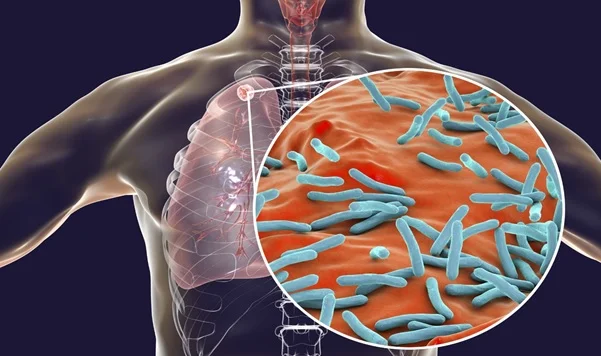
  • The Union Ministry of Health and Family Welfare, in collaboration with the Ministry of Youth Affairs and Sports and the Ministry of Defence, will launch JOSH (Joint Squad for Health) Teams on 8 October 2026 at Bharat Mandapam, New Delhi.
  • In the first phase, JOSH Teams will be rolled out across 55 districts in 11 states to strengthen youth-led community mobilisation and take the message of TB Mukt Bharat to the grassroots.

What are JOSH Teams?

  • JOSH (Joint Squad for Health) Teams are a youth-focused community mobilisation initiative aimed at strengthening public awareness and participation in India's efforts to eliminate tuberculosis (TB).
  • The teams will bring together:
    • Class-I officers
    • MY Bharat volunteers
    • NCC cadets
  • The initiative combines administrative leadership with the outreach networks of youth volunteers and NCC cadets to support community-level TB awareness.

Key Objectives of JOSH Teams

The major objectives of the JOSH Teams are to:

  • Strengthen grassroots awareness about tuberculosis.
  • Promote information on TB symptoms, prevention and timely diagnosis.
  • Encourage people to complete the prescribed TB treatment.
  • Address myths and misconceptions related to TB.
  • Reduce stigma and discrimination associated with tuberculosis.
  • Increase community participation in the TB elimination campaign.
  • Provide youth with a structured platform for social mobilisation and community engagement.

First-Phase Rollout

  • In the first phase, JOSH Teams will operate across 55 districts in 11 states.
  • Their activities will focus on the block, ward and community levels, helping take the TB Mukt Bharat message beyond healthcare facilities and closer to local communities.

Role of Youth in TB Elimination

  • India's youth constitute an important social network for community mobilisation. JOSH Teams seek to channel this reach and energy into organised action against tuberculosis.
  • MY Bharat volunteers and NCC cadets will support awareness activities and community outreach, while Class-I officers will provide administrative leadership and coordination.
  • This approach can help strengthen public participation and make TB awareness a community-driven effort.

Building on Jan Bhagidari

  • The JOSH initiative builds on the Government's emphasis on Jan Bhagidari (people's participation) in the fight against tuberculosis.
  • In 2025, 67,933 Panchayats across 697 districts were recognised as TB Mukt, reflecting the collective contribution of health workers, elected representatives, community members and volunteers.
  • JOSH Teams will build on this community-led approach by using youth networks to strengthen awareness, mobilisation and participation in TB elimination efforts.

Whole-of-Government and Whole-of-Society Approach

  • The initiative reflects a whole-of-government and whole-of-society approach by bringing together the health, youth and defence sectors for a common national objective.
  • The Ministry of Health and Family Welfare will provide the public health and TB elimination framework, while the Ministry of Youth Affairs and Sports and the Ministry of Defence will facilitate the participation of MY Bharat volunteers and NCC cadets.

Khushi Avatar: AI-Powered Chatbot

  • An AI-powered chatbot, Khushi Avatar, will also be launched to strengthen:
    • Public awareness
    • Community engagement
    • Participation in the TB elimination campaign
  • The initiative is intended to use technology alongside grassroots mobilisation to expand public engagement.

Launch Event

  • The national launch will be led by J.P. Nadda, Union Minister for Health and Family Welfare and Chemicals and Fertilizers.
  • Mansukh Mandaviya, Union Minister for Labour and Employment and Youth Affairs and Sports; Sanjay Seth, Minister of State for Defence; and Rekha Gupta, Chief Minister of Delhi, will also attend the event.
  • The programme will include a video highlighting key milestones of the TB Mukt Bharat Abhiyaan, followed by the formal launch of the JOSH Teams and the unveiling of new Information, Education and Communication (IEC) materials.

Significance

  • The JOSH Teams can strengthen India's TB response by connecting government institutions, youth networks and local communities.
  • By focusing on awareness, early diagnosis, treatment adherence and stigma reduction, the initiative can help create greater community ownership of TB elimination efforts.
  • It also provides young people with an organised platform to contribute to a major public health goal through social mobilisation and community participation.

Challenges

  • Limited grassroots awareness: Reaching remote and vulnerable communities remains a challenge. 
  • TB-related stigma: Myths, misconceptions and social stigma can discourage people from seeking diagnosis and treatment. 
  • Treatment adherence: Ensuring patients complete the full course of treatment remains important. 
  • Coordination: Effective coordination among ministries, states, local bodies, health workers and youth volunteers is essential.

Conclusion

The launch of JOSH Teams marks another step towards a people-centred and community-driven approach to TB elimination. By combining youth participation, grassroots outreach, technology and inter-ministerial coordination, the initiative seeks to strengthen the TB Mukt Bharat campaign at the local level.

Prelims Practice Question 

Q. With reference to the JOSH Teams, consider the following statements:

  1. JOSH stands for Joint Squad for Health. 
  2. The initiative will involve MY Bharat volunteers and NCC cadets. 
  3. The first phase will cover 55 districts across 11 states. 
  4. Khushi Avatar is an AI-powered chatbot associated with the initiative. 

Which of the statements given above are correct?

A. 1 and 2 only
B. 1, 2 and 3 only
C. 1, 2, 3 and 4
D. 2, 3 and 4 only

Mains Practice Question

Q. How can youth-led community mobilisation strengthen India's efforts towards tuberculosis elimination? Discuss the role of initiatives such as JOSH Teams.

FAQs

Q1. What does JOSH stand for?

JOSH stands for Joint Squad for Health.

Q2. What is the main objective of JOSH Teams?

The main objective is to strengthen grassroots awareness, social mobilisation and community participation in TB elimination.

Q3. How many districts will be covered in the first phase?

The first phase will cover 55 districts across 11 states.

Q4. Who will participate in JOSH Teams?

The teams will bring together Class-I officers, MY Bharat volunteers and NCC cadets.

Q5. What is Khushi Avatar?

Khushi Avatar is an AI-powered chatbot being launched to support public awareness, community engagement and participation in TB elimination.

DRDO Tests High-Altitude Platform at 21 km: India’s Stratospheric Surveillance Capability

Prelims: High-Altitude Platform (HAPS); DRDO; ADRDE; Stratosphere; Long-Endurance Surveillance; Defence Technology
Mains: GS Paper III – Science & Technology; Defence Technology; Indigenisation; Border Surveillance; Internal and National Security
Keywords: Indigenous Defence Technology, High-Altitude Surveillance, Stratospheric Platforms, Aatmanirbhar Bharat

Why in News?

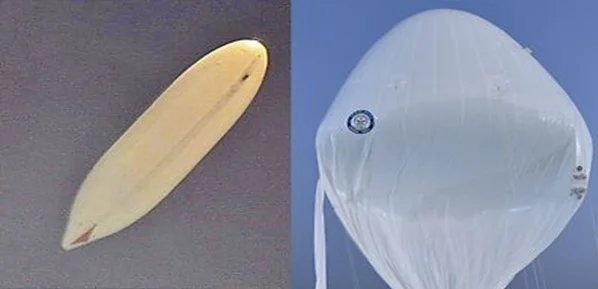
  • The Defence Research and Development Organisation (DRDO) has successfully conducted a flight trial of an indigenously developed High-Altitude Platform (HAPS). During the trial, the experimental platform reached an altitude of 21 km above mean sea level and remained at around 20 km for more than 30 minutes.
  • The trial is significant because HAPS technology can provide persistent surveillance and communication capabilities from the stratosphere, potentially complementing conventional aircraft, satellites and unmanned aerial systems.

What is a High-Altitude Platform (HAPS)?

  • A High-Altitude Platform (HAPS) is an aerial system designed to operate at very high altitudes, generally in the stratosphere, for extended periods. Unlike conventional aircraft that frequently return to the ground, HAPS is designed for long-endurance missions.
  • The DRDO's experimental system is a lighter-than-air platform being developed as a long-endurance stratospheric aerial surveillance system. Its high operating altitude can provide a wide field of view for surveillance and monitoring.

DRDO’s Recent HAPS Trial

The HAPS platform was developed by the Aerial Delivery Research and Development Establishment (ADRDE), Agra, a DRDO laboratory.

During the flight trial:

  • The platform reached a maximum altitude of 21 km. 
  • It maintained an altitude of around 20 km for more than 30 minutes. 
  • After completing the designated mission profile, it was commanded to descend. 
  • The platform was successfully recovered after the trial. 
  • Flight-performance data were subsequently analysed. 
  • Real-time video and vehicle parameters were transmitted to the Ground Control Station throughout the flight. 

This demonstrated the platform's ability to maintain high-altitude operation while continuously transmitting information to the ground.

Key Technologies Used in the Platform

  • The HAPS carried several instrumentation and control systems required for autonomous and controlled high-altitude operation.
  • These included an Inertial Measurement Unit (IMU), Global Positioning System (GPS) receiver, onboard cameras and an altitude-control mechanism, along with other supporting subsystems.
  • The combination of these systems enables the platform to determine its position, monitor its surroundings and maintain the required flight parameters.

Why is HAPS Important for India?

  • HAPS can become an important component of India's future persistent surveillance architecture. Operating from the stratosphere allows such platforms to observe large areas while remaining above much of the weather and commercial air traffic.
  • For a country with long land borders, difficult terrain and extensive maritime interests, persistent aerial surveillance can improve situational awareness and early warning.
  • HAPS could potentially complement satellites, conventional aircraft, drones and other surveillance assets rather than replacing them.

Strategic Significance for Defence

  • Persistent Border Surveillance: HAPS can potentially remain over an area for long periods and provide continuous surveillance. This could be particularly useful for monitoring mountainous and remote border regions.
  • Wide-Area Situational Awareness: Its high operating altitude provides a broad line of sight, allowing surveillance of a large geographical area from a single platform.
  • Complement to Satellites: Satellites provide strategic coverage but are constrained by orbital characteristics and revisit patterns. HAPS could provide more persistent, area-specific surveillance and operate closer to the region of interest.
  • Communication and Networking: Future HAPS platforms could potentially serve as high-altitude communication nodes, helping provide connectivity over areas where conventional terrestrial infrastructure is difficult to establish.
  • Indigenous Defence Capability: The successful trial strengthens India's efforts towards Aatmanirbhar Bharat in advanced aerospace and defence technologies and reduces dependence on foreign high-altitude surveillance systems.

HAPS vs Conventional UAVs and Satellites

Feature

HAPS

UAV

Satellite

Operating Environment

Stratosphere

Lower atmosphere

Space

Endurance

Very long

Generally shorter

Long orbital mission

Coverage

Wide area

More localised

Very wide/global

Reusability

Yes

Yes

Generally not recovered

Flexibility

High

High

Relatively limited

Major Role

Persistent surveillance/communication

Tactical surveillance/strike

Strategic surveillance/communication

Thus, HAPS occupies an important middle layer between conventional aerial systems and space-based assets.

Multi-Agency Coordination

  • The flight trial was conducted in coordination with several organisations, including the Indian Air Force (IAF), Centre for Military Airworthiness and Certification (CEMILAC), Directorate General of Civil Aviation (DGCA), Airports Authority of India (AAI) and other civil authorities.
  • Such coordination is important because high-altitude aerospace testing involves both military requirements and civil aviation airspace management.

Challenges Ahead

Despite the successful trial, developing an operational HAPS involves several technological challenges.

  • Energy Management: Long-duration operation requires efficient power generation and storage systems.
  • Stratospheric Environment: Very low temperatures, strong winds, atmospheric conditions and reduced air density create demanding engineering conditions.
  • Payload Capacity: The platform must carry useful surveillance, communication and sensor payloads without compromising endurance.
  • Navigation and Control: Maintaining a stable position at very high altitude for extended periods requires highly reliable navigation and control systems.
  • Operational Endurance: The next stage will involve demonstrating substantially longer endurance and validating the platform under more demanding operational conditions.

Way Forward

India should focus on transitioning the experimental HAPS from a technology demonstrator towards an operational long-endurance platform.

Future development should prioritise:

  • Longer-duration stratospheric flight. 
  • Advanced electro-optical and other surveillance payloads. 
  • Secure military communications. 
  • Improved autonomous navigation and altitude control. 
  • Higher payload capacity. 
  • Integration with India's broader ISR (Intelligence, Surveillance and Reconnaissance) architecture. 
  • Greater participation of Indian private industry and start-ups. 

Prelims Practice Question

Q. With reference to the High-Altitude Platform (HAPS) recently tested by DRDO, consider the following statements:

  1. HAPS is designed to operate in the stratosphere for long-duration missions. 
  2. The platform tested by DRDO was developed by the Aerial Delivery Research and Development Establishment (ADRDE), Agra. 
  3. During the trial, the platform reached an altitude of 21 km and remained at 20 km for more than 30 minutes. 
  4. HAPS is designed to operate in outer space like a satellite. 

Which of the statements given above are correct?

(a) 1, 2 and 3 only
(b) 1 and 4 only
(c) 2 and 3 only
(d) 1, 2, 3 and 4

Mains Practice Question

“High-Altitude Platforms can provide a critical link between aerial and space-based surveillance systems.” Discuss their strategic significance for India.

FAQs

1. What is HAPS?

HAPS stands for High-Altitude Platform, an aerial system designed to operate at very high altitudes for long-duration surveillance, communication and other missions.

2. Which DRDO laboratory developed the tested HAPS?

The platform was developed by the Aerial Delivery Research and Development Establishment (ADRDE), Agra.

3. How high did the DRDO HAPS reach during the trial?

The experimental platform reached 21 km above mean sea level and remained at around 20 km for more than 30 minutes.

4. What can HAPS be used for?

Potential applications include persistent surveillance, wide-area situational awareness and communication support.

5. Why is the HAPS trial important for India?

It demonstrates progress in indigenous high-altitude aerospace technology and supports India's broader Aatmanirbhar Bharat objectives in defence technology.

Nobel Prize in Chemistry: Key Facts, Winners, Chirality, Asymmetric Synthesis, Soai Reaction, Importance of Molecular Chirality and Significance

Why in news?

The 2026 Nobel Prize in Chemistry has been awarded jointly to Henri B. Kagan and Kenso Soai for the “discovery of non-linear effects and autocatalysis in asymmetric organic synthesis.”

 

Key Facts 

Particular

Details

Winners

Henri B. Kagan and Kenso Soai

Category

Chemistry

Announcement

7 October 2026

Awarding Body

Royal Swedish Academy of Sciences

Awarded For

Discovery of non-linear effects and autocatalysis in asymmetric organic synthesis

Main Field

Asymmetric / Organic Chemistry

Prize Money

12 million Swedish kronor, shared by the laureates

Key Importance

Understanding and controlling molecular chirality

Who are the Winners?

  • Henri B. Kagan is a French chemist associated with Université Paris-Sud and is regarded as a pioneer of asymmetric catalysis.
  • One of his major contributions was demonstrating non-linear effects in asymmetric catalysis, helping chemists understand how small differences in molecular composition can produce unexpectedly large differences in the outcome of a chemical reaction. 
  • Kenso Soai is a Japanese organic chemist associated with the Tokyo University of Science. 
  • He is particularly known for asymmetric autocatalysis and the famous Soai reaction, which demonstrated how a very small initial imbalance between two mirror-image molecular forms can be dramatically amplified. 

What is Chirality?

  • Your left hand and right hand look almost identical. They are mirror images of each other, but if you place one over the other, they do not perfectly overlap.
  • Some molecules behave in the same way. These two mirror-image versions of a molecule are called enantiomers, and this property is called chirality.
  • This is important because living organisms often use only one particular mirror-image form of certain molecules. Amino acids are a major example. 

What is Asymmetric Synthesis?

  • Normally, a chemical reaction involving chiral molecules may produce both mirror-image forms. But scientists often want one particular form.
  • Asymmetric synthesis refers to chemical methods designed to preferentially produce one enantiomer over the other.
  • This is especially important in pharmaceutical chemistry because two mirror-image molecules can interact differently with biological systems.

What Did Henri Kagan Discover?

  • Kagan's important contribution concerns the non-linear effect in asymmetric catalysis.
  • One might expect that if a catalyst has a small imbalance in chirality, the product should show a similarly small imbalance. 
  • Kagan's work demonstrated that this relationship does not always have to be proportional.
  • In some reactions small asymmetry in catalyst is disproportionately large asymmetry in product. This is called a non-linear effect.
  • His work helped establish non-linear effects as an important tool for understanding how asymmetric catalytic reactions actually operate. 
  • Imagine a catalyst is only slightly better at favouring one molecular orientation. Instead of producing only a slightly larger amount of one enantiomer, interactions among molecules may amplify the difference.

What did Kenso Soai Discover?

  • Soai took the idea of amplification even further through asymmetric autocatalysis. An autocatalytic reaction is a reaction in which the product itself helps catalyse the production of more of that product.
  • Think of it as product formed, product promotes reaction, more of same product and further reaction.
  • Soai demonstrated an asymmetric autocatalytic system in which a very small initial chiral imbalance could become strongly amplified. This became known as the Soai reaction. 

What is the Soai Reaction?

  • The Soai reaction is a famous example of asymmetric autocatalysis.
  • Tiny Initial Chiral Imbalance, Autocatalytic Reaction Begins, Product catalyses formation of more product, one molecular form becomes increasingly dominant, Strong Chiral Amplification. 
  • This experimentally demonstrated how a very small initial imbalance could develop into a much larger molecular asymmetry.

Why is their combined work important?

  • Kagan and Soai approached a related fundamental problem from complementary directions.

Henri B. Kagan

Kenso Soai

Studied non-linear effects

Studied asymmetric autocatalysis

Showed that small catalyst asymmetry can have amplified effects

Showed how a product can promote its own formation

Important for asymmetric catalysis

Important for chiral amplification

Helps understand reaction mechanisms

Helps explain how tiny asymmetry can become dominant

Why does Molecular Chirality matter?

  • Chirality is extremely important in biology and medicine.
  • Biological molecules are three-dimensional, so their shape determines how they interact with enzymes, receptors and other molecules.
  • This means two mirror-image versions of the same basic molecule may behave differently inside the human body.
  • Better control over chirality can therefore help chemists design more selective chemical reactions, including reactions used in pharmaceutical and biologically active compounds. 

Significance of the Discovery

  • The research is important for pharmaceutical chemistry, because controlling which enantiomer is produced can be crucial in drug development. 
  • It also advances green and efficient chemistry, since more selective reactions can reduce unwanted products and unnecessary processing.
  • At a more fundamental level, the discoveries help scientists investigate one of chemistry's deepest questions: why life itself displays such strong molecular asymmetry. 
  • Living systems often favour one molecular handedness, and chiral amplification offers clues about how such dominance could arise from initially tiny imbalances. 

Prelims MCQ

Q. The 2026 Nobel Prize in Chemistry was awarded for discoveries primarily related to:

A. Quantum computing

B. Asymmetric organic synthesis

C. Metal-organic frameworks

D. CRISPR gene editing  

Mains Practice Question

Q. Explain the significance of chirality and asymmetric synthesis in modern chemistry.

FAQs

Who won the Nobel Prize in Chemistry 2026?

Henri B. Kagan and Kenso Soai.

Why were they awarded the Nobel Prize?

For discoveries related to non-linear effects and autocatalysis in asymmetric organic synthesis.

What is chirality?

Chirality is the property of molecules that exist as non-superimposable mirror images, like our left and right hands.

What are enantiomers?

They are two mirror-image forms of a chiral molecule.

What is asymmetric synthesis?

It is a chemical process designed to produce one mirror-image form of a molecule preferentially.

Nobel Prize 2026: Key Facts, Background, Winners and Institutes

Why in news?

The Nobel Prize 2026 announcements are taking place from 5 October to 12 October 2026 across six categories (Physiology or Medicine, Physics, Chemistry, Literature, Peace and Economic Sciences). 

Key Facts 

Particular

Details

Founder

Alfred Nobel

Established through Will

1895

First Awarded

1901

Original Categories

Physics, Chemistry, Physiology or Medicine, Literature and Peace

Economic Sciences Added

1968

Economic Prize Full Name

Sveriges Riksbank Prize in Economic Sciences in Memory of Alfred Nobel

Award Ceremony

10 December

Peace Prize Ceremony

Oslo, Norway

Other Prize Ceremonies

Stockholm, Sweden

Prize Components

Medal, Diploma and Prize Money

2026 Prize Amount

12 million Swedish kronor per prize

Nobel Prize 2026 Winners

Category

Winner(s)

Date

Awarded For

Physiology or Medicine

Karl Deisseroth, Peter Hegemann & Georg Nagel

5 October

Discoveries concerning light-gated ion channels and optogenetics

Physics

Francis Halzen

6 October

Contributions to the IceCube Neutrino Observatory and discovery of high-energy astrophysical neutrinos

Chemistry

Henri B. Kagan & Kenso Soai

7 October

Discovery of non-linear effects and autocatalysis in asymmetric organic synthesis

Literature

Anne Carson

8 October

Her bold and inventive literary works that creatively engage with classical traditions and develop new forms of contemporary literature."

Peace

Navanethem "Navi" Pillay

9 October

“For her efforts to promote peace and international law.”

Economic Sciences

Robert E. Hall and Michael Woodford

12 October

"For microeconomic foundations of macroeconomic stabilisation"

Background of the Nobel Prize

  • The Nobel Prize is one of the world's most prestigious international awards.
  • It was created according to the will of Alfred Nobel, a Swedish inventor, chemist, engineer and industrialist. 
  • His will, signed in 1895, provided for prizes recognising achievements that benefit humankind. 
  • The Nobel Prizes were first awarded in 1901. 

Who Awards the Nobel Prizes?

Nobel Prize

Awarding Institution

Physics

Royal Swedish Academy of Sciences

Chemistry

Royal Swedish Academy of Sciences

Physiology or Medicine

Nobel Assembly at Karolinska Institutet

Literature

Swedish Academy

Peace

Norwegian Nobel Committee

Economic Sciences

Royal Swedish Academy of Sciences

RBI Hikes Repo Rate to 5.50%: Key Facts, Growth Forecast to 7.1%, India’s Inflation Targeting Framework, Calibrated Tightening, Impact on Indian Economy, Significance and Challenges for RBI

Prelims: Reserve Bank of India (RBI), Monetary Policy Committee (MPC), Repo Rate, Standing Deposit Facility (SDF), Marginal Standing Facility (MSF), Bank Rate, Inflation Targeting, Monetary Policy Framework.
Mains: GS Paper III: Indian Economy, Monetary Policy, Inflation, Growth, Banking Sector and Macroeconomic Stability.

Why in news?

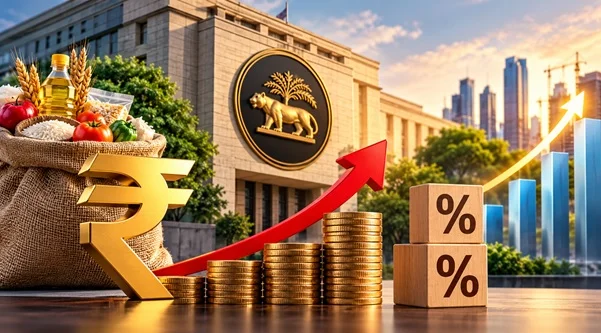
The Reserve Bank of India’s six-member Monetary Policy Committee (MPC), headed by Governor Sanjay Malhotra, on 7 October 2026 unanimously raised the policy repo rate by 25 basis points (bps), from 5.25% to 5.50%. 
Key Facts

Indicator

Details

Repo Rate

5.50%

Change

+25 basis points

SDF Rate

5.25%

MSF Rate

5.75%

Bank Rate

5.75%

Monetary Policy Stance

Calibrated Tightening

FY27 Real GDP Growth Projection

7.1%

FY27 CPI Inflation Projection

5.2%

What is the Repo Rate?

  • The repo rate is the interest rate at which the RBI lends short-term funds to commercial banks against eligible securities under its liquidity framework.
  • When the RBI raises the repo rate, borrowing from the RBI becomes costlier for banks. Banks may subsequently increase their lending rates, making home loans, vehicle loans, personal loans and business credit more expensive.

Why did RBI raise the Repo Rate?

  • Rising Inflationary Pressure: Retail inflation had risen to 4.82% in August 2026, remaining above the RBI's 4% medium-term target for the third consecutive month. The central bank is particularly concerned that inflationary pressures could become broader and more persistent. 
  • Higher Crude Oil Prices: India imports a large proportion of its crude-oil requirement. Higher international oil prices can therefore increase fuel and transportation costs and eventually feed into prices across the economy.
  • Food Inflation Risks: Uneven/poor monsoon conditions and El Niño-related risks have increased concerns about agricultural output and food prices. Since food has a significant weight in India's CPI basket, food-price shocks can have a substantial effect on headline inflation. 
  • Strong Economic Growth: A major reason the RBI has room to fight inflation is the underlying strength of economic activity. India's real GDP expanded by 7.8% in Q1 FY27 (April-June 2026), exceeding the RBI's earlier projection. 

RBI Raises FY27 GDP Growth Forecast to 7.1%

Period

Real GDP Growth Projection

FY2026-27

7.1%

Q2 FY27

7.2%

Q3 FY27

6.9%

Q4 FY27

6.8%

Q1 FY28

7.1%

  • Despite increasing interest rates, the RBI upgraded its real GDP growth forecast for FY2026-27 from 6.7% to 7.1%. 
  • The RBI cited resilient domestic economic activity, including consumption and continued momentum in manufacturing and services, while revising its overall growth outlook upward. 

Inflation Forecast Raised

  • The RBI raised its FY27 CPI inflation projection to around 5.2%. 
  • The projected inflation trajectory includes Q2 FY27 (4.9%), Q3 FY27 (6.0%), Q4 FY27 (5.7%), Q1 FY28 (5.6%). 
  • This indicates that the RBI expects price pressures to remain significant in the coming quarters, particularly amid food, energy and geopolitical risks. 

Monetary Policy Stance: “Calibrated Tightening”

  • Important development is the shift from a “neutral” stance to “calibrated tightening.” 
  • A neutral stance gives the central bank greater flexibility to move rates in either direction depending on economic conditions.
  • A calibrated-tightening stance sends a more hawkish signal controlling inflation has become a stronger policy priority and immediate rate cuts become less likely.
  • Governor Sanjay Malhotra indicated that the near-term policy choice would essentially be between another hike or a pause rather than a rate cut. 

Monetary Policy Committee (MPC)

  • The MPC is the statutory body responsible for determining India's policy repo rate.
  • It was constituted under the Reserve Bank of India Act, 1934, following amendments made in 2016.
  • The MPC consists of six members (3 RBI representatives and 3 members appointed by the Central Government).
  • The RBI Governor serves as the ex-officio Chairperson of the MPC.
  • Each member has one vote. In the event of a tie, the RBI Governor has a casting vote.
  • The committee normally meets at least four times a year, though RBI follows a scheduled monetary-policy review cycle.

India's Inflation Targeting Framework

  • India follows a Flexible Inflation Targeting (FIT) framework.
  • The inflation target is CPI Inflation (4%) with a tolerance band of 2% to 6%.
  • This means monetary policy aims to keep inflation around 4% over the medium term while also taking growth considerations into account.
  • The RBI is considered to have failed to meet the statutory inflation target if average inflation remains above 6% or below 2% for three consecutive quarters.

What does the Repo Rate Hike mean for ordinary borrowers?

  • Home and Car Loans: A higher repo rate can increase banks' funding costs. For loans linked to external benchmarks such as the repo rate, monetary-policy changes can transmit relatively quickly.
  • Fixed Deposits: As interest rates rise, banks may offer higher deposit rates to attract funds.
  • Businesses: Higher borrowing costs can make new investment and working-capital financing more expensive, particularly for interest-sensitive businesses and highly leveraged firms.
  • Consumption: Higher EMIs leave households with less disposable income, potentially moderating discretionary consumption.

Impact on the Indian Economy

  • Positive Effects: A rate hike can help contain demand-side inflation, anchor inflation expectations, reinforce the RBI's commitment to price stability, moderate excessive credit growth, support macroeconomic and financial stability.
  • Possible Negative Effects: Sustained monetary tightening can increase EMIs, raise corporate borrowing costs, weaken interest-sensitive consumption, moderate private investment and increase financing pressure on MSMEs.

Repo Rate vs SDF vs MSF

  • Repo Rate: Rate at which the RBI provides liquidity to banks against eligible collateral.
  • October 2026:5.50%.
  • Standing Deposit Facility (SDF): Rate at which banks can park surplus liquidity with the RBI without providing collateral to the RBI.
  • October 2026: 5.25%. 
  • Marginal Standing Facility (MSF): Facility through which scheduled commercial banks can obtain overnight funds from RBI under specified conditions, generally at a rate above the repo rate. 
  • October 2026: 5.75%.

Significance 

  • Return to monetary tightening: The decision marks the RBI's first repo-rate hike since February 2023 and represents a significant turn in the interest-rate cycle. 
  • Inflation takes priority: The rate increase and change in stance indicate that controlling emerging inflation pressures has become increasingly important.
  • Growth remains resilient: The simultaneous upgrade of FY27 GDP growth to 7.1% suggests the RBI does not currently see inflation control and strong economic expansion as mutually exclusive. 
  • Global risks matter: Oil prices, geopolitical developments, global financial conditions and food-price shocks are increasingly important variables for India's monetary-policy outlook.

Challenges Ahead for RBI

  • Supply-side inflation: Interest-rate hikes can restrain demand but cannot directly increase food production or reduce international crude-oil prices.
  • Growth-inflation trade-off: Excessive tightening could eventually affect investment, consumption and employment.
  • Monetary transmission: Changes in the repo rate do not always translate uniformly into bank lending and deposit rates.
  • Global uncertainty: Oil prices, geopolitical tensions, exchange-rate movements and global interest rates can quickly change India's inflation outlook.

Prelims MCQ

Q. With reference to the RBI's Monetary Policy Committee (MPC), consider the following statements:

  1. The MPC consists of six members.
  2. The Governor of RBI is its ex-officio Chairperson.
  3. The Governor has a casting vote in case of a tie.

Which of the statements given above are correct?

(a) 1 and 2 only

(b) 2 and 3 only

(c) 1 and 3 only

(d) 1, 2 and 3  

Mains Practice Question

Q. How does a repo rate hike help control inflation? Discuss.

FAQs

What is the repo rate after the October 2026 MPC meeting?

The repo rate is 5.50%.

By how much did RBI increase the repo rate?

By 25 basis points.

What is RBI's FY27 GDP growth forecast?

7.1%.

Why did RBI raise the repo rate?

Primarily to address rising inflationary pressures amid food, energy and global risks.

What is India's inflation target?

4%, with a tolerance band of 2–6%

Indian Air Force Day 2026: Key Facts, History, Major roles, Major Operations, Modernization, International Defence Cooperation, Significance and Challenges

Why in news?

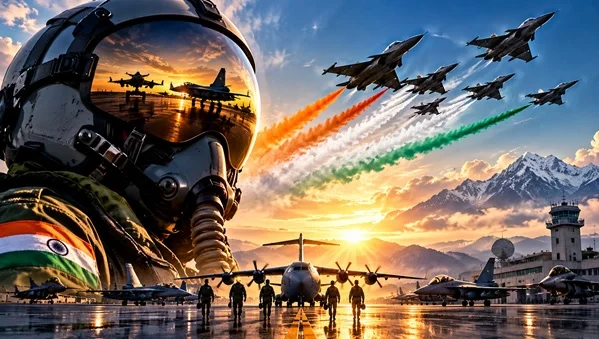
Indian Air Force Day is observed every year on 8 October to commemorate the establishment of the Indian Air Force in 1932. 
Key Facts 

Particular

Details

Observed on

8 October

IAF established

8 October 1932

2026 Anniversary

94th

Headquarters

New Delhi

Chief of the Air Staff

Air Chief Marshal A. P. Singh

IAF Motto

Nabha Sparsham Deeptam (Touch the Sky with Glory)

Motto source

Bhagavad Gita

Supreme Commander

President of India

2026 ceremonial parade

Air Force Station Hindon, Ghaziabad

History of the Indian Air Force

  • The Indian Air Force was officially established on 8 October 1932 during British rule as an auxiliary air force of the British Empire. Its first operational squadron was formed in 1933.
  • Government historical accounts note that it started with just six pilots and 19 airmen, before evolving into a sophisticated modern air force. 
  • After India's independence, the force became the Indian Air Force. In 1950, when India became a Republic, the prefix “Royal” was dropped from its earlier name, Royal Indian Air Force.

Why is Air Force Day celebrated?

  • Honouring Air Warriors: Recognises the courage, professionalism and sacrifices of serving personnel and veterans.
  • Showcasing Air Power: Parades and aerial displays demonstrate India's fighter, transport, helicopter, air-defence and other capabilities.
  • Operational Preparedness: Highlights the IAF's ability to protect Indian airspace and respond rapidly to security challenges.
  • Public Awareness: Air displays bring military aviation closer to citizens and encourage young people to learn about careers in the armed forces.
  • Remembering IAF Heritage: It commemorates the transformation of the force from its modest beginnings in 1932 into a major component of India's defence architecture.

Major Roles of the Indian Air Force

  • Air Defence: A core responsibility is protecting Indian airspace against hostile aircraft, missiles, drones and other aerial threats. Modern air defence increasingly involves a network of radars, sensors, fighter aircraft, surface-to-air missiles and command-and-control systems.
  • Offensive Air Operations: Conduct precision strikes against strategically important hostile targets and support wider military objectives.
  • Support to Ground Forces: Provides close air support, surveillance, reconnaissance, logistics and transport support to the Indian Army.
  • Strategic and Tactical Airlift: Transport aircraft and helicopters move troops, weapons, supplies and equipment, particularly to difficult terrain and remote border areas.
  • Humanitarian Assistance and Disaster Relief: During floods, cyclones, earthquakes and other disasters, the IAF undertakes evacuation, relief-material transport, rescue, medical assistance and humanitarian support. 

Major Operations Associated with the IAF

  • Indo-Pakistan War of 1947-48: The IAF played a crucial role in rapidly transporting troops and equipment to Jammu and Kashmir following the tribal invasion backed from Pakistan. Government historical accounts highlight its role in ensuring that Indian soldiers and armaments reached the battlefield quickly. 
  • 1965 Indo-Pakistan War: The IAF carried out offensive and defensive air operations and provided support to Indian ground forces.
  • 1971 India-Pakistan War: Air power played a major role on both the eastern and western fronts. The conflict ultimately resulted in the liberation of Bangladesh.
  • Operation Meghdoot: Launched in 1984, Operation Meghdoot established and sustained India's presence in the strategically important Siachen Glacier region.
  • Operation Poomalai: In 1987, the IAF carried out an airdrop of humanitarian supplies over Jaffna, Sri Lanka.
  • Operation Cactus: In 1988, IAF transport aircraft rapidly airlifted Indian forces to the Maldives following an attempted coup.
  • Operation Vijay: During the 1999 Kargil conflict, air operations under Operation Safed Sagar supported India's broader Operation Vijay by striking hostile positions in difficult high-altitude terrain. 

IAF and Operation Sindoor

  • During the 2025 Air Force Day commemorations, the Chief of Defence Staff highlighted the IAF's precision-strike capabilities and its integrated network of sensors and radars. 
  • Surface-to-Air Missile and Counter-Unmanned Aerial Systems worked alongside Army Air Defence elements through the Integrated Air Command and Control System (IACCS).

Modernisation of the Indian Air Force

  • Modern air warfare is changing rapidly because of drones, long-range missiles, electronic warfare, artificial intelligence, cyber capabilities and network-centric operations.
  • The IAF operates platforms such as Rafale, Su-30MKI, Mirage-2000, MiG-29 and LCA Tejas. India is simultaneously pursuing indigenous future platforms, particularly the Advanced Medium Combat Aircraft (AMCA).
  • An important element of modernisation is reducing dependence on imported defence equipment through Atmanirbhar Bharat. Indigenous or increasingly indigenised systems include LCA Tejas, Akash air-defence system, Astra air-to-air missile and Prachand Light Combat Helicopter, among other programmes.
  • The IAF's official 2026 calendar notes that Prachand was formally inducted into the IAF in 2022 and is designed for roles including close air support, anti-armour operations and air defence against slow-moving aerial targets. 

Growing Importance of Drones

  • In September 2026, the IAF organised its first Dronathon-2026 at the Pokhran Field Firing Range. More than 20 defence companies, startups, MSMEs, DPSUs and innovators participated.
  • The IAF views unmanned aircraft as complementary to manned aviation because they can enhance the reach, persistence, responsiveness and flexibility of air operations. 

International Defence Cooperation

  • The IAF regularly participates in bilateral and multilateral exercises to enhance interoperability and learn from other air forces.
  • A major contemporary example is Exercise Tarang Shakti 2026, being conducted at Jodhpur from 26 September to 12 October 2026.
  • Its operational phase includes participation from countries including Australia, United States, UAE, France, Germany, Sri Lanka and Bangladesh, with foreign platforms such as the F-35, Rafale, F-16, A400M, MRTT and C-130 variants. 

Significance of the Indian Air Force

  • National Security: The IAF provides India with the ability to defend its airspace and rapidly respond to threats across vast geographical areas.
  • Strategic Deterrence: Modern aircraft, missiles and integrated air-defence systems strengthen India's deterrence capability.
  • Rapid Response: Air power can move troops and equipment over long distances much faster than land-based alternatives.
  • Himalayan and Border Operations: Aircraft and helicopters are particularly important for maintaining forces deployed in remote and high-altitude regions.
  • Disaster Management: The IAF's airlift capabilities allow rapid humanitarian response during natural disasters and emergencies.

Challenges 

  • One of the most significant challenges is fighter squadron strength. 
  • Ahead of the 94th Air Force Day, Air Chief Marshal A. P. Singh highlighted declining fighter strength and the need for faster aircraft induction. 
  • Other major challenges include the need to accelerate indigenous fighter programmes, manage expensive modernisation, counter drones and long-range missiles, strengthen electronic and cyber warfare capabilities, and maintain technological superiority in a rapidly changing security environment.

Prelims MCQ

Q. With reference to the Indian Air Force (IAF), consider the following statements:

  1. Indian Air Force Day is observed on 8 October.
  2. The Indian Air Force was established in 1932.
  3. Operation Safed Sagar was associated with the Kargil conflict.

Which of the statements given above are correct?

(a) 1 and 2 only

(b) 2 and 3 only

(c) 1 and 3 only

(d) 1, 2 and 3

Mains Practice Question

Q. Examine the changing role of the Indian Air Force in India's national security architecture.

FAQs

When is Indian Air Force Day celebrated?

Every year on 8 October.

When was the Indian Air Force established?

On 8 October 1932.

Which anniversary is being marked in 2026?

The 94th anniversary of the IAF.

What is the motto of the IAF?

Nabha Sparsham Deeptam (Touch the Sky with Glory)

What was Operation Safed Sagar?

The IAF's air operations during the 1999 Kargil conflict.

India Mobile Congress 2026: 6G, AI, Cyber security and the Future of India’s Digital Infrastructure

Mains: GS Paper II – Government Policies and Interventions; Digital Governance; International Relations; GS Paper III – Science & Technology; Cyber security; Infrastructure; Indigenisation and Emerging Technologies
Keywords: India Mobile Congress 2026, IMC 2026, 6G, Bharat 6G, AI-native telecom, 5G monetisation, satellite communication, quantum communication, cyber security, semiconductors, digital infrastructure, non-terrestrial networks, telecom security

Why in News?

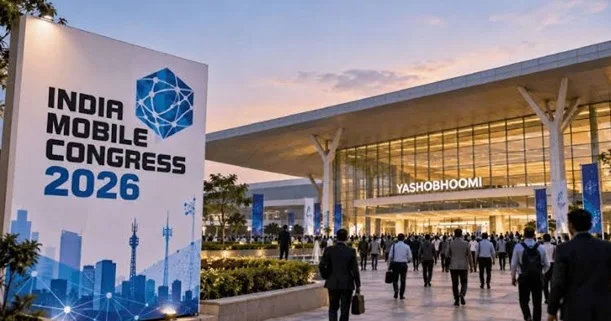
  • The 10th India Mobile Congress (IMC) 2026 begins on 7 October 2026 in New Delhi and will continue until 10 October 2026. The event is being jointly organised by the Department of Telecommunications (DoT) and the Cellular Operators Association of India (COAI) at Yashobhoomi, India International Convention & Expo Centre, Dwarka.
  • The central theme of IMC 2026 is “Scale Without Boundaries”, reflecting India's attempt to move emerging technologies from experimentation and pilot projects towards large-scale commercial deployment.

What is India Mobile Congress?

  • India Mobile Congress is a major Indian platform that brings together the telecommunications and wider digital technology ecosystem.
  • It includes telecom operators, technology companies, equipment manufacturers, start-ups, policymakers, researchers, infrastructure providers and investors.
  • Since its first edition in 2017, the event has expanded from a conventional telecom-focused platform into a broader forum covering emerging technologies and digital infrastructure.
  • Its growing focus on 6G, AI, quantum communication and cyber security reflects the changing nature of the global technology ecosystem.

Theme of IMC 2026: “Scale Without Boundaries”

  • The theme “Scale Without Boundaries” represents a shift from merely developing emerging technologies to deploying them at population and economy-wide scale.
  • For India, this is particularly important because the country's digital transformation is no longer limited to smartphone connectivity. Digital infrastructure now supports financial services, governance, education, healthcare, commerce, transportation and critical infrastructure.

Four Pillars of IMC 2026

  • The IMC 2026 framework is organised around four interconnected tracks—Srishti, Samvardhan, Sashakt and Suraksha.
  • Together, these represent the broader technology lifecycle, beginning with innovation and moving towards commercial growth, sustainable expansion and digital trust. 
  • This structure is important because future telecommunications cannot be viewed only through the lens of network speed. 
  • Technology development must also address economic viability, environmental sustainability, cybersecurity and public trust.

AI-Native Telecom Networks

  • One of the important themes of IMC 2026 is the emergence of AI-native telecommunications.
  • In conventional networks, artificial intelligence is generally used as an additional tool for optimisation and analysis.
  • AI-native networks seek to integrate intelligence much more deeply into network architecture and operations. Such networks could automatically predict congestion, optimise resources, detect faults and improve energy efficiency.
  • However, increasing dependence on AI also creates new cybersecurity and governance challenges, making responsible AI and secure network architecture essential.

6G: Beyond Faster Connectivity

  • The focus on 6G at IMC 2026 is significant because 6G is expected to represent a much broader technological transformation than simply providing faster mobile internet.
  • Future networks are expected to integrate communication with artificial intelligence, sensing, computing and satellite connectivity.
  • Technologies associated with 6G could support autonomous systems, advanced industrial applications, immersive communication and highly intelligent networks.
  • Therefore, India's participation in 6G development has implications not only for telecommunications but also for its broader technological and strategic capabilities.

Satellite Communication and Non-Terrestrial Networks

  • Satellite communication is another major focus of IMC 2026. Satellite-based connectivity can complement terrestrial networks in remote, mountainous, maritime and disaster-prone regions where conventional infrastructure may be difficult or expensive to establish.
  • The development of Non-Terrestrial Networks (NTNs) also creates possibilities for integrating satellite systems with terrestrial telecom infrastructure.
  • For India, such integration could improve connectivity, disaster response, emergency communication and access to digital services in geographically difficult areas.

Way Forward

  • India should adopt an integrated approach that combines research, manufacturing, standardisation, security and inclusive deployment.
  • Greater investment in 6G research, AI chips, quantum technologies and cybersecurity should be accompanied by stronger industry-academia collaboration. India should also increase its participation in global technology standard-setting and develop resilient supply chains for critical technologies.
  • At the deployment level, satellite connectivity, sustainable telecom infrastructure and secure digital networks should be used to ensure that technological progress reaches underserved regions without compromising security or environmental sustainability.

Conclusion

  • India Mobile Congress 2026 demonstrates how the country's telecom agenda is evolving from basic connectivity towards intelligent, secure and strategic digital infrastructure.
  • The emphasis on 6G, AI-native networks, satellite communication, quantum technologies, semiconductors and cybersecurity shows that future telecommunications will influence almost every major sector of the economy.
  • The real significance of the theme “Scale Without Boundaries” lies in India's ability to transform technological innovation into affordable, secure, sustainable and large-scale applications while simultaneously strengthening its position in the global technology ecosystem.

Prelims Practice Question

Q. With reference to India Mobile Congress 2026, consider the following statements:

  1. Its theme is “Scale Without Boundaries.” 
  2. The event includes discussions on 6G, AI-native telecom and quantum communication. 
  3. Cybersecurity and digital trust form part of its agenda. 
  4. It is limited only to mobile communication technologies. 

Which of the statements given above is/are correct?

A. 1, 2 and 3 only
B. 1 and 2 only
C. 2, 3 and 4 only
D. 1, 2, 3 and 4

Mains Practice Question

“India Mobile Congress 2026 reflects the transition of telecommunications from a connectivity sector to a strategic digital infrastructure.” Discuss with reference to 6G, AI, satellite communication, cyber security and technological sovereignty.

FAQs

What is India Mobile Congress 2026?

India Mobile Congress 2026 is the 10th edition of India's major telecom and emerging technology event, focusing on next-generation connectivity, AI, cybersecurity, satellite communication, quantum technology and digital infrastructure.

What is the theme of India Mobile Congress 2026?

The theme of IMC 2026 is “Scale Without Boundaries.”

Where is India Mobile Congress 2026 being held?

IMC 2026 is being held at Yashobhoomi, India International Convention & Expo Centre, Dwarka, New Delhi, from 7 to 10 October 2026.

What are the four tracks of IMC 2026?

The four tracks are Srishti – Building the Future, Samvardhan – Fuelling Growth, Sashakt – Expanding Opportunities and Suraksha – Strengthening Trust.

Why is IMC 2026 important for UPSC?

The event is relevant to GS Paper II and GS Paper III, particularly in relation to Science and Technology, cybersecurity, digital governance, telecommunications, semiconductors, emerging technologies and national security.

upsc english
« »
  • SUN
  • MON
  • TUE
  • WED
  • THU
  • FRI
  • SAT
Have any Query?

Our support team will be happy to assist you!

OR