New
GS Foundation (P+M) - Delhi : 19th Jan. 2026, 11:30 AM Spring Sale UPTO 75% + 10% Off, Valid Till : 6th Feb., 2026 GS Foundation (P+M) - Prayagraj : 09th Jan. 2026, 11:00 AM Spring Sale UPTO 75% + 10% Off, Valid Till : 6th Feb., 2026 GS Foundation (P+M) - Delhi : 19th Jan. 2026, 11:30 AM GS Foundation (P+M) - Prayagraj : 09th Jan. 2026, 11:00 AM

Current Affairs for 09 February 2026

Agni-3 Intermediate-Range Ballistic Missile

India successfully test-fired the Agni-3 Intermediate-Range Ballistic Missile from the Integrated Test Range in Chandipur, Odisha. The test validated the missile's operational capability and reliability.


About the Agni-3 Intermediate-Range Ballistic Missile

  • Agni-3 is a medium-to-long-range ballistic missile with a maximum range of approximately 3,000 kilometers.
  • It is part of the Agni missile family and plays a key role in India's land-based nuclear deterrent system.
  • The missile was developed by the Defence Research and Development Organisation (DRDO). It is operationally deployed under the Strategic Forces Command.

Objectives

  • Maintaining credible minimum deterrence against potential long-range threats
  • Strengthening India's second-strike capability
  • Expanding strategic reach beyond short- and medium-range missiles

Key Features

  • Range: Approximately 3,000 kilometers
  • Range: Intermediate-range ballistic missile
  • Launch system: Road-mountable mobile launcher, canisterized versions of which have been previously tested
  • Warhead: Capable of carrying both conventional and nuclear payloads
  • Guidance system: Advanced inertial navigation system providing high accuracy
  • Propulsion technology: Two-stage solid-fuel engine
  • Test results: Successfully validated all technical and operational parameters during the test in 2026

Significance

  • Strategic security: This missile strengthens India's extended regional deterrence capability.
  • Military readiness: Validates the reliability of nuclear delivery systems under operational command.
  • Missile Network: Agni-1, Agni-2, Agni-4 and Agni-5 together form the complete missile range covering a range of 700 to 5,000 kilometres.

Expiration of the New START Treaty

Context

The formal expiration of the New START Treaty on February 5, 2026, marks a significant turning point in the history of global security. The end of the legal obligations that had limited nuclear weapons between the United States and Russia for the past five decades has raised the threat of a new nuclear race.

The Cold War and Early Arms Control Initiatives (1960-1970)

  • In the late 1960s, when the Soviet Union equaled its intercontinental ballistic missile (ICBM) power with that of the United States, fears of global instability arose. To reduce this tension, the Strategic Arms Limitation Talks (SALT) were initiated.
  • SALT I (1969-1972): This led to the Anti-Ballistic Missile (ABM) Treaty, which limited missile defense systems to prevent any country from acquiring a first-strike capability.
  • SALT II (1979): This treaty capped the number of nuclear delivery vehicles (bombers and missiles) at 2,250. However, the US never ratified it due to the Soviet invasion of Afghanistan.

Post-Cold War Era: Reduction and Reduction (1991-2009)

  • With the collapse of the Soviet Union, the focus shifted to "reduction," rather than simply limiting, the number of weapons.
  • START I (1991): This was a landmark treaty that mandated a limit to 6,000 nuclear warheads and 1,600 missiles. It included strict on-site inspections. It expired in 2009.
  • START II (1993): Its goal was to reduce the number of weapons to 3,500, but Russia also withdrew from the ABM Treaty in 2002 after the US withdrew from the treaty.
  • SORT (2002): Seen as a "temporary bridge," it aimed to keep deployed warheads between 1,700 and 2,200.

New START: The Final Pillar of Nuclear Stability (2011-2026)

In 2010, President Obama (USA) and Dmitry Anatolyevich Medvedev (Russia) signed this treaty, which came into effect in 2011.

Key Terms of the Treaty

  • Weapons Limitation: Tactical nuclear warheads were limited to 1,550 and delivery systems to 800.
  • Strict Monitoring: Ground inspections were conducted 18 times per year and continuous data sharing was provided to ensure compliance.
  • Extension: In 2021, President Joe Biden extended it for five years, making it valid until February 5, 2026.

The Treaty's End: Future Challenges and Risks

  • Now that the treaty has expired, the global security landscape is fraught with the following threats:
    • Uncontrolled Arsenals: There are now no legal restrictions on the US (approximately 5,277 warheads) and Russia (approximately 5,449 warheads) from expanding their nuclear capabilities.
    • Lack of Transparency: The cessation of regular inspections and data sharing will increase suspicion between the two countries, potentially escalating even minor disputes into major nuclear conflicts.
    • Setback to Nuclear Non-Proliferation: The breakdown of the Treaty just before the 2026 Nuclear Non-Proliferation Treaty (NPT) review could provoke other countries to abandon restraint.
    • Strategic Competition: There are now signs of an open and uncontrolled strategic rivalry emerging between Russia, the US, and China.

Conclusion

Experts are clear in their warnings: without arms control, the world is more insecure than ever before. Although new agreements remain possible in the future, the current lack of mutual trust and lack of legal boundaries point to an uncertain nuclear age.

Strengthening Coastal Defence: INS Arnala and India’s Shift to Indigenous Naval Capability

Prelims: (Defence + CA)
Mains: (GS 3 – Security, Defence Technology, Indigenisation)

Why in the News ?

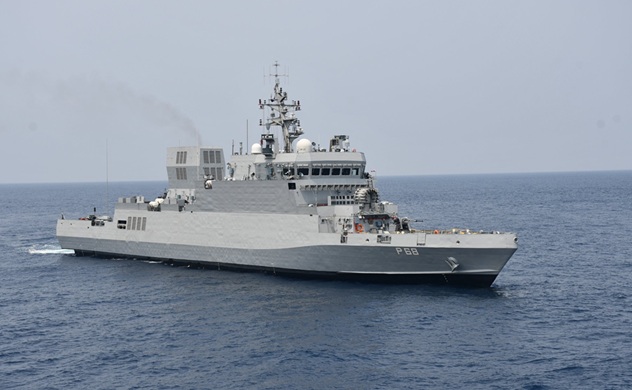
INS Arnala, the Indian Navy’s first indigenously designed and built Anti-Submarine Warfare Shallow Water Craft (ASW-SWC), has been commissioned, marking a significant milestone in India’s transition from a “Buyer’s Navy” to a “Builder’s Navy”.
Background: India’s Naval Indigenisation Drive

For decades, India relied heavily on foreign suppliers for its naval platforms and critical maritime technologies. However, evolving security challenges in the Indian Ocean Region (IOR), increasing underwater threats, and the need for strategic autonomy have driven a shift toward indigenous shipbuilding and defence manufacturing.

Government initiatives such as Make in India, Aatmanirbhar Bharat, and reforms in defence procurement have accelerated domestic design, development, and production capabilities.

Within this framework, the Indian Navy has prioritised the development of specialised vessels for coastal defence, anti-submarine warfare, and low-intensity maritime operations, leading to the conception of the ASW Shallow Water Craft programme.

INS Arnala represents the first tangible outcome of this effort.

About INS Arnala

INS Arnala is the first of eight ASW Shallow Water Crafts (ASW-SWCs) being built for the Indian Navy and is the Navy’s first indigenously designed and built vessel in this specialised category.

Key Features

  • Namesake: Named after the historic Arnala Fort in Maharashtra, reflecting India’s maritime heritage.
  • Propulsion: It is the largest Indian naval warship to be propelled by a Diesel Engine–Waterjet combination, enhancing manoeuvrability and shallow-water operations.
  • Design Role: Specifically designed for:
    • Underwater surveillance
    • Search and rescue operations
    • Low Intensity Maritime Operations (LIMO)
  • Operational Capabilities:
    • Conducting Anti-Submarine Warfare (ASW) in coastal and shallow waters
    • Advanced mine-laying and maritime security operations

These features enable INS Arnala to operate effectively in India’s vast littoral zones, ports, and island territories.

Strategic Significance

Enhancing Coastal and Littoral Security

INS Arnala strengthens India’s ability to detect, track, and neutralise submarines operating in shallow coastal waters, a critical vulnerability zone in modern maritime warfare.

Advancing Naval Indigenisation

As a fully indigenous platform, the vessel demonstrates the growing maturity of India’s naval design and shipbuilding ecosystem, reducing dependence on foreign suppliers and enhancing strategic autonomy.

Boost to Defence Manufacturing Ecosystem

The project supports domestic shipyards, component manufacturers, and technology providers, contributing to the growth of India’s defence industrial base and skilled workforce.

Strengthening Maritime Domain Awareness

With advanced surveillance and ASW capabilities, INS Arnala enhances India’s maritime domain awareness, particularly in the Indian Ocean Region, vital for countering non-traditional threats and grey-zone challenges.

Challenges and Way Forward

Despite progress, challenges remain:

  • Sustaining high levels of indigenous content across complex naval platforms
  • Integrating advanced sensors, weapons, and combat systems domestically
  • Ensuring timely delivery and lifecycle maintenance support

Going forward, India must:

  • Accelerate serial production of ASW-SWCs
  • Invest in indigenous sonar, propulsion, and weapon systems
  • Strengthen public–private partnerships in defence shipbuilding
  • Align naval modernisation with broader maritime security strategy

FAQs

1. What is INS Arnala ?

INS Arnala is the Indian Navy’s first indigenously designed and built Anti-Submarine Warfare Shallow Water Craft.

2. Why is INS Arnala significant ?

It marks a key step in India’s transition from a “Buyer’s Navy” to a “Builder’s Navy” and strengthens coastal ASW capabilities.

3. How many ASW-SWCs are planned for the Indian Navy ?

Eight ASW Shallow Water Crafts are planned, of which INS Arnala is the first.

4. What are the key operational roles of INS Arnala ?

Underwater surveillance, anti-submarine warfare in coastal waters, mine-laying, search and rescue, and low-intensity maritime operations.

5. What is unique about INS Arnala’s propulsion system ?

It is the largest Indian naval warship to use a Diesel Engine–Waterjet propulsion combination.

Strengthening Minds, Securing Futures: India’s Evolving Mental Health Strategy

Prelims: (Social Issues + Health + CA)
Mains: (GS 2 – Governance, Social Justice, Health)

Why in the News ?

The Economic Survey recently highlighted a sharp rise in digital addiction and screen-related mental health problems, especially among children and adolescents. Responding to these concerns, the Union Budget presented on February 1 announced major steps to strengthen India’s mental health infrastructure, including the establishment of a second National Institute of Mental Health and Neuro Sciences (NIMHANS) in north India and upgrades to premier institutions in Ranchi and Tezpur.

These initiatives aim to improve regional access, reduce the burden on existing facilities, and expand specialised mental healthcare services nationwide.

Background: Mental Health in India’s Public Health Landscape

Mental health has historically received limited attention in India’s public health policy, despite its deep social, economic, and demographic implications.

For decades, mental healthcare remained concentrated in a few urban, tertiary institutions, while community-based services remained underdeveloped. Social stigma, lack of awareness, and severe shortages of trained professionals further constrained access.

The enactment of the Mental Healthcare Act, 2017, marked a rights-based shift by recognising mental healthcare as a legal entitlement. However, implementation gaps, underfunding, and institutional capacity constraints have continued to limit its transformative impact.

The COVID-19 pandemic and the rapid expansion of digital lifestyles have further intensified psychological stress, anxiety, depression, and behavioural disorders, especially among youth, women, and the working population—forcing policymakers to reassess India’s mental health strategy.

India’s Mental Health Burden: Scale and Severity

India is currently facing a profound mental health crisis.

The country accounts for nearly one-third of global cases of suicide, depression, and addiction, making mental illness a major public health and developmental challenge.

High Suicide Burden Among Youth

Data from the National Crime Records Bureau (NCRB) and the Sample Registration System (SRS) reveal that:

  • Suicide is among the leading causes of death for Indians aged 15–29 years.
  • Adolescents and young adults face heightened vulnerability due to academic pressure, unemployment, social stress, relationship issues, and digital addiction.

Economic Cost of Mental Illness

According to the World Health Organization (WHO):

  • India is projected to lose $1.03 trillion between 2012 and 2030 due to mental health conditions.
  • Losses stem from reduced productivity, rising healthcare costs, absenteeism, and premature mortality.

Large Treatment Gap

A critical concern is the treatment gap, estimated at 70%–92% for most mental disorders.

This gap is driven by:

  • Low mental health literacy
  • Deep-rooted social stigma
  • Acute shortages of trained professionals
  • Inadequate infrastructure at the primary and community levels

Shortage of Mental Health Professionals

As per the Indian Journal of Psychiatry:

  • India has only 0.75 psychiatrists per 1,00,000 people
  • The WHO recommends at least 3 psychiatrists per 1,00,000

This shortage severely restricts access to diagnosis, counselling, therapy, and follow-up care.

Low Budgetary Priority

Despite an overall rise in health expenditure since FY2014–15, mental health receives only about 1% of the total health budget, limiting investment in infrastructure, manpower, outreach, and innovation.

Mental Health Infrastructure in India: Expanding Access Beyond Hospitals

Recognising the need to decentralise mental healthcare, the government has increasingly integrated mental health services into primary healthcare systems.

Integration under Ayushman Bharat

Mental health services are now part of the Comprehensive Primary Health Care package delivered through Ayushman Arogya Mandirs (Health and Wellness Centres).

  • Over 1.73 lakh sub-health centres and primary health centres have been upgraded.
  • These centres offer basic mental health screening, counselling, referral services, and follow-up care.
  • This approach reduces reliance on specialised hospitals and improves early detection and intervention.

Strengthening Specialist Capacity

To address manpower shortages, the government has expanded education and training capacity:

  • Over 20 Centres of Excellence sanctioned for postgraduate training in mental health.
  • 47 postgraduate departments in psychiatry and allied disciplines established nationwide.

These efforts aim to increase the availability of psychiatrists, psychologists, psychiatric social workers, and mental health nurses, particularly in underserved regions.

Tele-Mental Health Support: Tele MANAS

India has complemented physical infrastructure with digital outreach through Tele MANAS (Tele Mental Health Assistance and Networking Across States):

  • 24×7 toll-free mental health support via 14416 or 1-800-891-4416
  • Launched on October 10, 2022
  • 53 operational cells across 36 States and Union Territories
  • Supported by 23 specialised mentoring institutes

Tele MANAS bridges access gaps, particularly for people in remote areas or those hesitant to seek in-person care, and plays a vital role in crisis intervention and early support.

Where Does India Fall Short on Mental Health Funding ?

India’s mental health budget has increased from ₹683 crore in 2020–21 to approximately ₹1,898 crore in 2024–25.

However, experts argue that this apparent rise conceals a deeper problem of chronic underinvestment.

The allocation remains below 2% of the total health budget, which itself is only around 2% of India’s GDP—far below what the magnitude of the mental health burden demands.

Mismatch Between Spending and Need

The underinvestment becomes stark when weighed against:

  • India’s high suicide and depression burden
  • Massive treatment gaps
  • Substantial economic losses due to untreated mental illness

Despite these realities, mental health continues to receive low fiscal priority within health and social sector planning.

Overemphasis on Tertiary Institutions

A major concern is the skewed allocation pattern:

  • A significant portion of funds is directed toward tertiary institutions such as NIMHANS and newly established centres of excellence.
  • While these institutions are vital for research and advanced care, they:
    • Serve a limited population
    • Are concentrated in urban centres
    • Cannot mainstream mental healthcare in a country of India’s size and diversity

Experts stress the need for greater funding toward:

  • Community-based services
  • School and adolescent mental health programmes
  • Workplace mental health interventions
  • Early intervention and preventive care models

These approaches are more cost-effective and better suited to reaching underserved and vulnerable populations.

Utilisation Gap Compounds the Problem

Beyond low allocations, fund utilisation remains a serious challenge:

  • Mental health funds are often underutilised at both national and state levels.
  • Administrative bottlenecks, lack of trained local staff, and weak decentralised planning hinder effective spending.

Health experts argue that improved outcomes require decentralised, community-led planning, alongside capacity building at the district and block levels—not merely higher budget allocations.

The Way Ahead: Shifting to Preventive and Community-Based Mental Healthcare

India urgently needs to ensure affordable access, continuity of care, and timely treatment to prevent avoidable deaths, disability, and long-term social harm from mental illness.

Experts highlight:

  • An over-reliance on specialist-led, tertiary care
  • Severe shortages of trained professionals
  • A treatment access gap approaching 95% for certain disorders

Encouragingly, the government is now pivoting toward a whole-of-community approach, integrating mental well-being into:

  • School education systems
  • Workplace policies
  • Public health campaigns
  • Digital health platforms

This signals a strategic shift from a predominantly curative, hospital-based model to a preventive, promotive, and community-based mental healthcare framework, aligned with global best practices and Sustainable Development Goals.

Significance and Way Forward

India’s evolving mental health strategy marks a critical step toward recognising mental health as a central pillar of public health, social justice, and human development.

By expanding infrastructure, integrating mental health into primary care, leveraging digital platforms, and strengthening training capacity, the government is addressing long-standing structural gaps.

However, for lasting impact:

  • Mental health must receive sustained and proportionate fiscal priority.
  • Community-level services and preventive interventions must be scaled up.
  • Social stigma must be addressed through education, advocacy, and cultural change.
  • Monitoring, evaluation, and accountability mechanisms must be strengthened.

A mentally healthy population is essential for demographic dividend, economic productivity, social cohesion, and national well-being.

FAQs

1. Why is mental health a growing concern in India ?

Rising suicide rates, digital addiction, academic stress, unemployment, and social pressures have significantly increased mental health disorders, especially among youth.

2. What steps has the government taken to improve mental healthcare access ?

Measures include integrating mental health into primary healthcare, expanding training capacity, launching Tele MANAS, and establishing new specialised institutions.

3. Why is India’s mental health funding considered inadequate ?

Despite recent increases, mental health receives less than 2% of the health budget, which is insufficient given the scale of disease burden and treatment gaps.

4. What role does Tele MANAS play in mental healthcare delivery ?

Tele MANAS provides 24×7 free tele-counselling and crisis support, improving access for remote, underserved, and hesitant populations.

5. What is the future direction of India’s mental health policy ?

India is shifting toward preventive, community-based, and school- and workplace-integrated mental healthcare, moving beyond hospital-centric models.

Infertility in India, Definition, Trends and Statistics

Context

Infertility is emerging as a serious public health challenge in India by 2026. Experts are now emphasizing that mental health is not only a consequence of infertility but also a physiological driver of reproductive failure across all genders.

Infertility in India

Definition

  • Infertility in India is defined as a condition in which a couple is unable to conceive despite 12 months of regular, unprotected sexual intercourse. Traditionally, it has been considered a women's problem due to deeply ingrained patriarchal norms in society.
  • However, recent data indicate that male and female factors contribute almost equally. By 2026, attention has shifted to the silent crisis of male infertility and the biological impact of mental stress on gametes.

Key Trends and Statistics

  • National Prevalence: Approximately 15–20% of couples in India (about 30 million) are affected by infertility, with higher rates in urban areas.
  • Declining Total Fertility Rate (TFR): India's TFR has declined to 1.9, below the replacement level of 2.1. This is due to both voluntary and involuntary infertility.
  • Increasing Male Factor: Male factors are now responsible for 40–50% of cases, linked to deterioration in sperm quality from environmental toxins and stress.
  • Urban–Rural Difference: Primary infertility (never having conceived) is higher in urban areas, while secondary infertility, often caused by untreated infections, is higher in rural areas.
  • Expansion of IVF: The Indian IVF market, valued at $900 million in 2024, is projected to grow to $1.8 billion by 2029, reflecting the growing demand for medical assistance.

Reasons for the Rise of Infertility in India

  • Delayed Motherhood and Fatherhood: Career priorities and the pursuit of financial stability are pushing the average age of first-time parents beyond the biologically optimal age. For example, Bengaluru and Mumbai saw a 25% increase in the number of women seeking fertility treatment after the age of 35 during 2025–26.
  • Environmental Pollution: Endocrine-disrupting chemicals (EDCs) present in air and water are affecting hormonal balance. For example, a study in Delhi found that sperm motility in healthy young men temporarily decreased on days with poor air quality.
  • Lifestyle diseases: Obesity and polycystic ovary syndrome (PCOS) have become widespread due to sedentary lifestyles and processed diets. Example: By 2026, an estimated one in five Indian women will suffer from PCOS, a leading cause of anovulatory infertility.
  • Chronic mental stress: Workplace stress increases cortisol levels, which disrupts the HPA axis, affecting ovulation and sperm production. Example: Research published in Frontiers in Endocrinology (2024) found that depression in Indian men is associated with reduced sperm density.
  • Untreated reproductive infections: The stigma associated with STIs and pelvic inflammatory disease (PID) in rural areas leads to blockage of the fallopian tubes. Example: In states like Bihar, many tubal factor infertility cases were linked to untreated postpartum infections or tuberculosis.

Key Challenges Associated with Infertility

  • Social Stigma and Exclusion: Women who are unable to conceive are called derogatory names and excluded from social and religious gatherings. For example, in many rural areas of Tamil Nadu, the word "Maladi" is still used to socially isolate women.
  • Exorbitant Cost of Treatment: IVF and ART procedures pose a significant financial burden for the middle and lower classes. For example, the average cost of an IVF cycle in 2026 is ₹1.5–3 lakh, while more than 90% of health insurance plans do not cover infertility.
  • Silence on Male Infertility: Patriarchal thinking prevents men from seeking medical attention, forcing women to undergo unnecessary and invasive tests. For example, a 2025 clinical review found that men, on average, seek fertility testing for the first time 3–5 years later than women.
  • Psychological Vicious Cycle: The stress of failing to conceive becomes a biological barrier. Example: Menstrual cycles of hope and despair in IVF patients have been linked to increased levels of salivary alpha-amylase, which reduces the likelihood of implantation.
  • Regulatory gaps in Tier-II/III cities: Clinics rapidly opening in smaller cities are operating without standardized protocols and transparent success rates. Example: The ART 2025 guidelines have led to the closure of several illegal clinics in North India.

Government Initiatives

  • ART and Surrogacy (Regulation) Act: Mandatory registration of all clinics under the 2025 guidelines and prevention of donor exploitation
  • Budget 2026 Health Focus: Proposed upgrade of NIMHANS-2 and Regional Mental Health Institutes
  • Project Sanjivani: Pilot project for reproductive health awareness in five states
  • National Digital Registry: Transparent system for monitoring ART outcomes

Way Forward

  • Health Integration: Mandatory counseling in every IVF cycle
  • Insurance Coverage: Mandatory partial insurance for infertility by IRDAI
  • Workplace Sensitization: Fertility leave and egg freezing support
  • Male-Centric Campaign: Eliminate the stigma associated with male infertility
  • Community Awareness: Through ASHA workers

Conclusion

In 2026, infertility is no longer just a biological problem, but a profound social and mental health challenge. By adopting a gender-neutral approach and combining scientific advances with sensitive social discourse, India can transform reproductive care from a journey of silent suffering to a process of dignity. True healing is possible only when both mind and body are given equal priority.

Sodium-Ion Battery Technology, Working Mechanism Features and Benefits

Context

India is reconsidering its battery policy amid concerns about its high dependence on critical minerals associated with lithium-ion batteries, an import-dependent supply chain, and supply security concerns. In this scenario, sodium-ion battery technology is emerging as a viable alternative solution for EVMs.

About Sodium-Ion Battery Technology

  • Sodium-ion batteries (SiBs) are rechargeable batteries that use sodium ions (Na) instead of lithium ions to store and release energy.
  • Structurally, they are part of the rocking-chair battery system like lithium-ion batteries, but the raw materials used are relatively more readily available and abundant.

Working Mechanism

  • During charging: Sodium ions move from the cathode to the anode through the electrolyte, while electrons flow through the external circuit.
  • During discharging: Sodium ions return from the anode to the cathode, releasing stored electrical energy.
  • Unlike lithium-ion batteries, which use copper at the anode, sodium-ion batteries use aluminum as current collectors at both electrodes.

Key Features and Benefits

  • Reduced raw material risk: Easily obtained sodium from sources such as salt and soda ash is widely available. This reduces dependence on rare critical minerals such as lithium, cobalt, and nickel.
  • Improved safety: These batteries are less prone to thermal runaway and can be safely stored and transported even at 0% charge.
  • Manufacturing-friendly: Sodium batteries can be manufactured with minor technical modifications to existing lithium-ion battery production lines.
  • Long-term cost advantage: Due to the abundance of raw materials and a simplified supply chain, these batteries could become more cost-effective than lithium-ion alternatives in the future.
  • Strategic importance for India: This technology strengthens energy security and is consistent with the goals of domestic manufacturing, grid-scale energy storage, and self-reliance.

Limitations and challenges

  • Low energy density: The specific and volumetric energy density are currently lower than high-performance lithium-ion batteries, limiting their use in long-range electric vehicles.
  • Lack of technological maturity: Compared to lithium-ion technology, sodium-ion batteries are still in the early commercial stages and their performance is still being improved.
  • Moisture sensitivity: More stringent drying and vacuum conditions are required during manufacturing, making the production process somewhat complex.
  • Limited scope of use: Currently, this technology is primarily suitable for stationary energy storage, two-wheeled and three-wheeled vehicles, and short-haul mobility, while its use in premium electric vehicles is limited.

Conclusion

Overall, sodium-ion batteries present a strategic and long-term option for India. This technology can play a significant role in reducing import dependence, strengthening energy security, and developing an indigenous battery ecosystem.

« »
  • SUN
  • MON
  • TUE
  • WED
  • THU
  • FRI
  • SAT
Have any Query?

Our support team will be happy to assist you!

OR
X