New
Hindi Medium: (Delhi) - GS Foundation (P+M) : 14th Oct. 2026, 06:00 PM Hindi Medium: (Prayagraj) - GS Foundation (P+M) : 23rd Oct. 2026, 11:00 AM English Medium: (Delhi) - GS Foundation (P+M) : 12th Oct. 2026, 5:30PM English Medium: (Prayagraj) - GS Foundation (P+M) : 19th Aug 2026, 11:00 AM Hindi Medium: (Delhi) - GS Foundation (P+M) : 14th Oct. 2026, 06:00 PM Hindi Medium: (Prayagraj) - GS Foundation (P+M) : 23rd Oct. 2026, 11:00 AM English Medium: (Delhi) - GS Foundation (P+M) : 12th Oct. 2026, 5:30PM English Medium: (Prayagraj) - GS Foundation (P+M) : 19th Aug 2026, 11:00 AM

Current Affairs for 10 October 2026

Ambaji Mohanthal Prasad of Gujarat Gets Geographical Indication (GI) Tag

Why in News?

  • The traditional Mohanthal Prasad offered at the Ambaji Temple in Gujarat has received a Geographical Indication (GI) tag, recognizing its connection with the region’s religious and culinary heritage. 
  • The GI tag was granted on October 8, 2026, following an application submitted by the Shree Arasuri Ambaji Mata Devsthan Trust on October 1, 2026. 
  • The formal certificate handover ceremony is scheduled for October 11, 2026, coinciding with the first day of Navratri.

Important Points 

  • Product: Ambaji Mohanthal Prasad
  • State: Gujarat
  • GI tag granted on: October 8, 2026
  • Applicant: Shree Arasuri Ambaji Mata Devsthan Trust
  • GI classification: Class 30, covering food products such as confectionery and sweets
  • Certificate handover: October 11, 2026
  • Occasion: First day of Navratri

Prof. Dr. Unnat P. Pandit, Controller General of Patents, Designs and Trade Marks and Registrar of Geographical Indications, is scheduled to deliver a lecture and hand over the certificate to the temple trust.

What Is Mohanthal Prasad?

  • Mohanthal is a traditional Indian sweet prepared mainly from gram flour, ghee and sugar. The sweet offered at the Ambaji Temple holds religious and cultural significance and is closely associated with the region’s culinary traditions.
  • The GI tag recognizes the connection between Ambaji Mohanthal and its geographical origin, helping preserve its traditional identity.

What Is a Geographical Indication (GI) Tag?

  • A Geographical Indication (GI) tag is an intellectual property right used to identify products whose distinctive qualities, reputation or characteristics are linked to a specific geographical origin.
  • In India, GI registration is governed by the Geographical Indications of Goods (Registration and Protection) Act, 1999.
  • A GI tag helps protect the identity and reputation of region-specific products and supports the preservation of traditional knowledge and production practices.

Significance of the GI Tag for Ambaji Mohanthal

The recognition is significant for several reasons:

  • Protection of regional identity: It formally recognizes the association between Ambaji Mohanthal and its place of origin.
  • Preservation of culinary heritage: It helps safeguard the identity of a traditional sweet linked to religious practices and local food traditions.
  • Promotion of traditional products: GI recognition can improve awareness of region-specific products and their cultural importance.
  • Religious and cultural significance: The scheduled certificate ceremony during Navratri highlights the connection between the prasad and the temple’s religious traditions.

Other GI-Tagged Temple Prasad in India

India has several traditional offerings associated with temples and regional religious practices. Examples include:

  • Tirupati Laddu: Associated with the Tirumala Venkateswara Temple in Andhra Pradesh.
  • Palani Panchamirtham: A traditional offering associated with the Palani Murugan Temple in Tamil Nadu.
  • Ambaji Mohanthal: The traditional prasad associated with the Ambaji Temple in Gujarat.

These products illustrate how GI recognition can help preserve the identity of traditional foods associated with particular regions and religious institutions.

Challenges in GI Protection

  • Limited awareness: Many producers may not fully understand the benefits and requirements of GI registration.
  • Weak enforcement: Unauthorized use of GI names can undermine the reputation of registered products.
  • Market access: Traditional producers may struggle to reach wider markets and compete with mass-produced goods.
  • Quality consistency: Maintaining consistent quality while preserving traditional production methods can be challenging.
  • Unequal distribution of benefits: The commercial gains from GI recognition may not reach all local producers equally.

Way Forward

  • Greater awareness among producers, effective monitoring against misuse, improved marketing and appropriate quality standards can strengthen GI protection. 
  • Cooperation between local institutions, producer groups and government agencies can help ensure that the benefits reach the communities associated with traditional products.

Conclusion

The GI tag for Ambaji Mohanthal Prasad recognizes its close connection with Gujarat’s religious and culinary heritage. It also highlights the role of geographical indication protection in preserving traditional products and strengthening their regional identity.

Prelims Practice Question

Q. Consider the following statements about Ambaji Mohanthal Prasad:

  1. It is associated with the Ambaji Temple in Gujarat.
  2. It received a Geographical Indication (GI) tag under Class 30.
  3. GI registration in India is governed by the Geographical Indications of Goods (Registration and Protection) Act, 1999.

Which of the statements given above are correct?

(a) 1 and 2 only

(b) 2 and 3 only

(c) 1 and 3 only

(d) 1, 2 and 3

Mains Practice Question

Discuss the role of Geographical Indication tags in protecting India's traditional knowledge, cultural heritage and regional economies. What challenges affect their effective implementation? 

FAQs

1. Which traditional prasad from Gujarat received a GI tag in October 2026?

Ambaji Mohanthal Prasad, associated with the Ambaji Temple in Gujarat, received a GI tag.

2. When was the GI tag granted to Ambaji Mohanthal?

The GI tag was granted on October 8, 2026.

3. Which organization applied for the GI tag?

The Shree Arasuri Ambaji Mata Devsthan Trust submitted the application.

4. Under which class was Ambaji Mohanthal registered?

It was registered under Class 30, which includes food products such as sweets and confectionery.

5. Which law governs GI registration in India?

The Geographical Indications of Goods (Registration and Protection) Act, 1999, governs GI registration in India.

World Mental Health Day 2026: Theme, Key Facts, History, Major Initiatives in India, Significance and Challenges

Why in News?

World Mental Health Day is observed every year on 10 October to raise awareness about mental health, reduce stigma surrounding mental disorders and promote access to mental healthcare.

Key Facts

Date

10 October

First Observed

1992

Initiated By

World Federation for Mental Health (WFMH)

Supported By

World Health Organization (WHO)

2026 Theme

Lived Experiences Heard: Real Voices, Real Change

Objective

To promote mental well-being, reduce discrimination and ensure accessible and affordable mental healthcare services

History of the Day

1948

The World Federation for Mental Health (WFMH) was established to promote mental health awareness worldwide.

1992

World Mental Health Day was first observed on 10 October initiated by WFMH Deputy Secretary-General Richard Hunter.

1994

The first specific theme “Improving the Quality of Mental Health Services throughout the World” was introduced.

2001

WHO released its World Health Report titled “Mental Health: New Understanding, New Hope”

2013

WHO adopted the Comprehensive Mental Health Action Plan 2013-2020, subsequently extended to 2030

2026

World Mental Health Day continues to promote mental health awareness, inclusive healthcare and the involvement of people with lived experience.

What is Mental Health?

  • According to the World Health Organization (WHO), mental health is a state of mental well-being that enables people to cope with life's stresses, realise their abilities, learn and work effectively, and contribute to their communities.
  • Mental health includes three major dimensions:
    • Emotional Well-being: Ability to understand and manage emotions.
    • Psychological Well-being: Ability to cope with challenges and maintain a positive sense of self.
    • Social Well-being: Ability to maintain healthy relationships and participate in society.

Global Mental Health Situation

  • According to WHO estimates, approximately 1.1 billion people worldwide were living with mental disorders in 2021.
  • Anxiety and depressive disorders are among the most common mental health conditions globally.
  • Mental health conditions can affect education, productivity, employment and social relationships.
  • Poverty, discrimination, social isolation, humanitarian emergencies and unequal access to healthcare can increase mental health risks.
  • WHO emphasises the importance of community-based mental healthcare and integrating mental health services into primary healthcare systems.

Mental Health Situation in India

  • The National Mental Health Survey (2015-16) conducted by NIMHANS estimated that approximately 10.6% of Indian adults were experiencing mental morbidity at the time of the survey.
  • The survey identified a substantial treatment gap for mental disorders, ranging from approximately 70% to 92%, depending on the condition.
  • Rural and economically disadvantaged populations often experience greater difficulties accessing specialised mental healthcare.
  • Increasing academic pressure, unemployment, workplace stress and social isolation highlight the importance of preventive mental healthcare.

Major Mental Health Initiatives in India

  • National Mental Health Programme (NMHP), 1982
    • Launched by the Government of India in 1982.
    • Aims to provide accessible and affordable mental healthcare.
    • Focuses on integrating mental health services with general healthcare.
    • Promotes early detection, treatment and rehabilitation of mental disorders.
  • District Mental Health Programme (DMHP), 1996
    • Extends mental healthcare services to district and community levels.
    • Provides outpatient treatment, counselling and awareness programmes.
  • Mental Healthcare Act, 2017
    • Provides a rights-based legal framework for mental healthcare in India.
    • Recognises the right to access mental healthcare and treatment.
    • Protects the dignity, confidentiality and rights of persons with mental illness.
    • Establishes safeguards relating to admission, treatment and mental healthcare institutions.
    • Section 115 creates a presumption of severe stress in cases of attempted suicide and provides for care, treatment and rehabilitation.
  • Tele-MANAS Initiative, 2022
    • Tele-MANAS (Tele-Mental Health Assistance and Networking across States) was launched on 10 October 2022.
    • Provides free, 24×7 tele-mental health support.
    • National helpline number: 14416.
    • Offers counselling, psychological support and referral services.
  • National Suicide Prevention Strategy, 2022
    • Launched by the Ministry of Health and Family Welfare.
    • Aims to reduce suicide mortality by 10% by 2030, compared with 2020 levels.
    • Focuses on awareness, early intervention, responsible media reporting and strengthening mental health services.
    • Promotes coordinated action involving healthcare institutions, educational organisations and communities.

Significance 

  • Mental Health Awareness: Encourages public understanding of mental health conditions and their treatment.
  • Reducing Social Stigma: Challenges discrimination and misconceptions surrounding mental illness.
  • Human Rights Protection: Promotes dignity, equality and rights-based treatment for persons with mental illness.
  • Economic Productivity: Recognises the relationship between mental well-being, workforce participation and economic development.
  • Social Inclusion: Encourages supportive environments in schools, workplaces, families and communities.

Challenges 

  • Social Stigma: Negative attitudes discourage individuals from seeking professional help.
  • Shortage of Professionals: Limited availability and uneven distribution of psychiatrists, psychologists and counsellors.
  • Rural-Urban Divide: Specialised mental healthcare facilities are concentrated in urban centres.
  • Financial Barriers: Treatment expenses and limited service availability affect affordability.
  • Low Awareness: Misconceptions and insufficient mental health literacy contribute to delayed treatment.

Prelims MCQ

Q. Consider the following statements regarding World Mental Health Day:

  1. It is observed annually on 10 October.
  2. It was initiated by the World Federation for Mental Health in 1992.
  3. Tele-MANAS was launched in India in 2017 under the Mental Healthcare Act.

Which of the statements given above is/are correct?

(a) 1 and 2 only

(b) 2 and 3 only

(c) 1 and 3 only

(d) 1, 2 and 3

Mains Practice Question

Q. Discuss the major challenges in ensuring accessible mental healthcare in India. 

FAQs

When is World Mental Health Day observed?

10 October every year

Who initiated World Mental Health Day?

The World Federation for Mental Health (WFMH) 

What is the WHO campaign theme for World Mental Health Day 2026?

Lived Experiences Heard: Real Voices, Real Change

When was India's National Mental Health Programme launched?

1982.

What is Tele-MANAS?

It is India's 24×7 tele-mental health support initiative.

INS Mangrol Commissioning 2026: India’s Coastal Defence and Anti-Submarine Warfare

Prelims: INS Mangrol, Anti-Submarine Warfare Shallow Water Craft (ASW-SWC), Cochin Shipyard Limited (CSL), Abhay Sonar, Mareech Advanced Torpedo Decoy System, Make in India, Aatmanirbhar Bharat.
Mains: GS Paper III – Defence and Security, Maritime Security, Indigenous Defence Manufacturing, Technological Development and Self-Reliance in Defence.
Keywords: INS Mangrol, Indian Navy, Anti-Submarine Warfare, ASW-SWC, Cochin Shipyard Limited, Coastal Security, Indigenous Defence Technology, Maritime Surveillance, Aatmanirbhar Bharat.

Why in News?

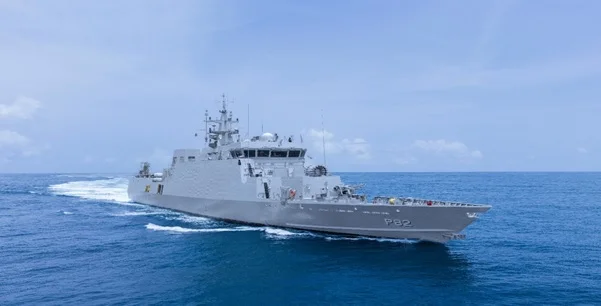
  • The Indian Navy is scheduled to commission INS Mangrol on October 12, 2026, at the Naval Dockyard in Mumbai. It is the third Anti-Submarine Warfare Shallow Water Craft (ASW-SWC) built by Cochin Shipyard Limited (CSL).
  • Vice Admiral Sanjay Vatsayan, Flag Officer Commanding-in-Chief of the Western Naval Command, is scheduled to preside over the commissioning ceremony.
  • Built with more than 80% indigenous content, INS Mangrol reflects India’s growing capabilities in warship construction and the integration of domestically developed weapons and sensors.

What Is INS Mangrol?

  • INS Mangrol is an Anti-Submarine Warfare Shallow Water Craft designed specifically for operations in shallow coastal waters, where the movement of larger warships may be constrained.
  • Its primary role is to detect, track and engage hostile submarines operating near the coastline. It can also support maritime surveillance, port security and other low-intensity maritime operations.

Major Technological Features of INS Mangrol

  • INS Mangrol is equipped with an Abhay hull-mounted sonar system, which uses sound waves to detect and locate underwater objects.
  • Sonar is essential for submarine detection because visibility is limited beneath the sea surface. It helps naval forces identify potential underwater threats and develop an operational picture of surrounding waters.

Anti-Submarine Weapons

  • The vessel is equipped with lightweight torpedoes and an indigenous anti-submarine rocket launcher.
  • These weapons provide the capability to engage submarine targets once they have been detected and appropriately tracked.
  • The combination of underwater detection systems and anti-submarine weapons strengthens the vessel’s role in coastal defence operations.

Mareech Advanced Torpedo Decoy System

  • INS Mangrol also features the Mareech Advanced Torpedo Decoy System, designed to help protect naval platforms against incoming torpedo threats.
  • The system works by diverting or confusing an incoming torpedo, thereby improving the vessel’s chances of survival.

Propulsion and Manoeuvrability

  • The vessel is powered by three diesel engines and a waterjet propulsion system.
  • Waterjet propulsion can support manoeuvrability in shallow waters, making the vessel suitable for operations near coastlines, harbours and other confined maritime environments.

Operational Roles of INS Mangrol

INS Mangrol is designed to perform several maritime security functions beyond anti-submarine warfare.

  1. Anti-submarine warfare: Detecting, tracking and engaging hostile submarines in coastal waters.
  2. Underwater surveillance: Monitoring underwater activity to improve maritime situational awareness.
  3. Port and harbour protection: Supporting the security of strategically important ports, naval facilities and coastal approaches.
  4. Low-intensity maritime operations: Participating in maritime security missions that do not necessarily involve high-intensity naval combat.
  5. Mine warfare-related tasks: Supporting activities associated with maritime mine warfare.

The vessel can also operate alongside maritime patrol aircraft, helicopters and other warships as part of coordinated anti-submarine operations.

Historical Significance

  • INS Mangrol is named after the coastal town of Mangrol in Gujarat’s Junagadh district, a prominent fishing harbour.
  • The name also carries forward the legacy of the earlier INS Mangrol (M85), a minesweeper that served the Indian Navy until April 7, 2004.
  • The new vessel therefore connects India’s maritime heritage with the modernisation of its naval capabilities.

Strategic Significance for India’s Maritime Security

  • India has an extensive coastline and numerous strategically important ports. Protecting these areas against underwater threats is an essential component of maritime security.
  • INS Mangrol can strengthen coastal defence by improving the Navy’s ability to monitor and respond to potential submarine activity in shallow waters.

Protecting Maritime Trade

  • India relies heavily on maritime routes for international trade and energy supplies. The security of ports, coastal infrastructure and maritime approaches is therefore important for economic stability.
  • Anti-submarine warfare vessels can contribute to protecting these critical maritime assets against underwater threats.

Enhancing Security Along the Western Coast

  • Mumbai and the wider western maritime region are important for commercial shipping, energy infrastructure and naval operations.
  • The induction of specialised shallow-water combatants can strengthen the Navy’s ability to address underwater threats in this strategically significant region.

Supporting Multi-Layered Maritime Surveillance

  • Modern maritime security depends on coordination among warships, submarines, maritime patrol aircraft, helicopters, sonar systems and coastal surveillance networks.
  • INS Mangrol can contribute to this integrated approach by supporting coordinated operations and information sharing between different naval platforms.

Contribution to Aatmanirbhar Bharat in Defence

  • INS Mangrol is significant not only for its operational role but also for its contribution to indigenous defence manufacturing.
  • The use of more than 80% indigenous content reflects the growing role of Indian shipyards and domestic defence manufacturers in meeting the Indian Navy’s requirements.

Strengthening the Domestic Defence Industry

  • Indigenous warship programmes create opportunities for shipyards, equipment manufacturers, sensor developers and other defence-sector suppliers.
  • These programmes can support employment, skill development, technological innovation and long-term industrial capacity.
  • However, a high proportion of indigenous content does not automatically imply complete technological independence. Sustained progress also requires reliable domestic supply chains, effective maintenance capabilities and dependable performance of critical systems.

Key Challenges

  • Underwater threat detection: Shallow-water environments can complicate sonar-based detection because of variations in depth, underwater noise and coastal activity.
  • Technological integration: Effective coordination between sonar, weapons, communication systems and other sensors is essential for successful operations.
  • Maintenance and operational availability: Long-term effectiveness depends on trained personnel, timely repairs and the availability of spare parts.
  • Evolving submarine technologies: Anti-submarine warfare capabilities must continue to adapt to increasingly sophisticated submarines and changing underwater warfare techniques.
  • Joint operational coordination: Effective cooperation with aircraft, helicopters and other warships requires regular exercises, reliable communication and efficient information sharing.

Way Forward

  • Strengthen indigenous research and development: Prioritise domestic development of sonar, torpedoes, communication systems and other critical defence technologies.
  • Improve network-centric maritime surveillance: Enhance real-time information sharing between warships, aircraft, helicopters and coastal surveillance systems.
  • Expand specialised training: Conduct regular anti-submarine warfare exercises to improve crew proficiency and operational readiness.
  • Develop domestic maintenance capabilities: Strengthen indigenous supply chains for spare parts, repairs and technical support.
  • Improve inter-agency coordination: Enhance information sharing and operational cooperation between the Navy, Coast Guard and other maritime security agencies.

Conclusion

  • The commissioning of INS Mangrol represents an important step towards strengthening India’s coastal anti-submarine warfare capabilities and indigenous warship-building capacity.
  • Its sonar system, anti-submarine weapons and waterjet propulsion make it suitable for specialised operations in shallow coastal waters.
  • However, its long-term operational effectiveness will depend on regular training, maintenance, technological reliability and coordination with other maritime security platforms.

Prelims Practice MCQ

Question: With reference to INS Mangrol, consider the following statements:

  1. It belongs to the Anti-Submarine Warfare Shallow Water Craft category.
  2. It has been built by Cochin Shipyard Limited.
  3. It has more than 80% indigenous content.
  4. It has been designed primarily for aircraft carrier operations in deep oceans.

Which of the statements given above are correct?

(a) 1 and 2 only

(b) 1, 2 and 3 only

(c) 2, 3 and 4 only

(d) 1, 2, 3 and 4

Mains Practice Question

“Indigenous warship development plays a crucial role in strengthening India’s maritime security and self-reliance in defence.” Analyse this statement in the context of INS Mangrol.

FAQs

Q1. What is INS Mangrol?

INS Mangrol is an Anti-Submarine Warfare Shallow Water Craft designed to detect and counter submarine threats in shallow and coastal waters.

Q2. Who built INS Mangrol?

The vessel has been built by Cochin Shipyard Limited (CSL).

Q3. What are its major technological features?

Its major features include the Abhay hull-mounted sonar, lightweight torpedoes, an indigenous anti-submarine rocket launcher, the Mareech Advanced Torpedo Decoy System and waterjet propulsion.

Q4. What percentage of INS Mangrol is indigenous?

According to the provided information, the vessel has more than 80% indigenous content.

Q5. Why is INS Mangrol important for India?

It can strengthen coastal anti-submarine warfare, underwater surveillance, port security and the domestic defence manufacturing ecosystem.

upsc english
« »
  • SUN
  • MON
  • TUE
  • WED
  • THU
  • FRI
  • SAT
Have any Query?

Our support team will be happy to assist you!

OR