New
GS Foundation (P+M) - Delhi : 19th Jan. 2026, 11:30 AM GS Foundation (P+M) - Prayagraj : 09th Jan. 2026, 11:00 AM GS Foundation (P+M) - Delhi : 19th Jan. 2026, 11:30 AM GS Foundation (P+M) - Prayagraj : 09th Jan. 2026, 11:00 AM

Current Affairs for 13 January 2026

PPP Model Medical Colleges

Context

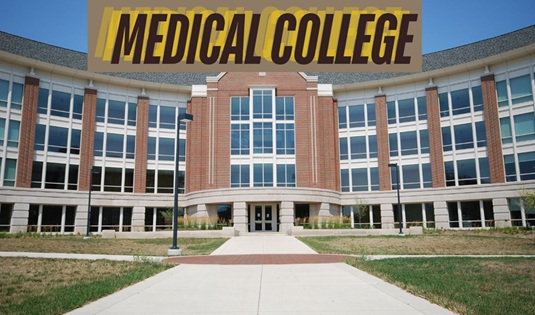
Recently, the foundation stone for the country's first medical colleges based on the Public-Private Partnership (PPP) model has been laid in the tribal-dominated areas of Madhya Pradesh, transforming India's health infrastructure. This initiative will not only make medical education accessible but also improve the quality of health services in remote areas.

About the Initiative

  • Under this scheme, medical colleges will be established under the PPP model in four districts of Madhya Pradesh: Dhar, Betul, Katni, and Panna.
  • These colleges will be affiliated with existing district hospitals, thereby strengthening medical education, health infrastructure, and service delivery in an integrated manner.
  • The primary objective of this initiative is to address the shortage of doctors in tribal and backward areas.

PPP About the Model

  • Public-Private Partnership (PPP) is an arrangement in which the government and private sector jointly develop and operate public infrastructure or services.
  • In this model, the private partner invests in construction, financing, management, or operation, while the government provides policy support, land, or other resources.
  • Under this system, risks and responsibilities are clearly divided, and payments and concessions are often linked to performance standards.

Main Types of PPP Models

  • Build-Operate-Transfer (BOT)/Design-Build-Finance-Operate-Transfer (DBFOT): In this arrangement, a private entity designs, constructs, and finances a project and, after operating it for a specified period, hands over the asset to the government.
  • Operation and Maintenance (O&M): In this arrangement, a private company assumes responsibility for the management and maintenance of a public asset for a limited contract period.
  • Lease-Develop-Operate (LDO) Model: In this model, existing public assets are leased to private entities for development and operation during the concession period.

Government Incentives for PPP Projects

The government provides several financial and policy supports to make PPP projects attractive:

  • Viability Gap Funding (VGF): If a socially necessary project is not commercially viable, the government provides capital grants up to 40% of the project cost.
  • IIPDF Fund: This fund provides financial assistance for preparing feasibility reports and structuring projects.
  • IIFCL Loan: Loan assistance is provided at low interest rates for long-term infrastructure projects.
  • Foreign Direct Investment: To promote foreign investment in this sector, 100% investment is permitted through the Automatic Route.

Violence in Karbi Anglong: A Clash of Land Rights, Autonomy, and Identity

Context

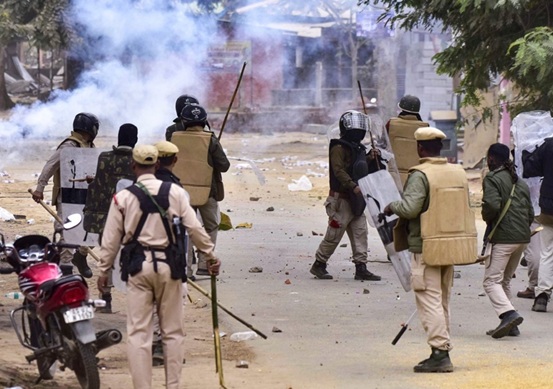
  • The recent violence in Assam's West Karbi Anglong district has once again brought to the forefront the complex issues of land rights and self-governance in Northeast India. The violence has resulted in deaths and injuries, arson of shops and markets, suspension of mobile internet services, and the imposition of curfews.
  • This unrest is not accidental, but the result of long-standing land disputes, particularly those related to grazing reserve lands under the jurisdiction of the Karbi Anglong Autonomous Council (KAAC).

Immediate Cause of Violence

  • The main demand of the protesters, who are on a hunger strike over grazing land, is the removal of alleged encroachers from PGR (Professional Grazing Reserve) and VGR (Village Grazing Reserve) lands.
  • These grazing lands are a legacy of British colonial-era land settlements and have traditionally been the basis of the tribal communities' animal husbandry-based livelihoods.
  • The transfer of fasting protesters to Guwahati for health reasons led locals to believe they were under arrest. This led to stone-pelting, arson, and widespread violence.

Background of the Karbi Anglong Dispute

  • The Sixth Schedule and Autonomous Governance: The Karbi Anglong and West Karbi Anglong districts fall under the Sixth Schedule of the Constitution. Under this, the Karbi Anglong Autonomous Council (KAAC) is granted special powers related to land management, forest resources, and local administration. These provisions aim to protect tribal identity, culture, and resources.
  • Insurgency and Identity Politics: Karbi militant groups have been active in the region since the late 1980s. Initially, their demand was for a separate Karbi state, but later evolved into a demand for greater autonomy. The legacy of this conflict has deepened a sense of distrust and hostility toward "outsiders."

Land Disputes: PGR (Professional Grazing Reserve) and VGR (Village Grazing Reserve)

  • Encroachment vs. Legal Residence: Karbi tribal organizations allege that large-scale illegal settlements have been established on grazing lands. On the other hand, non-tribal communities living here, such as Biharis, Bengalis, and Nepalis, claim decades of residence and demand regularization of their settlements.
  • Political Sensitivities: Tensions escalated significantly when an organization of the Bihari Noniya community submitted a memorandum to the President demanding legal status for the migrants. Karbi organizations viewed this as a direct challenge to the constitutional protections granted under the Sixth Schedule.
  • Legal Obstacles and Administrative Limitations: K.A.A.C. A 15-day eviction notice was issued by the government, but the eviction process was put on hold due to a public interest litigation pending in the Guwahati High Court. The administration stated that proceeding with the eviction while the judicial proceedings were ongoing risked contempt of court.

Key Challenges and Possible Solutions

  1. Traditional Rights vs. Settlers' Claims: A clear and humane rehabilitation policy is needed for long-settled non-tribal communities.
  2. Weak Implementation of the Sixth Schedule: The PGR and VGR Clarity on the legal status of land and a strong institutional framework for its protection
  3. Judicial Delays: Timely judicial resolution of land dispute cases
  4. Lack of Trust: Promote a Dialogue-Based Approach between the KAAC, State Administration, Adivasi Organizations, and Settlers
  5. Threat of Ethnic Polarization: Strengthen Early Warning Systems, Community Policing, and Local Peace Mechanisms

Conclusion

The violence in Karbi Anglong highlights the delicate balance between Adivasi autonomy, land rights, and demographic pressures in Sixth Schedule areas. If institutional clarity, sensitive governance, and inclusive conflict resolution are not prioritized, such conflicts may recur in the future. Lasting peace requires that land-related issues be resolved through the rule of law, constitutional values, and participatory governance, strengthening social cohesion and internal security in Northeast India.

When a Workhorse Stumbles: What Consecutive PSLV Failures Reveal About ISRO’s Launch Systems

Prelims: (Science & Technology + CA)
Mains: (GS 3 – Space Technology, Indigenisation, Institutional Capacity)

Why in News ?

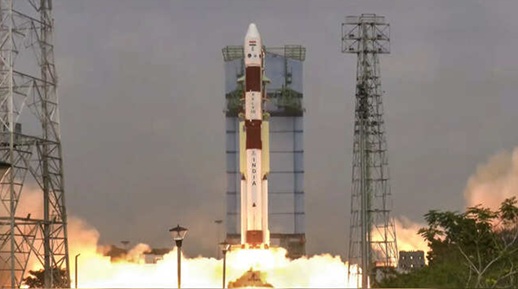
The Indian Space Research Organisation (ISRO) suffered a setback at the start of the year when the PSLV-C62 mission, carrying 16 satellites, failed to achieve its intended orbit. This marks the second consecutive failure of the Polar Satellite Launch Vehicle (PSLV)—ISRO’s most reliable launch vehicle for over three decades—following the PSLV-C61 failure in May 2025.

In both missions, the rocket performed normally during the first two stages but developed problems during the third stage, which is critical for achieving orbital velocity. While the cause of the latest failure is yet to be officially confirmed, it is suspected to involve a drop in combustion chamber pressure, similar to the earlier incident.
Background: PSLV and India’s Space Reliability Record

Since its first successful launch in 1994, the PSLV has been the backbone of India’s space programme, known for:

  • High reliability
  • Cost-effective launches
  • Commercial deployment of foreign satellites

The PSLV has played a key role in:

  • Earth observation missions
  • Navigation satellites
  • Interplanetary missions such as Chandrayaan-1 and Mars Orbiter Mission

Repeated failures involving this trusted platform therefore raise concerns not just about technology, but also about institutional processes and quality control.

What is the Polar Satellite Launch Vehicle (PSLV) ?

The PSLV is a four-stage launch vehicle, with each stage using a different propulsion system to sequentially accelerate the rocket before separating once its role is complete.

Its design balances:

  • High thrust for lift-off
  • Efficient acceleration
  • Precise orbital insertion

This staged architecture allows the vehicle to gradually build speed and altitude while shedding excess mass.

PSLV: How India’s Workhorse Rocket Reaches Orbit

1. First Stage: Lift-off and Atmospheric Ascent

  • Uses solid propellant
  • Handles lift-off and steep vertical climb
  • Reaches about 50–60 km altitude
  • Consumes fuel rapidly in under two minutes before separation

2. Second Stage: Vertical-to-Horizontal Transition

  • Powered by the Vikas liquid engine
  • Builds horizontal velocity while continuing ascent
  • Takes the rocket to 220–250 km altitude
  • Accelerates it to around 14,000 km/h
  • Significantly reduces vehicle mass before separation

3. Third Stage: Rapid Acceleration Phase

  • Uses solid fuel propulsion
  • Rocket travels almost entirely horizontally on a sub-orbital path
  • Accelerates rapidly to 26,000–28,000 km/h
  • This velocity is essential to prevent the vehicle from falling back to Earth

4. Fourth Stage: Precise Orbital Insertion

  • Liquid propulsion stage
  • Fine-tunes velocity and altitude
  • Places satellites into Low Earth Orbit (250–2,000 km)
  • After payload deployment, all stages have completed their role

The Critical Role of PSLV’s Third Stage

The third stage is one of the most technically sensitive phases of a PSLV launch.

  • Solid fuel burns to produce high-pressure gas
  • Gas exits through a nozzle to generate thrust
  • Combustion chamber pressure directly determines acceleration
  • Any pressure drop:
    • Reduces thrust
    • Prevents the rocket from reaching orbital velocity
    • Causes the mission to fail, as gravity pulls the vehicle back

In the PSLV-C61 mission, failure was attributed to a manufacturing defect leading to pressure leakage, though the detailed Failure Analysis Committee (FAC) report was not made public.

Fallout of Repeated PSLV Failures for ISRO

Operational Impact

  • Three failures in the last six missions indicate an unusually high failure rate
  • Raises concerns over quality assurance and manufacturing consistency

Commercial Consequences

  • PSLV is a major revenue generator through:
    • Commercial launches
    • Foreign satellite deployment
  • Reliability concerns could affect:
    • International confidence
    • India’s share in the global launch market

Reputational Risk

  • Back-to-back failures of a “trusted” launcher attract greater scrutiny
  • Comparisons with private global launch providers intensify pressure on ISRO

The Bigger Picture: Transparency and Institutional Trust

Beyond the technical causes, the issue highlights institutional challenges.

  • The PSLV-C61 FAC report was not released publicly
  • Launching PSLV-C62 just eight months later without disclosing corrective measures has:
    • Raised questions on transparency
    • Intensified scrutiny over risk management
    • Sparked debate on return-to-flight protocols

While space agencies worldwide face failures, openness and accountability are critical for sustaining public and international confidence.

Challenges and Way Ahead

Technical Challenges

  • Identifying and rectifying recurring third-stage defects
  • Strengthening quality control in solid motor manufacturing

Institutional Challenges

  • Balancing launch cadence with safety
  • Enhancing transparency in failure analysis

Way Forward

  • Public release of investigation findings
  • Independent audits of manufacturing processes
  • Strengthening redundancy and testing protocols
  • Leveraging ISRO’s strong legacy of learning from failures

FAQs

1. What caused the recent PSLV failures ?

Both failures are suspected to be linked to a drop in combustion chamber pressure during the third stage.

2. Why is the third stage so critical ?

It provides rapid acceleration to orbital velocity; insufficient speed causes the rocket to fall back to Earth.

3. How serious are two consecutive PSLV failures ?

They are significant because PSLV has historically been ISRO’s most reliable launcher.

4. Will this affect ISRO’s commercial launches ?

Yes, repeated failures may impact international confidence and commercial revenue in the short term.

5. Can ISRO recover from this setback ?

ISRO has a strong track record of learning from failures and is expected to restore reliability through corrective measures.

Streamlining Farm Support: The Role of PM-Rashtriya Krishi Vikas Yojana in India’s Agricultural Reforms

Prelims: (Polity & Governance + CA)
Mains: (GS 2 – Governance, Federalism; GS 3 – Agriculture, Farm Reforms)

Why in News ?

The Union Ministry of Agriculture and Farmers Welfare has proposed to merge three ongoing agricultural schemes with its flagship Pradhan Mantri–Rashtriya Krishi Vikas Yojana (PM-RKVY). The move is aimed at simplifying scheme architecture, improving fund utilisation, and linking financial assistance to state-level agricultural reforms, reflecting the Centre’s push for outcome-oriented and decentralised agricultural development.

Background: Need for Rationalising Agricultural Schemes

India’s agricultural sector is supported by a large number of central and centrally sponsored schemes, often leading to:

  • Overlapping objectives
  • Fragmented funding
  • Administrative inefficiencies

At the same time, agriculture faces multiple challenges such as:

  • Stagnant productivity
  • Rising climate risks
  • Regional disparities
  • Post-harvest losses

The proposed consolidation under PM-RKVY seeks to provide a flexible, state-driven umbrella framework to address these issues more effectively.

What is Pradhan Mantri–Rashtriya Krishi Vikas Yojana ?

Pradhan Mantri–Rashtriya Krishi Vikas Yojana (PM-RKVY) is a Centrally Sponsored Scheme (CSS) implemented by the Ministry of Agriculture and Farmers Welfare to accelerate agricultural growth and enhance farmers’ income. The scheme emphasises state-led planning, allowing states to design and implement agriculture and allied sector projects based on local priorities and agro-climatic conditions.

Objectives of PM-Rashtriya Krishi Vikas Yojana

  • Encourage states to increase public investment in agriculture and allied sectors
  • Enhance agricultural productivity and overall farm-sector growth
  • Strengthen agricultural and post-harvest infrastructure to reduce losses
  • Promote diversification into high-value crops, horticulture, livestock, and fisheries
  • Encourage adoption of modern, innovative, and climate-resilient farming practices
  • Reduce regional disparities in agricultural development

Key Features of PM-Rashtriya Krishi Vikas Yojana

1. State-Led and Decentralised Approach

  • States have flexibility to:
    • Identify priorities
    • Design projects
    • Implement interventions suited to local needs
  • Enhances cooperative federalism in agriculture

2. Growth-Oriented Framework

  • Targets a sustained annual agricultural growth rate of around 4%
  • Focus on both productivity and income enhancement

3. Wide Sectoral Coverage

Supports a broad range of activities, including:

  • Crop production
  • Horticulture
  • Livestock and fisheries
  • Organic and natural farming
  • Agricultural research and innovation
  • Marketing and post-harvest infrastructure

4. Incentive-Based Funding Mechanism

  • Financial assistance linked to:
    • States’ commitment to increasing public investment
    • Adoption of reforms and outcome-based planning
  • Encourages accountability and performance

Funding Pattern under PM-RKVY

  • General States:
    • 60% Centre
    • 40% State
  • North-Eastern and Hilly States:
    • 90% Centre
    • 10% State
  • Union Territories:
    • 100% Central funding

This differentiated pattern ensures equity while recognising fiscal capacities of states.

Significance of Merging Schemes under PM-RKVY

  • Reduces duplication and administrative overhead
  • Enhances flexibility in fund utilisation
  • Strengthens outcome-based monitoring
  • Empowers states to adopt region-specific solutions
  • Aligns agricultural spending with reform-oriented incentives

Challenges and Way Ahead

Implementation Challenges

  • Ensuring effective monitoring of decentralised projects
  • Capacity constraints at the state and district levels

Federal Concerns

  • Balancing state autonomy with national priorities
  • Avoiding excessive conditionalities linked to funding

Way Forward

  • Strengthening data-driven evaluation
  • Capacity building of state agricultural institutions
  • Transparent outcome-based fund release mechanisms
  • Aligning PM-RKVY with climate-resilient and sustainable agriculture goals

FAQs

1. What is PM-Rashtriya Krishi Vikas Yojana ?

It is a centrally sponsored scheme aimed at accelerating agricultural growth and improving farmers’ income through state-led planning.

2. Why is the government merging schemes with PM-RKVY ?

To simplify scheme architecture, reduce overlaps, and link funding to reforms and outcomes.

3. Which ministry implements PM-RKVY ?

The Ministry of Agriculture and Farmers Welfare.

4. What is the funding pattern under PM-RKVY ?

60:40 for general states, 90:10 for North-Eastern and hilly states, and 100% central funding for Union Territories.

5. Why is PM-RKVY important for Indian agriculture ?

It promotes decentralised, flexible, and growth-oriented agricultural development while strengthening cooperative federalism.

Celebrating Wetland Biodiversity: Nelapattu Bird Sanctuary and Its Ecological Significance

Prelims: (Environment & Ecology + Current Affairs)
Mains: (GS 3 – Environment, Biodiversity, Conservation)

Why in News ?

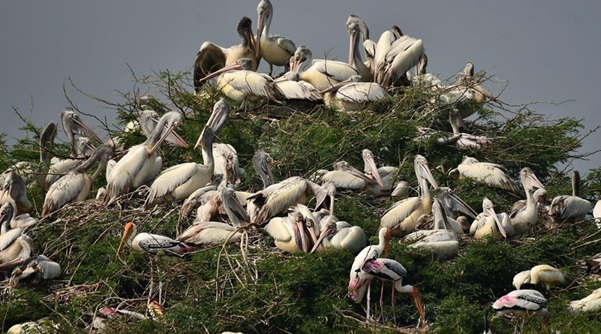
The Flamingo Festival recently drew large numbers of families and nature enthusiasts to the Nelapattu Bird Sanctuary near Sullurpeta in Andhra Pradesh, highlighting growing public interest in wetland conservation and avian biodiversity. The event has also brought attention to the sanctuary’s role as a critical breeding ground for several waterbird species, particularly the spot-billed pelican.

Background: Wetlands and Bird Conservation in India

Wetlands play a crucial role in:

  • Supporting migratory and resident bird species
  • Maintaining ecological balance
  • Regulating hydrological cycles

India is home to several bird sanctuaries located near lakes, lagoons, and coastal wetlands. Nelapattu Bird Sanctuary, located close to the ecologically significant Pulicat Lake, is one such protected area that contributes to regional biodiversity conservation and eco-tourism.

What is Nelapattu Bird Sanctuary ?

Nelapattu Bird Sanctuary is a protected avian habitat located in Andhra Pradesh, known primarily as one of the most important breeding sites for the spot-billed pelican in southern India. Its proximity to Pulicat Lake, the second-largest saltwater lake in India, enhances its ecological importance by providing abundant feeding and nesting opportunities for waterbirds.

Location and Ecological Setting

  • State: Andhra Pradesh
  • Nearby Landmark: Pulicat Lake
  • Physiographic Setting: Coastal wetland ecosystem influenced by brackish water and seasonal hydrology

The sanctuary benefits from the rich nutrient flow and aquatic biodiversity associated with Pulicat Lake.

Flora and Vegetation Types

1. Vegetation Profile

The sanctuary supports distinctive plant communities, including:

  • Barringtonia swamp forests
  • Southern dry evergreen scrub

These vegetation types provide suitable nesting and roosting habitats for large colonial waterbirds.

2. Important Flora Species

Notable plant species found in the sanctuary include:

  • Buchnania angustifolia
  • Barringtonia acutangula
  • Acacia arabica
  • Albizzia amara
  • Borassus flabellifer
  • Euphorbia antiquorum

Faunal Diversity and Avian Significance

Key Bird Species

  • Spot-billed pelican (flagship species)
  • Black-headed ibis
  • Asian openbill
  • Black-crowned night heron
  • Little cormorant

The sanctuary serves as a breeding and nesting ground, especially during favourable seasonal conditions.

Ecological and Socio-Economic Significance

  • Supports breeding colonies of threatened waterbirds
  • Contributes to wetland biodiversity conservation
  • Enhances eco-tourism and environmental awareness
  • Provides livelihood opportunities for local communities through tourism-related activities

Challenges and Way Ahead

Conservation Challenges

  • Disturbance from human activity
  • Wetland degradation and pollution
  • Changes in water availability

Way Forward

  • Strengthening habitat protection and monitoring
  • Regulated eco-tourism to minimise disturbance
  • Community participation in conservation
  • Integration with broader Pulicat Lake conservation initiatives

FAQs

1. Where is Nelapattu Bird Sanctuary located ?

It is located in Andhra Pradesh near Sullurpeta, close to Pulicat Lake.

2. Why is Nelapattu Bird Sanctuary important ?

It is a major breeding site for the spot-billed pelican and several other waterbird species.

3. Which vegetation types are found in the sanctuary ?

Barringtonia swamp forests and southern dry evergreen scrub dominate the vegetation.

4. What are the major bird species found here ?

Spot-billed pelican, black-headed ibis, Asian openbill, black-crowned night heron, and little cormorant.

5. Why was Nelapattu Bird Sanctuary recently in the news ?

Due to the Flamingo Festival, which attracted families and highlighted wetland biodiversity and conservation.

« »
  • SUN
  • MON
  • TUE
  • WED
  • THU
  • FRI
  • SAT
Have any Query?

Our support team will be happy to assist you!

OR