Context
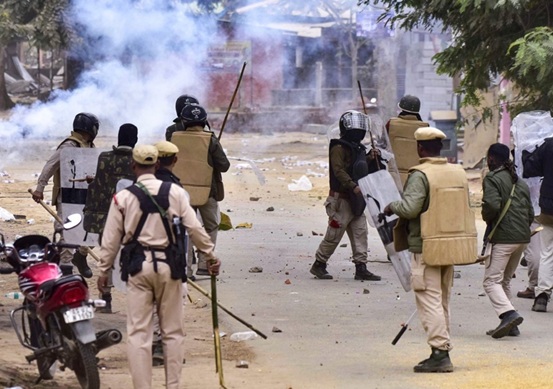
- The recent violence in Assam's West Karbi Anglong district has once again brought to the forefront the complex issues of land rights and self-governance in Northeast India. The violence has resulted in deaths and injuries, arson of shops and markets, suspension of mobile internet services, and the imposition of curfews.
- This unrest is not accidental, but the result of long-standing land disputes, particularly those related to grazing reserve lands under the jurisdiction of the Karbi Anglong Autonomous Council (KAAC).
Immediate Cause of Violence
- The main demand of the protesters, who are on a hunger strike over grazing land, is the removal of alleged encroachers from PGR (Professional Grazing Reserve) and VGR (Village Grazing Reserve) lands.
- These grazing lands are a legacy of British colonial-era land settlements and have traditionally been the basis of the tribal communities' animal husbandry-based livelihoods.
- The transfer of fasting protesters to Guwahati for health reasons led locals to believe they were under arrest. This led to stone-pelting, arson, and widespread violence.
Background of the Karbi Anglong Dispute
- The Sixth Schedule and Autonomous Governance: The Karbi Anglong and West Karbi Anglong districts fall under the Sixth Schedule of the Constitution. Under this, the Karbi Anglong Autonomous Council (KAAC) is granted special powers related to land management, forest resources, and local administration. These provisions aim to protect tribal identity, culture, and resources.
- Insurgency and Identity Politics: Karbi militant groups have been active in the region since the late 1980s. Initially, their demand was for a separate Karbi state, but later evolved into a demand for greater autonomy. The legacy of this conflict has deepened a sense of distrust and hostility toward "outsiders."
Land Disputes: PGR (Professional Grazing Reserve) and VGR (Village Grazing Reserve)
- Encroachment vs. Legal Residence: Karbi tribal organizations allege that large-scale illegal settlements have been established on grazing lands. On the other hand, non-tribal communities living here, such as Biharis, Bengalis, and Nepalis, claim decades of residence and demand regularization of their settlements.
- Political Sensitivities: Tensions escalated significantly when an organization of the Bihari Noniya community submitted a memorandum to the President demanding legal status for the migrants. Karbi organizations viewed this as a direct challenge to the constitutional protections granted under the Sixth Schedule.
- Legal Obstacles and Administrative Limitations: K.A.A.C. A 15-day eviction notice was issued by the government, but the eviction process was put on hold due to a public interest litigation pending in the Guwahati High Court. The administration stated that proceeding with the eviction while the judicial proceedings were ongoing risked contempt of court.
Key Challenges and Possible Solutions
- Traditional Rights vs. Settlers' Claims: A clear and humane rehabilitation policy is needed for long-settled non-tribal communities.
- Weak Implementation of the Sixth Schedule: The PGR and VGR Clarity on the legal status of land and a strong institutional framework for its protection
- Judicial Delays: Timely judicial resolution of land dispute cases
- Lack of Trust: Promote a Dialogue-Based Approach between the KAAC, State Administration, Adivasi Organizations, and Settlers
- Threat of Ethnic Polarization: Strengthen Early Warning Systems, Community Policing, and Local Peace Mechanisms
Conclusion
The violence in Karbi Anglong highlights the delicate balance between Adivasi autonomy, land rights, and demographic pressures in Sixth Schedule areas. If institutional clarity, sensitive governance, and inclusive conflict resolution are not prioritized, such conflicts may recur in the future. Lasting peace requires that land-related issues be resolved through the rule of law, constitutional values, and participatory governance, strengthening social cohesion and internal security in Northeast India.






 Contact Us
  New Batch : 9555124124/ 7428085757
  Tech Support : 9555124124/ 7428085757