Current Affairs for 22 October 2026

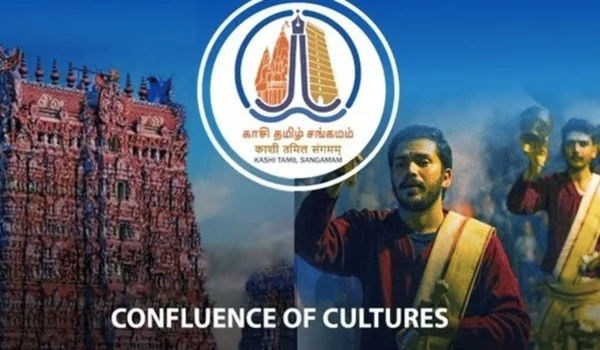
Kashi Tamil Sangamam 5.0: Dates, Theme, Registration and Key Initiatives

Prelims: Kashi Tamil Sangamam, Thirukkural, Ek Bharat Shreshtha Bharat, Central Institute of Classical Tamil, Banaras Hindu University, IIT Madras
Mains: GS Paper I Indian Culture and Heritage; GS Paper II Education, Cultural Diplomacy and National Integration
Keywords: Kashi Tamil Sangamam 5.0, Thirukkural Payilvom, Tamil Nadu–Kashi cultural ties, Ek Bharat Shreshtha Bharat, multilingual education, Thirukkural

Why in News?

  • The registration portal for the fifth edition of Kashi Tamil Sangamam (KTS 5.0) was launched on 22 October 2026.
  • The event will be held from 28 November to 12 December 2026 on the theme “Thirukkural Payilvom – Thirukkural Abhyas Karen”.
  • The theme places the classical Tamil text Thirukkural at the centre of this year’s educational and cultural programme. The Ministry of Education’s announcement is listed by the Press Information Bureau. 

Background and Context

  • Kashi Tamil Sangamam is a programme to celebrate and strengthen the historical, cultural and knowledge links between Tamil Nadu and Kashi (Varanasi). The first edition was held in 2022. Across its first four editions, the programme enabled exchanges involving language, traditions, learning and lived experiences.
  • KTS 5.0 will focus on the Thirukkural, a classical Tamil work comprising 1,330 couplets across 133 chapters. Its teachings will be introduced through educational activities, multilingual resources and public outreach.

Key Points of KTS 5.0

  • Dates: 28 November–12 December 2026
  • Theme: “Thirukkural Payilvom – Thirukkural Abhyas Karen” (“Let us learn the Thirukkural”)
  • Participants: Around 1,400 people from Tamil Nadu, arranged in seven groups of approximately 200
  • Journey: Each group will undertake an eight-day programme, with four days of travel and four days of visits and structured activities
  • Places to be visited: Varanasi, Prayagraj and Ayodhya
  • Participant categories: Students; teachers; writers and media professionals; people from agriculture and allied sectors; professionals and artisans; women; and spiritual leaders
  • Organisers: The Department of Higher Education, Ministry of Education, in collaboration with IIT Madras, Banaras Hindu University (BHU), the Central Institute of Classical Tamil (CICT), the Government of Uttar Pradesh and other central ministries and departments

Major Initiatives

1. Student engagement across higher education institutions

A nationwide programme will involve 1,000 higher education institutions (HEIs). It will include structured study, research and campus activities to introduce students from different disciplines and language backgrounds to the Thirukkural.

CICT’s digital resources provide the text in languages listed in the Eighth Schedule, supporting wider access to the work. 

2. Outreach in Varanasi schools and colleges

Experts from Tamil Nadu will visit schools and colleges in Varanasi to introduce students to the text’s core values through orientation modules, interactive sessions and quizzes.

The National Book Trust, in association with the Rashtriya e-Pustakalaya, will also hold school sessions on reading, storytelling and creative activities.

3. Technology-enabled access

KTS 5.0 will use technology and multilingual resources to make the Thirukkural accessible to learners and readers across India.

Significance

  • Strengthens national integration: The programme creates opportunities for people from different regions to learn about one another’s languages, histories and traditions.
  • Connects classical knowledge with young people: Student activities and school outreach can bring the text into contemporary educational settings.
  • Promotes multilingual learning: Resources in multiple Indian languages can help readers engage with Tamil literature without relying solely on translation into English.
  • Encourages cultural exchange: Visits and structured programmes in Varanasi, Prayagraj and Ayodhya provide space for academic, cultural, spiritual and professional interaction.
  • Supports Ek Bharat Shreshtha Bharat: KTS 5.0 uses regional exchange to deepen awareness of India’s shared cultural heritage.

Challenges

  • Sustained engagement: Short-term events and visits may not be enough to create lasting interest in the text.
  • Translation and interpretation: Translations should preserve the meaning and context of the original couplets while remaining accessible to new readers.
  • Institutional participation: The reach of the initiative will depend on active involvement by HEIs, schools and local educators.
  • Measuring outcomes: The programme will need ways to assess participation, learning and continued use of its resources.

Way Forward

  • Develop follow-up reading and discussion activities through participating institutions.
  • Support teachers with accessible, accurate and contextualised learning materials.
  • Make multilingual resources easy to find and use on digital platforms.
  • Track participation and learning outcomes to guide future editions.
  • Encourage cultural exchange as an ongoing educational process, not just an event-period activity.

Conclusion

Kashi Tamil Sangamam 5.0 will bring the cultural ties between Tamil Nadu and Kashi together with a nationwide focus on the Thirukkural. By combining student engagement, multilingual access and in-person exchange, the programme aims to carry classical knowledge into contemporary learning and public life.

Prelims MCQ

Q.1. Kashi Tamil Sangamam 5.0 is based on which theme?

A. Learn Tamil – Tamil Karkalam

B. Thirukkural Payilvom – Thirukkural Abhyas Karen

C. Maharishi Agasthyar

D. Tamil Heritage and Modern India 

Mains Question

Discuss how cultural exchange programmes such as Kashi Tamil Sangamam can strengthen national integration and promote India’s classical knowledge traditions.

FAQs

1. When will Kashi Tamil Sangamam 5.0 be held?

It is scheduled for 28 November to 12 December 2026.

2. What is the theme of KTS 5.0?

Its theme is “Thirukkural Payilvom – Thirukkural Abhyas Karen”, meaning “Let us learn the Thirukkural”.

3. Which places are included in the programme itinerary?

The itinerary includes Varanasi, Prayagraj and Ayodhya.

4. How many participants are expected from Tamil Nadu?

Around 1,400 participants, divided into seven groups of approximately 200, are expected to take part.

33rd India-Singapore Maritime Exercise SIMBEX-2026 Begins in Visakhapatnam

Prelims: SIMBEX, India-Singapore relations, Indian Navy, Republic of Singapore Navy, Visakhapatnam and the Bay of Bengal.
Mains: GS Paper II – Bilateral relations and international partnerships; GS Paper III – Security challenges and maritime security.
Keywords: SIMBEX-2026, India-Singapore naval exercise, maritime cooperation, naval interoperability, Indo-Pacific, Bay of Bengal.

Why in News?

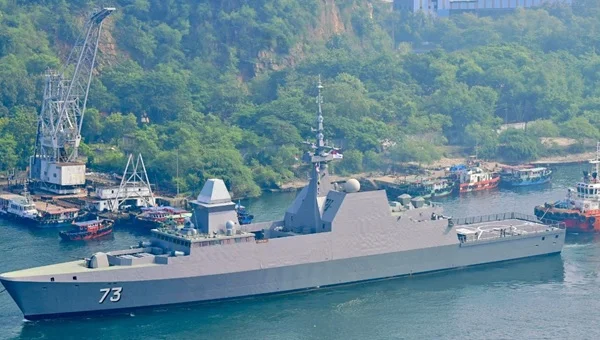
  • The 33rd edition of the Singapore-India Maritime Bilateral Exercise (SIMBEX-2026) began in Visakhapatnam, Andhra Pradesh, on 21 October 2026. 
  • The exercise aims to strengthen maritime cooperation, improve operational coordination and enhance interoperability between the Indian Navy and the Republic of Singapore Navy (RSN).

Important Points 

  • Venue: Visakhapatnam, Andhra Pradesh, and the Bay of Bengal.
  • Participating countries: India and Singapore.
  • Dates: 21–26 October 2026.
  • Singaporean naval ship: RSS Supreme.
  • Participating Indian naval ships: INS Nilgiri and INS Kamorta hosted the opening ceremony.

Phases of SIMBEX-2026

1. Harbour Phase (21–23 October)

The Harbour Phase focuses on professional interactions and joint planning between the two navies. Key activities include:

  • Professional discussions and expert exchanges.
  • Cross-deck visits between naval ships.
  • Joint planning conferences.
  • Sports and other professional engagements.

2. Sea Phase (24–26 October)

The Sea Phase will take place in the Bay of Bengal and focus on maritime operations and tactical exercises. It will include:

  • Anti-Submarine Warfare (ASW) drills.
  • Anti-surface warfare exercises.
  • Anti-air warfare drills.
  • Seamanship activities and tactical manoeuvres.

These activities will help both navies improve coordination and their ability to operate together during maritime operations.

History of SIMBEX

  • SIMBEX was established in 1994 as Exercise Lion King. Over the years, it has developed into an important component of maritime cooperation between India and Singapore. 
  • The exercise has expanded in scope and complexity, strengthening professional ties, mutual understanding and operational interoperability between the two navies.

Significance of SIMBEX-2026

  • Strengthening maritime cooperation: The exercise deepens defence and maritime ties between India and Singapore.
  • Improving operational interoperability: Joint drills help both navies coordinate their operations and understand each other's procedures.
  • Enhancing maritime security: The exercise improves preparedness to address common maritime security challenges.
  • Promoting Indo-Pacific stability: Cooperation between the two navies supports peace, stability and a rules-based maritime order in the Indo-Pacific region.

Conclusion

SIMBEX-2026 reflects the growing maritime partnership between India and Singapore. Through joint planning, professional exchanges and sea-based drills, the exercise aims to strengthen naval capabilities, improve interoperability and contribute to peace and stability in the Indo-Pacific.

Prelims Practice Question

Q. With reference to the Singapore-India Maritime Bilateral Exercise (SIMBEX), consider the following statements:

  1. SIMBEX was established in 1994 as Exercise Lion King.
  2. It is a bilateral maritime exercise between India and Singapore.
  3. The sea phase of SIMBEX-2026 is scheduled to take place in the Arabian Sea.

Which of the statements given above is/are correct?

(a) 1 and 2 only
(b) 2 and 3 only
(c) 1 and 3 only
(d) 1, 2 and 3

Mains Practice Question

“Discuss the significance of India-Singapore maritime cooperation in strengthening maritime security and promoting peace and stability in the Indo-Pacific region.”

Ladakh Panchayat Elections 2026: Kargil Hill Council Dissolved, 100 Seats Notified Across Eight Districts

Prelims: Ladakh Autonomous Hill Development Council (LAHDC), Panchayati Raj, State Election Commission, Sixth Schedule, Article 244(2), Union Territories.
Mains: GS Paper II Local Self-Government, Democratic Decentralisation, Federalism and Governance; GS Paper III Development and Security in Border Areas.
Keywords: Ladakh Panchayat Elections 2026, Kargil Hill Council Dissolution, LAHDC History, Ladakh Eight Districts, Sixth Schedule, Grassroots Democracy.

Why in News?

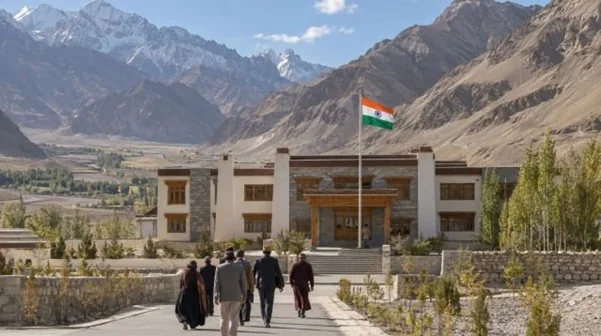
  • On 21 October 2026, the Ladakh administration dissolved the Ladakh Autonomous Hill Development Council–Kargil, following district reorganisation.
  • The Model Code of Conduct (MCC) came into force immediately.
  • Separately, the administration notified 100 elected constituencies for eight hill councils, expanding the region’s framework of local representation. 

What Are Ladakh Autonomous Hill Development Councils?

  • Ladakh Autonomous Hill Development Councils are statutory institutions for decentralised development and local governance. They were established to give local representatives a greater role in planning and addressing the region’s distinct developmental needs.
  • Historically, Ladakh had two councils LAHDC-Leh and LAHDC-Kargil. Each had 26 elected and four nominated members, making 30 members per council. Their legal framework developed through the original 1995 arrangement and the LAHDC Act, 1997, with subsequent amendments.

Short History of Ladakh’s Hill Councils

Year

Major development

1995

LAHDC-Leh was established. Its first elections were held on 28 August, followed by its inaugural meeting on 3 September.

1997

The LAHDC Act, 1997 became the principal statutory framework subsequently amended to strengthen and reorganise the councils.

2003

LAHDC-Kargil came into existence in July, extending the hill council arrangement to Kargil.

2018

Amendments to the 1997 Act further empowered the councils.

2023

Elections were held for the fifth LAHDC-Kargil.

2026

The administration notified 100 elected constituencies across eight councils and dissolved the existing Kargil council following district reorganisation.

The councils emerged as institutions for participatory planning and decentralised development, allowing locally elected representatives to influence decisions affecting Ladakh’s communities. 

How Have the 100 Hill Council Seats Been Distributed?

The revised allocation covers the following eight districts:

District

Elected constituencies

Leh

22

Kargil

21

Sankoo

13

Changthang

10

Nubra

9

Sham

9

Zanskar

9

Drass

7

Total

100

The allocation uses panchayat halqas and municipal wards as foundational units, while considering population and geographical area. The expansion is from 52 elected seats in the earlier two-council arrangement to 100 elected seats across eight councils. The earlier figure of 52 excludes nominated members. 

Why Is the Dissolution of LAHDC-Kargil Significant?

  • Premature end to the elected council: The council was elected in 2023, and its ordinary five-year term would have continued until 2028.
  • Administrative restructuring: The dissolution accompanies the reorganisation of districts and the expansion of hill councils.
  • Political sensitivity: It comes amid disagreements over the extent of democratic representation and autonomy in Ladakh.
  • Continuity of governance: The transition raises questions about how ongoing development programmes and public accountability will be maintained. 

How Are Hill Councils Different from Sixth Schedule Councils?

Basis

Ladakh Hill Councils

Sixth Schedule Councils

Legal foundation

Created under legislation governing LAHDCs

Provided for under the Constitution’s Sixth Schedule

Geographical coverage

Ladakh

Specified tribal areas in Assam, Meghalaya, Tripura and Mizoram

Nature of authority

Powers determined by the governing law and amendments

Constitutionally provided powers over specified legislative, administrative and judicial matters

Constitutional status

Their existence does not itself confer Sixth Schedule status

Form part of the Sixth Schedule framework

What Is the Wider Political Background?

  • The developments coincide with discussions between the Union government and Ladakh’s representatives over statehood, constitutional safeguards and greater democratic participation.
  • The Leh Apex Body (LAB) and Kargil Democratic Alliance (KDA) have been central to these demands. Their concerns include the powers of elected institutions and protections for local communities. A further round of talks was scheduled for 22 October 2026 in New Delhi.
  • The central governance question is whether the revised arrangements will give elected representatives sufficient authority over decisions affecting the region.

What Is the Significance of These Changes?

  • Wider representation: More elected constituencies can improve access to representatives across remote settlements.
  • Locally informed planning: Separate councils can focus on district-specific requirements, including roads, water, education and healthcare.
  • Grassroots participation: Panchayat elections can strengthen village-level involvement in development decisions.
  • Administrative accessibility: Smaller territorial jurisdictions may help representatives respond more closely to local needs.

What Are the Key Challenges?

  1. Clarity of responsibilities: Hill councils, panchayats and the UT administration need clearly defined functions to prevent overlapping authority.
  2. Meaningful devolution: Additional seats must be accompanied by adequate functions, funds and functionaries.
  3. Public confidence: Administrative restructuring requires consultation and transparent explanations, particularly when an elected council is dissolved before completing its term.
  4. Election logistics: Remote settlements, difficult terrain and winter conditions can complicate polling arrangements.
  5. Institutional continuity: Reorganisation must preserve public services, development projects and accountability.

What Should Be the Way Forward?

  • Clarify institutional powers: Clearly explain the relationship between hill councils, panchayats and the UT administration.
  • Ensure adequate resources: Provide elected bodies with predictable funding and sufficient administrative capacity.
  • Maintain consultation: Engage local representatives and community organisations throughout the transition.
  • Protect service delivery: Establish transparent arrangements for transferring responsibilities, assets and ongoing projects.
  • Support accessible elections: Prepare transport, staffing and contingency arrangements for remote and weather-sensitive areas.
  • Continue dialogue: Address demands for representation and safeguards through sustained constitutional and political engagement.

Conclusion

Ladakh’s panchayat election announcement and expansion of hill councils mark an important change in local governance. Their success will depend on whether wider representation translates into effective decision-making, accountable administration and meaningful public participation.

Prelims MCQ

Ladakh Autonomous Hill Development Councils are:

(a) Bodies established under the Sixth Schedule
(b) Statutory bodies established under legislation
(c) Committees constituted by the Election Commission of India
(d) Constitutional bodies under the Fifth Schedule 

Mains Question

“Expanding local representation must be accompanied by meaningful devolution of powers.” Discuss in the context of the reorganisation of Ladakh’s Autonomous Hill Development Councils.

FAQs

1. When are Ladakh’s panchayat elections scheduled?

They are scheduled for 21 November 2026, with nominations closing on 2 November.

2. Why was LAHDC-Kargil dissolved?

The administration dissolved the council on 21 October 2026, citing district reorganisation.

3. When were Ladakh’s first two hill councils established?

The Leh council was established in 1995, while the Kargil council came into existence in July 2003.

4. What do the 100 notified constituencies represent?

They represent elected hill council constituencies across eight districts, not the total number of village panchayat seats.

5. Are Ladakh’s hill councils Sixth Schedule bodies?

No. They are statutory councils. Their establishment or expansion does not automatically grant Sixth Schedule status.

upsc english
« »
  • SUN
  • MON
  • TUE
  • WED
  • THU
  • FRI
  • SAT