New
GS Foundation (P+M) - Delhi : 19th Jan. 2026, 11:30 AM New Year offer UPTO 75% + 10% Off | Valid till 03 Jan 26 GS Foundation (P+M) - Prayagraj : 09th Jan. 2026, 11:00 AM New Year offer UPTO 75% + 10% Off | Valid till 03 Jan 26 GS Foundation (P+M) - Delhi : 19th Jan. 2026, 11:30 AM GS Foundation (P+M) - Prayagraj : 09th Jan. 2026, 11:00 AM

Current Affairs for 27 December 2025

Bureau of Port Security (BoPS): Strengthening India's Maritime Security

(Prelims: Current Events of National Importance, Economic Development)
(Mains, General Studies Papers 2 and 3: Issues arising from government policies and interventions for development in various sectors, including their design and implementation; infrastructure: energy, ports, roads, airports, railways, etc.)

Context

  • The Central Government has constituted the Bureau of Port Security (BoPS) as a statutory body under Section 13 of the Merchant Shipping Act, 2025. It is modeled after the Bureau of Civil Aviation Security (BCAS) and will function under the Ministry of Ports, Shipping, and Waterways.
  • The primary objective of BoPS is to ensure regulatory oversight and coordination of security related to ships and port facilities. This initiative has been taken keeping in mind India's growing maritime economy and security challenges, which aligns with the vision of 'Developed India 2047'.

Reasons for Establishing BoPS

  • Currently, coastal security responsibilities are fragmented among multiple agencies, including the Indian Coast Guard, Central Industrial Security Force (CISF), State Marine Police, and the Navy.
  • This creates barriers to coordination and communication, leading to security lapses. BoPS will address these challenges and function as a single statutory body.
  • It will focus on issues such as maritime terrorism, arms smuggling, drug trafficking, human trafficking, illegal fishing, illegal migration, piracy, and cybersecurity threats.
  • BoPS will also have a dedicated division focused on cybersecurity of port IT infrastructure. It will coordinate with national cybersecurity agencies. Being statutory under the Merchant Shipping Act will give BoPS the legal power to enforce global standards such as the International Ship and Port Facility Security Code (ISPS Code).
    • The ISPS Code (International Ship and Port Facility Security Code) is part of the International Maritime Organization's (IMO) Safety of Life at Sea (SOLAS) Convention, which was enacted in 2004 to strengthen maritime security.
  • Under the ISPS, the Central Industrial Security Force (CISF) has been designated as the accredited security organization to ensure standardized security plans, assessments, and training at all major and non-major ports. Security measures will be implemented in a graded manner, adopting a risk-based approach.

India's Maritime Development Journey

  • India's maritime sector has made significant progress over the last decade. According to the Ministry of Ports, Shipping and Waterways, cargo growth is projected to increase from 974 million tonnes (MMT) in 2014 to 1,594 MMT in 2025.
  • Port capacity has increased by 57%, while ship turnaround time has halved to 48 hours, which is in line with global standards. Coastal shipping has grown by 118%, while cargo traffic through inland waterways is projected to increase from 18.1 MMT in 2014 to 145.5 MMT in 2025. Nine Indian ports are included in the World Bank's Container Port Performance Index.
  • By 2025, India will have 12 Major Ports and 217 Minor Ports, of which 66 are cargo ports. Major Ports fall under the Union List and are administered by the Central Government. They are spread across nine states and three Union Territories.

Also Know This!

The country has 14 major ports, of which 12 are operational and 200 are non-major ports (minor ports).

  • Major ports handle 53% of total maritime cargo traffic, while private and minor ports like Mundra and Sikka handle 19%. The Maritime India Vision 2030, launched in 2021, sets goals for port modernization, shipping promotion, inland waterways development, green shipping, and global leadership. The BoPS is aligned with this vision, particularly its goal of achieving best-in-class port infrastructure.
  • Additionally, the Sagarmala Project, launched in 2015, has promoted port-led development, with investments of ₹5.5 lakh crore across 802 projects. This has led to increased employment generation and logistics efficiency.

Modernization of Port Laws

  • These developments have led to the need for improved port safety, environmental protection, and ease of doing business. Therefore, the old Indian Ports Act, 1908, was replaced by the Indian Ports Act, 2025.
  • Other laws include the Coastal Shipping Act, 2025; the Modernized Merchant Shipping Legislation, 2025; and the Bureau of Port Security, 2025. These laws encourage coastal trade, promote ownership of Indian vessels, simplify licensing, and implement environmentally friendly maritime transport through a risk-based approach.

Criticisms and Challenges

  • The new laws give the central government greater authority over minor or non-major (state-owned) ports, which some coastal states have termed the "silent cost of maritime federalism."
  • The Indian Ports Act grants broad powers of entry and inspection to port officials, conservators, and health officials, but does not explicitly specify judicial and procedural safeguards. These criticisms are primarily directed at the Bills, not the BoPS.
  • Furthermore, increasing cyber threats pose a challenge to the security of digital infrastructure.

Conclusion

The establishment of the BoPS is an important step towards strengthening India's maritime security, ensuring coordination, efficiency, and global standards. It will help achieve the goals of the Maritime India Vision 2030 and Developed India 2047. However, federal balance, judicial security, and cyber resilience need to be strengthened.

Nanobots

Dr. Ambareesh Ghosh of the Indian Institute of Science (IISc), Bengaluru, has been awarded the prestigious New York Academy of Sciences-Tata Sons Transformation Prize for the year 2025. He received this honor for developing magnetic nanobots for targeted cancer therapy, signaling the beginning of a new era in medicine.
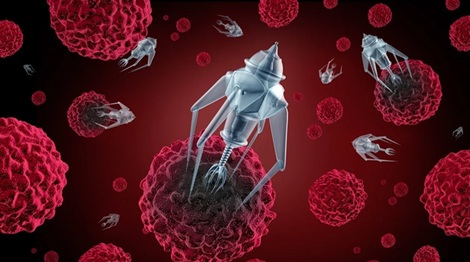
What are nanobots ?

  • Nanobots are microscopic machines built on the nanometer scale, designed to reach areas within the human body that conventional drugs or surgical instruments cannot reach.
  • They are particularly effective in diagnosing and treating internal tumors and hard-to-reach tissues.

Working Methods

  • These nanobots are "nanoswimmers" with a bacterial-inspired helical structure that moves like a propeller or corkscrew.
  • Their iron component allows them to be precisely guided through blood flow and dense tissues with the help of an external magnetic field.
  • These nanobots are coated with drugs so they reach cancer cells directly without affecting healthy cells.
  • These nanobots can generate localized heat of over 42°C under the influence of the magnetic field, killing cancer cells.

Key Features and Benefits

  • This technology preferentially targets cancer cells, reducing the side effects of treatments like chemotherapy.
  • These nanobots are able to reach dense tumors where blood vessels are scarce and are not visible in normal scans.
  • They simultaneously function as drug carriers, treatment agents, and imaging beacons (for MRI).
  • They are made of biocompatible materials such as silica and iron, which are considered safe for medical use.
  • They have been successfully tested in the treatment of breast and ovarian cancer, as well as dental infections.

Challenges

  • Currently, this technology has been successful primarily in lab (cell culture) and animal models; human clinical trials are awaited.
  • Extensive validation and regulatory approval are needed to ensure complete safety for the human body.
  • Its future success will depend on large-scale production costs, affordability, and acceptance by doctors.

Tax Revenue ,Cess and Surcharge

Tax Revenue refers to the income collected by the government through various taxes. It constitutes the major portion of the government’s total revenue receipts and is used to run the economy, fund development projects, implement welfare schemes, and build infrastructure. In simple terms, it is the money that the government collects from citizens, companies, and institutions in the form of taxes.

Tax revenue is a part of revenue receipts, which also include non-tax revenue (such as interest, dividends, fees, fines, etc.). However, tax revenue specifically refers only to income generated from taxes.
Main Types of Tax Revenue

Taxes are broadly classified into two categories:

1. Direct Taxes

These taxes are imposed directly on the income or wealth of individuals or institutions.
The tax burden falls on the same person or entity that pays the tax and cannot be shifted to others.

Examples:

  • Income Tax – levied on individual income
  • Corporate Tax levied on company profits
  • Securities Transaction Tax (STT)

2. Indirect Taxes

These taxes are imposed on the production, sale, or consumption of goods and services.
Although they are paid by producers or sellers, the tax burden is ultimately passed on to consumers.

Examples:

  • Goods and Services Tax (GST)
  • Customs Duty – imposed on imports
  • Excise Duty

Other Classifications of Taxes

  • Progressive Tax: The tax rate increases as income increases (e.g., Income Tax).
  • Regressive Tax: The tax burden is relatively higher on lower-income groups, as the rate does not increase with income (many indirect taxes).

What are Cess and Surcharge ?

In India’s tax system, Cess and Surcharge are additional levies imposed on top of major taxes such as Income Tax and GST. They function like a “tax on tax”, but differ in purpose, usage, and applicability. Both are levied by the Central Government, and their proceeds are not shared with States (they lie outside the divisible pool under the Finance Commission).

Cess Meaning

A Cess is a tax levied for a specific purpose, and the revenue collected must be used only for that purpose.

Key Features

  • Objective-specific
  • Can be imposed on all taxpayers
  • Generally temporary in nature
  • Levied after tax and surcharge (if applicable)

Major Examples (Active till 2025)

  • Health and Education Cess: 4% on income tax
    • Used for education and healthcare schemes
  • Road and Infrastructure Cess (on petroleum products)
  • Agriculture Infrastructure Cess
  • Swachh Bharat Cess (now subsumed under GST)

Note: Many earlier cesses were merged into GST, but some sector-specific cesses continue.

Surcharge Meaning

A Surcharge is an additional charge on the basic tax, primarily imposed on high-income individuals and companies to ensure progressive taxation.

Key Features

  • No specific earmarked purpose
  • Used as general revenue
  • Applied only when income exceeds specified thresholds
  • Calculated on basic tax only

Surcharge Rates for Individuals

FY 2025–26 (AY 2026–27)

Income Level

Surcharge Rate

50 lakh – 1 crore

10%

1 crore – 2 crore

15%

2 crore – 5 crore

25%

Above 5 crore

25% (New Regime) / 37% (Old Regime*)

*Capital gains on listed shares (with STT) have a maximum surcharge cap of 15%.

For Companies

  • 7% or 12%, depending on income levels

Example (Income Tax Calculation)

Assume a person has a taxable income of 60 lakh (New Regime):

  • Basic income tax: approx. 12–13 lakh
  • Surcharge: 10% (income exceeds 50 lakh)
  • Health & Education Cess: 4% on (tax + surcharge)
  • Effective tax burden increases significantly due to surcharge and cess

Key Differences: Cess vs Surcharge

Parameter

Cess

Surcharge

Purpose

Specific (education, health, infrastructure)

General revenue augmentation

Usage

Only for notified purpose

Can be used for any government expenditure

Applicability

All taxpayers

High-income individuals/companies

Nature

Usually temporary

More permanent

Calculation

On tax + surcharge

On basic tax

Current Rates (2025)

Health & Education Cess: 4%

10%–37% (individuals)

India’s Tax Revenue Status (2025)

  • Net Direct Tax Collection (FY 2024–25): approx. 21–22 lakh crore
  • Gross Tax Revenue (Budget Estimate FY 2025–26): approx. 42–43 lakh crore
  • Tax-to-GDP ratio: around 11–12%
  • Major Sources:
    • Corporate Income Tax
    • Personal Income Tax
    • Goods and Services Tax (GST)

This rise reflects improved compliance, digitisation, and economic formalisation.

India’s Gold Dependence: From Physical Imports to Financial Assets

Prelims: (Economy + CA)
Mains: (GS 3 – Indian Economy, External Sector, Financial Markets; GS 2 – Government Policies and Interventions)

Why in News?

Rising investor preference for gold—particularly through Gold Exchange Traded Funds (ETFs)—has renewed policy debate on India’s long-standing dependence on gold imports and their implications for the current account deficit (CAD), foreign exchange reserves, and macroeconomic stability.

Gold-bars

Background & Context

India has historically been one of the world’s largest consumers and importers of gold, despite negligible domestic production. Gold occupies a unique position in Indian society—serving simultaneously as a cultural asset, a store of value, and an informal financial instrument.

Over the decades, sustained gold imports have exerted pressure on India’s balance of payments, particularly during periods of high global prices or economic uncertainty. Recognising these risks, successive governments have attempted to shift household savings from physical gold to financial gold, though with mixed success.

Why India Imports So Much Gold?

India’s structural dependence on gold imports is driven by a combination of socio-cultural, economic, and financial factors.

Cultural and Social Factors

  • Gold is deeply embedded in Indian traditions, especially weddings, festivals, and religious ceremonies.
  • It is perceived not merely as a luxury good but as a symbol of prosperity, security, and social status.
  • Household demand remains relatively inelastic, even during economic slowdowns.

Gold as a Preferred Store of Value

  • In rural and semi-urban areas, gold is often preferred over financial instruments due to:
    • Limited financial literacy
    • Distrust of formal financial markets
    • Ease of liquidity
  • Gold is widely treated as an inter-generational asset, reinforcing long-term demand.

Hedge Against Inflation and Uncertainty

  • During periods of high inflation, currency volatility, or weak equity market performance, gold functions as a safe-haven asset.
  • Historically, whenever equity returns have been subdued or global uncertainty has risen, gold demand in India has increased.

Limited Alternatives for Long-Term Savings

  • Pension and formal retirement savings penetration remains low.
  • Risk-averse households often find gold more reliable than equities or debt instruments.
  • This structural preference leads to sustained imports, adversely impacting the current account balance.

Macroeconomic Implications of High Gold Imports

  • Worsens the current account deficit (CAD)
  • Increases pressure on foreign exchange reserves
  • Heightens vulnerability to external shocks
  • Limits domestic capital formation, as savings are locked in unproductive physical assets

Steps Taken by the Union Government to Curb Gold Imports

Recognising the macroeconomic risks, the government has adopted a multi-pronged policy approach.

Import Duty Measures

  • Higher customs duties on gold imports to discourage excessive physical consumption.
  • Aimed at reducing foreign exchange outflows.
  • However, past experience shows that steep duties can encourage smuggling, limiting effectiveness.

Promotion of Financial Gold Instruments

  • Introduction and expansion of Gold ETFs and Sovereign Gold Bonds (SGBs).
  • These instruments provide exposure to gold prices without requiring physical imports.
  • SGBs also offer:
    • Periodic interest
    • Capital gains tax benefits (on maturity)

Gold Monetisation Scheme (GMS)

  • Encourages households and institutions to deposit idle gold with banks.
  • Mobilises domestic gold stocks for productive use.
  • Reduces the need for fresh imports.

Deepening Financial Markets

  • Expansion of mutual funds, digital payment systems, and small savings schemes.
  • Efforts to improve financial inclusion and diversify household investment options.
  • Despite these initiatives, behavioural and cultural preferences continue to dominate.

News Summary: Rising Shift Towards Financial Gold

  • Indian equity markets delivered muted or negative returns in 2025, with declining overall market turnover.
  • In contrast, gold ETFs recorded a sharp surge in inflows:
    • Net inflows of ₹25,566 crore between January and November 2025
    • Nearly three times higher than the same period in 2024
  • Gold ETFs accounted for 3.2% of total net inflows into open-ended mutual fund schemes—the highest share in recent years.

Factors Driving the Recent Surge in Gold ETFs

  • Global uncertainty due to geopolitical tensions and trade disruptions.
  • Central banks worldwide increasing gold reserves to diversify away from the US dollar.
  • A historic rally in global gold prices amid weak equity performance.
  • Portfolio rebalancing by investors seeking stability and capital protection.

Risks and Cautions

  • Experts warn that while gold’s long-term fundamentals remain strong, short-term gains may moderate.
  • Part of the surge in ETF investments may be driven by “fear of missing out” (FOMO) among retail investors.
  • Excessive concentration in gold could limit diversification benefits.

The Road Ahead: Balancing Stability and Financialisation

India’s challenge lies in managing gold demand without disrupting cultural practices. A gradual transition from physical to financial gold—through deeper markets, improved financial literacy, and stable macroeconomic conditions—remains the most sustainable path. Reducing import dependence will be critical for strengthening India’s external sector resilience.

FAQs

Q1. Why is India heavily dependent on gold imports?

Due to cultural preferences, gold’s role as a store of value, inflation hedging, and limited long-term savings alternatives.

Q2. How do gold imports affect India’s economy?

They widen the current account deficit, strain foreign exchange reserves, and reduce productive capital formation.

Q3. What are financial gold instruments?

Gold ETFs and Sovereign Gold Bonds that provide exposure to gold prices without holding physical gold.

Q4. Why did gold ETFs see a surge in 2025?

Weak equity returns, global uncertainty, rising gold prices, and increased investor risk aversion.

Q5. Can policy measures alone reduce gold demand?

Not entirely; gold consumption in India is influenced more by structural and behavioural factors than short-term policies.

Veer Bal Diwas: Remembering Courage, Faith, and Sacrifice

Prelims: (Polity/History + CA)
Mains: (GS 1 – History, Culture; GS 2 – Governance; GS 4 – Ethics)

Why in News?

The Prime Minister of India recently addressed the Veer Bal Diwas programme in New Delhi, reaffirming the nation’s commitment to honouring the extraordinary courage and sacrifice of Sahibzada Zorawar Singh Ji and Sahibzada Fateh Singh Ji, the younger sons of Guru Gobind Singh Ji.
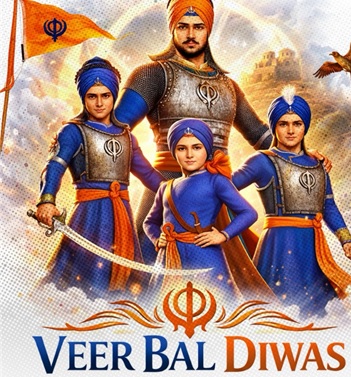
Veer-Bal-Diwas

Background & Context

India’s freedom and cultural history are marked by numerous acts of moral courage and resistance against oppression. The Sikh tradition, in particular, emphasises sacrifice, righteousness, and steadfast adherence to faith. Recognising such historical sacrifices through national commemorations helps preserve collective memory and transmit ethical values to future generations.

In this spirit, the Government of India instituted Veer Bal Diwas in 2022, marking a formal national acknowledgment of the martyrdom of the Sahibzadas and their role in shaping India’s spiritual and ethical heritage.

About Veer Bal Diwas

  • Observed annually on December 26, since 2022.
  • Commemorates the martyrdom of Sahibzada Zorawar Singh Ji and Sahibzada Fateh Singh Ji, sons of Guru Gobind Singh Ji, the tenth Sikh Guru.
  • Aims to honour the bravery, resilience, and moral strength of the two young martyrs.
  • Seeks to inspire children and youth with ideals of faith, courage, and self-sacrifice.

Historical Context of Veer Bal Diwas

  • Guru Gobind Singh Ji, along with his family and followers, was forced to evacuate Anandpur Sahib after it was besieged by the Mughal army.
  • Amid the turmoil, the Guru’s youngest sons—Zorawar Singh Ji (9 years old) and Fateh Singh Ji (7 years old)—were captured by Mughal forces.
  • Despite severe pressure, the Sahibzadas refused to renounce their faith.
  • They were bricked alive on December 26, 1704, becoming enduring symbols of courage and spiritual conviction.

Significance of the Sahibzadas’ Sacrifice

  • Represents one of the most poignant examples of moral courage by children in Indian history.
  • Reinforces the Sikh ethos of standing firm against injustice, even at the cost of life.
  • Highlights the role of faith as a source of resilience in the face of tyranny.

Guru Gobind Singh Ji: Life and Contributions

Historical Position

  • The 10th Sikh Guru, who assumed spiritual leadership following the martyrdom of his father, Guru Tegh Bahadur Ji, the ninth Sikh Guru.

Contributions to Sikhism

  • Founded the Khalsa Panth, institutionalising Sikh identity and discipline.
  • Introduced the Five K’s, central to Sikh religious practice:
    • Keshuncut hair
    • Kangawooden comb
    • Karairon or steel bracelet
    • Kirpan ceremonial dagger
    • Kachera short breeches

Military and Spiritual Legacy

  • Led resistance against Mughal oppression, including the Battle of Muktsar (1705).
  • In 1708, before his death, declared the Guru Granth Sahib as the eternal spiritual authority of Sikhism, ending the line of human Gurus.

Contemporary Relevance of Veer Bal Diwas

  • Promotes value-based education rooted in history.
  • Encourages reflection on ethical leadership, sacrifice, and duty.
  • Strengthens cultural unity by recognising the contributions of Sikh history to India’s broader civilisational ethos.

The Road Ahead: Preserving Ethical Memory Through National Observances

By institutionalising Veer Bal Diwas, India reinforces the importance of historical remembrance in nurturing civic values. Such commemorations ensure that stories of courage and moral resolve continue to inspire generations in an increasingly complex world.

FAQs

Q1. What is Veer Bal Diwas?

A national observance commemorating the martyrdom of Sahibzada Zorawar Singh Ji and Sahibzada Fateh Singh Ji.

Q2. When is Veer Bal Diwas observed?

December 26 every year.

Q3. Why is Veer Bal Diwas important?

It honours exceptional courage and moral strength displayed by the young Sahibzadas in the face of religious persecution.

Q4. Who was Guru Gobind Singh Ji?

The tenth Sikh Guru, founder of the Khalsa Panth, and a key spiritual and military leader in Sikh history.

Q5. What is the significance of the Five K’s?

They symbolise Sikh identity, discipline, and commitment to righteous living.

Rashtriya Prerna Sthal: A National Memorial to Leadership and Public Service

Prelims: (Culture + CA)
Mains: (GS 1 – Modern History, Culture; GS 2 – Governance, Leadership)

Why in News ?

The Prime Minister recently inaugurated the Rashtriya Prerna Sthal in Lucknow, Uttar Pradesh, on the occasion of the 101st birth anniversary of former Prime Minister Atal Bihari Vajpayee, dedicating the complex to his life, ideals, and contribution to nation-building.
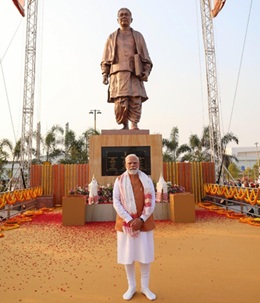
Background & Context

India has a long tradition of commemorating national leaders through memorials that serve not merely as sites of remembrance but also as spaces for public inspiration and civic education. In recent years, there has been a renewed emphasis on creating national monuments that reflect India’s democratic ethos, leadership values, and cultural heritage.

Atal Bihari Vajpayee, one of India’s most respected statesmen, played a pivotal role in shaping India’s foreign policy, economic reforms, and democratic institutions during the late 20th and early 21st centuries. The Rashtriya Prerna Sthal seeks to institutionalise his legacy while also honouring broader ideological contributions to Indian public life.

About Rashtriya Prerna Sthal

  • Developed as a landmark national memorial and inspirational complex of enduring national significance.
  • Dedicated to the life, ideals, and public service philosophy of Shri Atal Bihari Vajpayee, former Prime Minister of India.
  • Located on the banks of the Gomti River in Lucknow, Uttar Pradesh, enhancing its cultural and geographical prominence.
  • Envisioned as a permanent national asset, aimed at inspiring present and future generations.

Architectural and Symbolic Features

  • The complex houses a state-of-the-art museum designed in the shape of a lotus flower, symbolising purity, continuity, and national ethos.
  • Features 65-foot-high bronze statues of:
    • Shri Atal Bihari Vajpayee
    • Dr. Syama Prasad Mookerjee
    • Pandit Deendayal Upadhyaya
  • The statues collectively reflect key ideological, political, and cultural strands in India’s post-independence public life.

Vision and Objectives of the Complex

The Rashtriya Prerna Sthal is designed to function beyond a commemorative space, with broader national objectives:

  • Promotion of leadership values rooted in democratic ethics
  • Encouragement of national service and public responsibility
  • Fostering cultural consciousness and constitutional values
  • Serving as a hub for public inspiration, education, and reflection

Atal Bihari Vajpayee: Ideals and Legacy

  • Known for statesmanship, consensus-building, and democratic restraint
  • Played a key role in:
    • Economic liberalisation and infrastructure development
    • Strengthening India’s global diplomatic profile
    • Advancing peace initiatives while safeguarding national security
  • His leadership style emphasised dialogue, inclusivity, and institutional respect, making him a unifying figure across political divides.

Broader Significance for Governance and Civic Culture

  • Institutionalises remembrance through educational and cultural engagement rather than symbolic tribute alone.
  • Reflects India’s evolving approach to heritage-led public spaces.
  • Reinforces the role of ethical leadership and values-based governance in a democratic polity.

Cultural and Tourism Dimension

  • Adds to Lucknow’s cultural landscape as a heritage and educational destination.
  • Enhances public history and political awareness among citizens.
  • Expected to contribute to cultural tourism and local development in Uttar Pradesh.

The Road Ahead: Memorials as Instruments of Civic Learning

By integrating history, architecture, and public education, the Rashtriya Prerna Sthal exemplifies a shift towards memorials that actively engage citizens. Such spaces can strengthen democratic culture by linking leadership legacies with contemporary governance challenges and national aspirations.

FAQs

Q1. What is the Rashtriya Prerna Sthal ?

It is a national memorial and inspirational complex in Lucknow dedicated to Atal Bihari Vajpayee and the ideals of public service and leadership.

Q2. Where is it located ?

On the banks of the Gomti River in Lucknow, Uttar Pradesh.

Q3. Which leaders are commemorated at the complex ?

Atal Bihari Vajpayee, Dr. Syama Prasad Mookerjee, and Pandit Deendayal Upadhyaya.

Q4. What is unique about its design ?

It features a lotus-shaped museum and 65-foot-high bronze statues symbolising national ideals.

Q5. Why is it important for UPSC preparation ?

It links modern history, political leadership, governance values, and cultural heritage—relevant for both Prelims and GS papers.

Bangladesh in Political Flux: Islamist Resurgence and India’s Strategic Dilemma

Prelims: (International Relations + CA)
Mains: (GS 2 – International Relations, Governance; GS 3 – Security)

Why in News ?

Bangladesh is witnessing widespread political unrest, violence, and institutional disruption amid the return of Bangladesh Nationalist Party (BNP) acting chairman Tarique Rahman after 17 years in exile. The crisis has been accompanied by rising anti-India rhetoric and the growing influence of Jamaat-e-Islami, raising serious concerns for regional stability and India’s strategic interests.
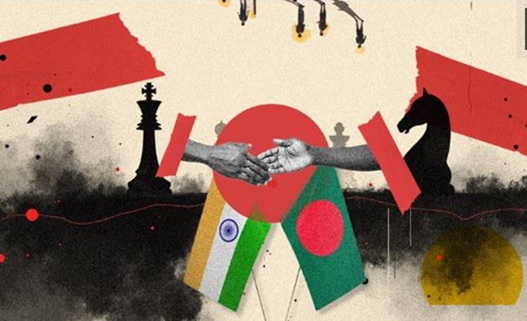
Background & Context

Since the Liberation War of 1971, Bangladesh’s political identity has been anchored in secular nationalism, with the Awami League as the principal custodian of this legacy. Over the past decade, under Sheikh Hasina, Bangladesh experienced political stability, strong economic growth, and deepening strategic ties with India.

However, underlying ideological fault lines—particularly between secular-nationalist forces and Islamist groups—have persisted. The current turmoil marks a decisive rupture from the post-1971 political consensus, with implications extending beyond Bangladesh’s internal politics to South Asian regional security.

Forces Driving the Current Turmoil in Bangladesh

A Planned Regime-Change Operation (July–August 2024)

  • The unrest that began in mid-2024 has been projected as a popular uprising, but multiple indicators suggest a coordinated effort aimed at regime change.
  • Bangladesh’s Chief Adviser Muhammad Yunus acknowledged in September 2024 that a close aide had acted as the key strategist.
  • Jamaat-e-Islami, historically aligned with Pakistan and opposed to the 1971 liberation narrative, has emerged as a major beneficiary and influential force within the administration.

Dismantling the Post-1971 Political Order

  • A core objective of the unrest has been the erosion of Bangladesh’s liberation-era political foundations.
  • Since August 5, 2024, symbols, institutions, and narratives linked to the Liberation War and the Awami League have been systematically targeted.
  • This represents an attempt to reshape national memory and redefine Bangladesh’s ideological orientation.

Minority Repression and Visible Islamisation

  • The turmoil has been accompanied by heightened attacks on religious minorities, including Hindus, Buddhists, Christians, and Ahmadiyyas.
  • Reported abuses include killings, sexual violence, destruction of property, and land seizures.
  • The lynching of Dipu Chandra Das triggered international condemnation, highlighting the gravity of human rights violations.
  • These developments point to an accelerated push towards overt Islamisation of public life.

Mobocracy and Media Control as Instruments of Power

Jamaat-e-Islami’s consolidation of influence has relied on coercive and extra-institutional methods:

  • Mobocracy: Crowds surround courts, administrative offices, and officials to force compliance with demands.
  • Institutional Capture: Jamaat-aligned individuals are replacing incumbents across bureaucracy, academia, and public institutions.
  • Media Suppression: Attacks on journalists have increased sharply; offices of Prothom Alo and The Daily Star were vandalised, and journalists have reportedly been detained without due process.

Economic Unravelling and Strain on India Ties

  • Political instability has disrupted the economic momentum built over the past decade.
  • An economy that sustained 6.5–7% annual growth for nearly 15 years has slowed significantly.
  • Key indicators include factory closures, rising unemployment, stalled private investment, and high inflation.
  • Long-standing economic cooperation with India—spanning trade, energy, connectivity, and infrastructure—has come under strain.

Tarique Rahman’s Return: Political Impact After 17 Years

  • BNP acting chairman Tarique Rahman’s return from exile positions him as a leading contender if elections are held.
  • With the Awami League barred from contesting, any near-term election risks falling short of free and fair standards.
  • Rahman’s return has generated public enthusiasm, partly driven by sympathy for his ailing mother.
  • However, structural constraints persist:
    • A restricted electoral field
    • A fragmented BNP
    • A strengthened and emboldened Jamaat-e-Islami
  • Popular sentiment alone may not translate into decisive political change in the short term.

Rising Anti-India Rhetoric in Bangladesh

  • Anti-India sentiment has historical roots; even in 1971, nearly one-fifth of the population opposed the Liberation War and India’s role.
  • This ideological strand has coexisted with mainstream politics over decades.
  • Despite this, India–Bangladesh relations have been underpinned by deep people-to-people ties:
    • Trade and investment
    • Tourism and medical travel
    • Education and cultural exchanges
  • The current escalation risks undermining these long-standing linkages.

India’s Strategic Priorities in the Current Crisis

First Priority: Reassure the Bangladeshi People

  • India must emphasise solidarity with the people of Bangladesh, not merely the ruling dispensation.
  • New Delhi has demonstrated restraint and goodwill by:
    • Continuing trade and aid
    • Keeping diplomatic channels open
    • Agreeing to export 50,000 metric tonnes of rice
  • Strategic patience combined with broad-based engagement remains essential.

Second Priority: Advocate Inclusive Elections

  • India should consistently push for free, fair, and inclusive elections involving all major political actors, including the Awami League.
  • Political exclusion risks prolonging instability, violence, and governance breakdown.
  • Only an inclusive electoral process can restore legitimacy and long-term stability.

Why the India–Bangladesh Relationship Matters Deeply

Economic and Developmental Interdependence

  • Bangladesh’s economic success under Sheikh Hasina was closely linked to cooperation with India.
  • India has repeatedly acted as:
    • First responder during crises
    • Reliable development and trade partner
  • While Bangladesh is engaging Pakistan, China, and Turkey, none can match India’s geographic proximity, speed of response, or depth of engagement.

Strategic and Security Significance for India

  • India shares a 4,000+ km porous land border and a maritime boundary with Bangladesh, making cooperation vital for internal security.
  • In the past, Pakistan-backed terror groups and Northeast insurgents used Bangladeshi territory as safe havens—an issue addressed decisively under Sheikh Hasina.

Growing Strategic Risks Since August 2024

  • Reports indicate renewed Pakistani military and intelligence engagement with Bangladesh.
  • Efforts to re-establish pre-1971 command-and-control linkages and expand military presence near the India–Bangladesh border raise serious security concerns.
  • These developments could have spillover effects on India’s eastern and northeastern security environment.

The Road Ahead: Managing Instability in India’s Eastern Neighbourhood

India faces the challenge of balancing strategic restraint with proactive diplomacy. Supporting democratic inclusivity, safeguarding minority rights, maintaining economic engagement, and preventing external strategic encroachment will be critical. How India navigates Bangladesh’s current flux will significantly shape regional stability in South Asia.

FAQs

Q1. Why is Jamaat-e-Islami’s rise in Bangladesh a concern ?

It challenges the post-1971 secular political order and is linked to violence, minority repression, and anti-India positioning.

Q2. Why does Tarique Rahman’s return matter ?

His return reshapes opposition politics but does not fundamentally alter structural constraints or ensure free and fair elections.

Q3. How does the crisis affect India–Bangladesh relations ?

It strains economic cooperation, increases anti-India rhetoric, and raises security concerns along the shared border.

Q4. Why is Bangladesh strategically important for India ?

Due to shared borders, internal security implications, connectivity to the Northeast, and regional stability considerations.

Q5. What should India’s approach be going forward ?

Strategic restraint, people-centric engagement, support for inclusive elections, and vigilance against external security threats.

Urban Malaria Challenge and India’s 2030 Elimination Target

Prelims: (Health + CA)
Mains: (GS 2 – Health, Governance; GS Paper 3 – Human Development)

Why in News ?

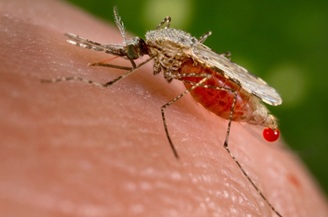
India’s Malaria Elimination Technical Report, 2025 has flagged the growing threat of urban malaria, driven by the spread of the invasive mosquito Anopheles stephensi, which could undermine India’s goal of eliminating malaria by 2030, with an interim target of zero indigenous cases by 2027, aligned with the World Health Organisation (WHO) strategy.
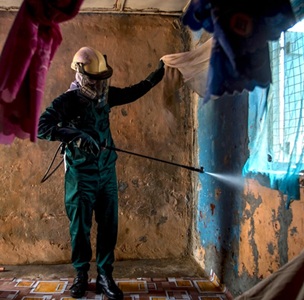
Background & Context

India has historically battled malaria as a rural and forest-linked disease, with transmission concentrated in tribal, forested, and remote areas. Over the last decade, sustained public health interventions have pushed the country into the pre-elimination phase.

However, rapid urbanisation, unplanned construction, population mobility, and climate variability have altered malaria transmission dynamics. The emergence of Anopheles stephensi, an urban-adapted and globally recognised invasive vector, represents a structural shift in India’s malaria epidemiology—necessitating a reorientation of control strategies from rural to urban ecosystems.
Urban Malaria: A New Challenge

  • Detection of Anopheles stephensi in cities such as Delhi indicates expanding urban transmission.
  • Unlike traditional malaria vectors, it thrives in man-made water storage such as:
    • Overhead tanks
    • Tyres
    • Construction sites
  • It efficiently transmits both Plasmodium falciparum and Plasmodium vivax, complicating elimination efforts.
  • Fragmented urban healthcare delivery and informal settlements increase vulnerability.

Why Anopheles stephensi Is a Serious Threat

  • Recognised globally as an invasive mosquito vector
  • Highly adapted to:
    • Dense populations
    • Informal urban settlements
    • Inconsistent water supply systems
  • Requires urban-specific surveillance and vector control, unlike conventional rural-focused malaria programmes
  • Raises the risk of re-establishment of malaria even in low-transmission urban areas

Persistent High-Burden Pockets in India

Although national incidence has declined sharply, malaria transmission is now geographically concentrated:

  • High-burden districts persist in:
    • Odisha
    • Tripura
    • Mizoram
  • Cross-border transmission from Myanmar and Bangladesh affects northeastern districts

Key Drivers of Continued Transmission

  • Asymptomatic infections
  • Difficult terrain and remote forest areas
  • Migration and population mobility
  • Occupational exposure
  • Uneven access to healthcare services

India’s Progress So Far

  • Malaria cases declined from 11.7 lakh (2015) to about 2.27 lakh (2024)
  • Malaria-related deaths reduced by 78%
  • Active surveillance intensified in:
    • Tribal
    • Forest
    • Border
    • Migrant-population settings

Health System Gaps Identified

  • Inconsistent reporting from the private healthcare sector
  • Limited entomological surveillance capacity
  • Rising drug and insecticide resistance
  • Operational gaps in remote tribal regions
  • Occasional shortages of diagnostics and treatment supplies

Priority Actions and Research Areas

  • Strengthening disease surveillance and vector monitoring
  • Ensuring uninterrupted supply of diagnostics and medicines
  • Focused operational research on:
    • Asymptomatic malaria infections
    • Ecology and control of Anopheles stephensi
    • Drug and insecticide resistance
    • Optimisation of P. vivax treatment regimens

Strategic Frameworks Guiding Elimination

India’s malaria elimination efforts are anchored in a strong policy architecture:

  • National Framework for Malaria Elimination (NFME), 2016
    • Zero indigenous cases by 2027
  • National Strategic Plan for Malaria Elimination (2023–2027)
    • Enhanced surveillance
    • “Test–Treat–Track” approach
    • Real-time monitoring via the Integrated Health Information Platform (IHIP)

Vector Control and Urban Malaria Management

Integrated Vector Management (IVM) remains central, including:

  • Indoor Residual Spraying (IRS)
  • Long-Lasting Insecticidal Nets (LLINs)

Special emphasis is placed on urban malaria control, targeting breeding sites of Anopheles stephensi through improved water management and municipal coordination.

Strengthening Diagnostics, Health Systems, and Communities

  • National Reference Laboratories established under the National Centre of Vector Borne Diseases Control (NCVBDC)
  • District-specific action plans for high-endemic and tribal areas
  • Integration of malaria services into Ayushman Bharat, with:
    • Community Health Officers
    • Ayushman Arogya Mandirs delivering last-mile care

Capacity Building, Research, and Partnerships

  • Over 850 health professionals trained in 2024 through national refresher programmes
  • Evidence-based interventions guided by resistance monitoring
  • Intensified Malaria Elimination Project–3 (IMEP-3):
    • Covers 159 districts across 12 states
    • Focus on vulnerable populations, LLIN distribution, entomological studies, and surveillance

The Road Ahead: Towards a Malaria-Free India by 2030

India remains firmly committed to achieving zero indigenous malaria cases by 2027 and complete elimination by 2030, with safeguards against re-establishment.
Addressing urban malaria through targeted vector control, strong surveillance, community participation, and sustained investment will be critical. Successfully tackling Anopheles stephensi could position India as a global model for malaria elimination in rapidly urbanising settings.

FAQs

Q1. Why is Anopheles stephensi a concern for India ?

It is an invasive mosquito adapted to urban environments and capable of sustaining malaria transmission in cities.

Q2. What is India’s malaria elimination target ?

Zero indigenous cases by 2027 and complete elimination by 2030.

Q3. Which regions still report high malaria burden ?

Parts of Odisha, Tripura, Mizoram, and northeastern border districts.

Q4. What role does urbanisation play in malaria spread ?

Unplanned growth creates breeding sites and weakens surveillance, aiding urban malaria transmission.

Q5. What is the IMEP-3 programme ?

A targeted malaria elimination initiative covering 159 high-risk districts across 12 states.

« »
  • SUN
  • MON
  • TUE
  • WED
  • THU
  • FRI
  • SAT
Have any Query?

Our support team will be happy to assist you!

OR