- The Government of India has announced that the 2027 Census will be conducted entirely through digital means, marking a historic technological shift in India’s decennial population-counting exercise.
- Minister of State for Home Affairs Nityanand Rai shared details in the Lok Sabha on 9 December.
- This will be India’s first fully digital census.

Digital Census 2027
- India’s Census is one of the largest administrative exercises in the world.
- The 2027 Census will be conducted 100% digitally.
- Data will be collected using a dedicated Mobile Application.
- Respondents will have the option of Self-Enumeration through a web portal.
- A Dedicated Census Portal will manage and monitor the entire process.
- The Census Questionnaire will be notified in the Official Gazette before fieldwork begins.
Constitutional and Legal Basis
- The Census is conducted under the Census Act, 1948, which empowers the Central Government to collect demographic and socio-economic data.
- The Census is a Union Subject under Entry 69 of the Seventh Schedule, Union List.
- It is conducted every 10 (decimal) years.
- This comes under the Ministry of Home Affairs, Government of India.
- The Census Questionnaire is notified in the Official Gazette before the Census begins.
How Will the Digital Census Be Conducted ?
A. Data Collection Through Mobile App
- Enumerators will use a secure mobile application.
- The app will have features like:
- Real-time data uploading
- GPS-tagging
- Automated error checking
- Tablets/Mobile devices will replace paper forms, saving both time and resources.
B. Self-Enumeration
- For the first time, individuals can enter their own data.
- Respondents will receive Unique Login ID / OTP-based access.
- Data for all household members can be uploaded through the portal.
- This will increase participation, especially in urban areas.
C. Data Management & Monitoring
- A unified digital portal will monitor the progress of enumeration in real time.
- Tracking will be possible at the state, district, block, and enumeration-unit levels.
- Strong security measures will include:
- Data encryption
- Server-level security
- Cloud storage protection
What Information Will the Census Collect ?
A. Individual-Level Data
- Name, age, sex, marital status
- Mother tongue, literacy level, educational status
- Economic activity and employment details
B. Housing & Living Conditions
- Duration of stay at current residence
- Type of house, amenities, housing conditions
- Indicators of quality of life
C. Migration-Related Information
The existing methodology will continue:
- Place of Birth
- Place of Last Residence
- Duration of stay at current residence
- Reasons for migration—employment, education, marriage, family reasons, displacement, etc.
This information is crucial for understanding internal migration patterns, urbanisation trends, and labor mobility in India.
Why is the Digital Census Important ?
(i) Improved Transparency and Accuracy
- Digital forms auto-detect errors.
- Reduces human error and duplication of entries.
(ii) Cost Reduction
- Saves large expenditure on printing, transport, and storage of paper forms.
- Digital systems lower long-term administrative costs.
(iii) Faster Data Processing
- Data is available instantly on secure servers.
- Reports can be generated quickly, aiding timely policymaking.
(iv) Better Policy-Making
Accurate data will help in:
- Education and health planning
- Welfare schemes
- Resource allocation
- Understanding demographic and migration trends
(v) Boost to E-Governance
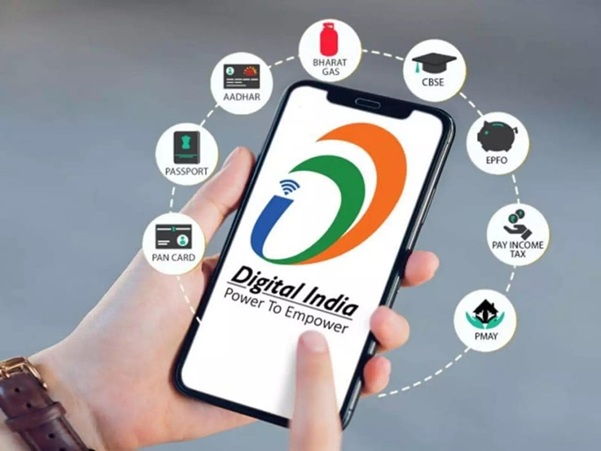
- Strengthens the Digital India initiative.
- Enhances the use of technology in public administration.
Challenges
1. Digital Divide
- Low smartphone and internet penetration in rural or remote areas may hinder enumeration.
2. Cybersecurity Risks
- Protecting sensitive personal data from hacking and breaches is a major concern.
3. Training of Enumerators
- Millions of field workers must be trained to use the new digital tools.
4. Data Privacy
- Census data must remain confidential.
- Requires strong legal frameworks, security systems, and oversight mechanisms.
|
Which ministry oversees the Census in India ?
(a) Ministry of Statistics and Programme Implementation
(b) Ministry of Home Affairs
(c) Ministry of Digital India
(d) Ministry of Planning
|







 Contact Us
  New Batch : 9555124124/ 7428085757
  Tech Support : 9555124124/ 7428085757