
- UPSC Exam
- State PCS
- One Day Exam
- Current Affairs
- PT Quiz
- Downlaods
- About Coaching
- Blog
- Videos

| Prelims: (Polity & Governance + CA) Mains: (GS 2 – Social Justice, Governance; GS 3 – Skill Development, Entrepreneurship) |
Recently, the Minister of State (Independent Charge), Ministry of Skill Development and Entrepreneurship (MSDE), informed the Lok Sabha about the Swavalambini Scheme, a national initiative aimed at promoting women entrepreneurship through structured training, mentorship, and institutional support.
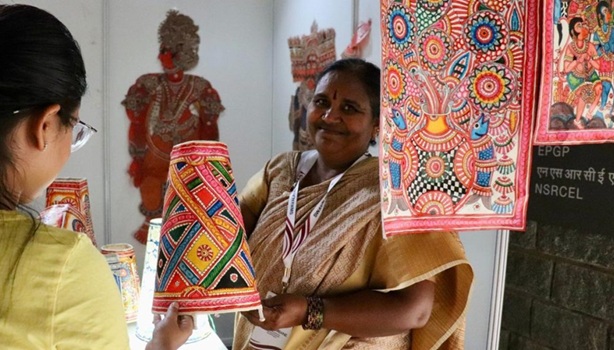
Despite significant progress in education and workforce participation, women in India continue to face systemic barriers to entrepreneurship, including:
India’s female labour force participation rate remains among the lowest globally, and women-led enterprises account for a relatively small share of total businesses, particularly in high-growth and formal sectors.
Recognising that entrepreneurship can serve as a powerful tool for women’s economic empowerment, financial independence, and leadership, the government has increasingly focused on skill development, enterprise promotion, and ecosystem building for women.
The Swavalambini Scheme emerges within this broader policy context, aiming to create a pipeline of confident, skilled, and networked young women entrepreneurs from educational institutions.
The Swavalambini Scheme is a women entrepreneurship programme designed to empower young women with the skills, mindset, and institutional support needed to establish their own businesses.
It introduces a structured, multi-stage training model to help participants move from:
The scheme seeks to:
Target Group: 1,200 female students from Higher Educational Institutes (HEIs) and universities across India.
Participants undergo an introductory programme focused on:
This stage provides in-depth training on:
After formal training, participants receive:
This ensures that training translates into real, sustainable enterprises, rather than remaining theoretical.
This multi-institutional approach ensures coordination between training, finance, recognition, and ecosystem development.
1. Advancing Women’s Economic Empowerment
By enabling women to create and own enterprises, the scheme promotes financial independence, asset ownership, and economic agency.
2. Enhancing Female Labour Force Participation
Entrepreneurship offers an alternative pathway to employment, particularly in regions where formal jobs are scarce or social norms limit women’s workforce participation.
3. Building a Sustainable Startup Pipeline
By targeting students, the scheme nurtures entrepreneurial talent early, strengthening India’s long-term startup ecosystem.
4. Supporting Inclusive Growth
Women-led enterprises often invest more in family health, education, and community development, contributing to broader social outcomes.
5. Aligning with National Development Goals
The scheme supports national objectives under:
FAQs1. What is the Swavalambini Scheme ? It is a national women entrepreneurship programme aimed at empowering young women with skills, mentorship, and support to establish sustainable businesses. 2. Who implements the Swavalambini Scheme ? It is implemented by NIESBUD, Noida, and IIE, Guwahati, under the supervision of the Ministry of Skill Development and Entrepreneurship. 3. Who are the beneficiaries of the scheme ? 1,200 female students from higher educational institutions and universities across India. 4. What support does NITI Aayog provide under the scheme ? NITI Aayog offers mentoring, facilitates seed funding, and recognises successful entrepreneurs through the Award To Reward (ATR) initiative. 5. Why is the Swavalambini Scheme significant ? It promotes women-led development, enhances female labour force participation, strengthens India’s startup ecosystem, and supports inclusive economic growth. |



Our support team will be happy to assist you!

 Contact Us
  New Batch : 9555124124/ 7428085757
  Tech Support : 9555124124/ 7428085757