|
Prelims : International Relations + Economy + Agriculture + CA
Mains : GS Paper 3 – Agriculture; Food Security; Economic Development
|
Why in News ?
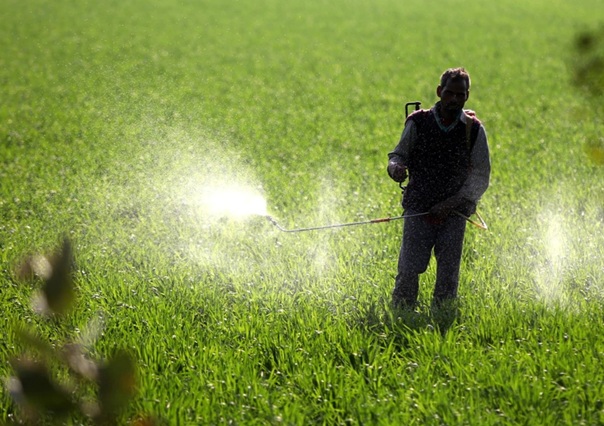
India is facing a deepening fertiliser crisis due to supply disruptions caused by the ongoing conflict involving Iran, which has significantly impacted global energy and fertiliser supply chains.
- The crisis has led to a sharp rise in fertiliser prices, especially urea, a critical agricultural input
- India has been forced to import fertilisers at significantly higher prices, increasing fiscal pressure on the government
- The disruption is linked to geopolitical instability affecting key trade routes and energy supplies in West Asia
- The situation has raised concerns about :
- Food security
- Inflation
- Agricultural productivity
This highlights India’s structural vulnerability due to its heavy dependence on fertiliser imports.
What is the Nature of the Fertiliser Crisis ?
1. Supply Shock Due to Geopolitical Disruption
- The ongoing conflict has disrupted supply chains in West Asia, affecting :
- Fertiliser exports
- Natural gas supplies (a key input in fertiliser production)
- The Strait of Hormuz has been impacted :
- A major share of global fertiliser and energy trade passes through this route
- Disruptions have caused delays, higher freight costs, and reduced availability
- This has resulted in a global supply shock, where supply contracts sharply while demand remains stable
2. Sharp Increase in Fertiliser Prices
- Prices of key fertilisers such as urea have :
- Increased drastically within a short span
- This surge reflects :
- Scarcity of supply
- Higher energy costs
- Increased transportation and insurance charges
3. Impact on Domestic Production
- India’s domestic fertiliser production is also affected because :
- It relies heavily on imported natural gas
- Disruptions in gas supply have :
- Raised production costs
- Reduced operational efficiency of fertiliser plants
- This creates a dual constraint :
- Reduced imports
- Increased domestic production costs
4. Demand-Supply Mismatch During Agricultural Season
- The crisis coincides with the kharif season, when fertiliser demand peaks
- Low stock levels combined with reduced supply result in :
- Shortages at the retail level
- Delayed availability for farmers
Why is India Highly Vulnerable?
1. Heavy Import Dependence
- India is among the largest importers of fertilisers globally
- A significant share o f:
- Urea
- Phosphatic and potassic fertilisers
is sourced from :
- West Asia
- Other international markets
2. Dependence on Imported Raw Materials
- Even domestic production depends on :
- Imported natural gas
- Intermediate inputs like ammonia
- This exposes India to :
- Global price volatility
- Supply disruptions
3. Limited Domestic Capacity Expansion
- Domestic fertiliser capacity :
- Falls short of total demand
- Scaling production quickly is difficult due to :
- Infrastructure constraints
- High capital requirements
4. Seasonal Demand Pressure
- Fertiliser demand is :
- During peak agricultural periods :
- Any disruption leads to acute shortages
Impact on India
1. Rising Fertiliser Subsidy Burden
- The government provides fertilisers at subsidised rates
- Rising global prices lead to :
- Higher subsidy expenditure
- Increased fiscal pressure
2. Impact on Farmers
- Farmers face :
- Supply shortages
- Uncertainty in availability
- This may result in :
- Reduced fertiliser usage
- Lower crop yields
3. Threat to Food Security
- Lower fertiliser application leads to :
- Reduced agricultural productivity
- This can affect :
- Food availability
- Price stability
4. Inflationary Pressures
- Higher input costs translate into :
- This contributes to :
- Food inflation
- Overall inflation in the economy
5. External Sector Pressure
- Increased import bills lead to :
- Greater demand for foreign exchange :
- Affects macroeconomic stability
Global Context
1. Link Between Energy and Fertiliser Markets
- Fertiliser production is closely tied to :
- Energy disruptions directly impact :
2. Global Supply Chain Disruptions
- Many countries are facing :
- Similar shortages
- Increased competition for limited supply
3. Risk of Global Food Crisis
- Reduced fertiliser use worldwide may :
- This can lead to :
- Food shortages
- Rising global food prices
Government Response
1. Emergency Imports
- India is increasing imports to:
- Ensure timely availability
2. Diversification of Supply Sources
- Efforts are underway to :
- Reduce dependence on specific regions
3. Boosting Domestic Production
- Focus on :
- Expanding manufacturing capacity
- Improving efficiency
4. Promotion of Alternative Fertilisers
- Encouraging :
- Nano fertilisers
- Balanced nutrient usage
5. Long-Term Sustainability Measures
- Emphasis on :
- Green ammonia
- Sustainable agriculture practices
Challenges Ahead
1. Persistent Geopolitical Risks
- Continued instability may :
- Prolong supply disruptions
2. Fiscal Constraints
- Rising subsidies may :
- Limit public spending flexibility
3. Structural Dependence
- Reducing import dependence requires :
4. Supply Chain Bottlenecks
- Logistics and shipping issues :
Way Forward
1. Achieving Fertiliser Self-Reliance
- Expand domestic production
- Invest in alternative technologies
2. Diversification of Imports
- Reduce dependence on :
- Specific regions like West Asia
3. Strategic Buffer Stocks
4. Promoting Sustainable Agriculture
- Encourage :
- Organic farming
- Precision agriculture
5. Integrated Policy Approach
- Align :
- Energy policy
- Agricultural policy
- Trade policy
Practice Questions
Prelims
Q. The recent fertiliser crisis in India is primarily linked to :
(a) Decrease in domestic demand
(b) Technological failure in agriculture
(c) Disruption in global supply chains due to geopolitical conflict
(d) Reduction in government subsidies
Mains
“India’s fertiliser crisis highlights structural vulnerabilities in its agricultural and economic system.” Discuss.
FAQs
Q1. What caused the fertiliser crisis ?
Supply disruptions due to geopolitical conflict.
Q2. Why is fertiliser important ?
It is essential for crop productivity.
Q3. How does it affect inflation ?
Through increased food prices.
Q4. What is the biggest vulnerability ?
Dependence on imports.
Q5. What is the long-term solution ?
Self-reliance and diversification.
|






 Contact Us
  New Batch : 9555124124/ 7428085757
  Tech Support : 9555124124/ 7428085757