New
GS Foundation (P+M) - Delhi : 19th Jan. 2026, 11:30 AM Spring Sale UPTO 75% + 10% Off, Valid Till : 6th Feb., 2026 GS Foundation (P+M) - Prayagraj : 09th Jan. 2026, 11:00 AM Spring Sale UPTO 75% + 10% Off, Valid Till : 6th Feb., 2026 GS Foundation (P+M) - Delhi : 19th Jan. 2026, 11:30 AM GS Foundation (P+M) - Prayagraj : 09th Jan. 2026, 11:00 AM

India–GCC Free Trade Talks Gain Momentum with Formal Launch of Negotiations

Prelims: (International Relations + CA)
Mains: (GS 2 – India’s Foreign Policy, Economic Diplomacy, Regional Groupings)

Why in News ?

India and the Gulf Cooperation Council (GCC) have signed the Terms of Reference (ToR) for a Free Trade Agreement (FTA) in New Delhi, formally launching negotiations for a comprehensive trade pact.

The move marks a significant step in deepening India’s economic engagement with West Asia, a region that plays a critical role in India’s energy security, diaspora welfare, remittance inflows, and trade diversification.
Background and Context

  • The Gulf region has long been central to India’s foreign policy due to:
    • Heavy dependence on Gulf countries for crude oil and natural gas
    • Presence of over 9 million Indian expatriates, forming the largest migrant community in the region
    • Strong trade, remittance, and investment linkages
    • While India has bilateral trade agreements with individual Gulf countries, a comprehensive bloc-level FTA with the GCC has been under discussion for over a decade.
  • The signing of the Terms of Reference (ToR) signals renewed political will on both sides to:
    • Expand trade beyond hydrocarbons
    • Build resilient supply chains
    • Integrate India more deeply into West Asian and global value chains
  • The development aligns with India’s broader trade strategy, following recent trade agreements with the UAE, Australia, EFTA, and the UK.

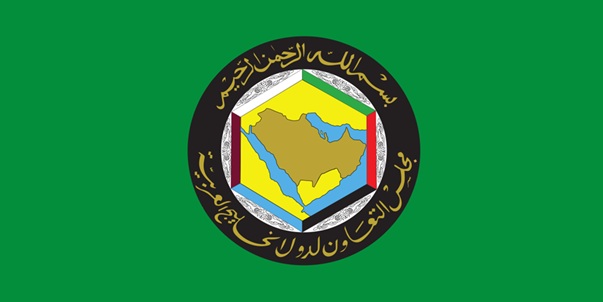
About the Gulf Cooperation Council (GCC)

  • Established: 1981
  • Nature: Regional political and economic alliance
  • Member Countries:
    • Bahrain
    • Kuwait
    • Oman
    • Qatar
    • Saudi Arabia
    • United Arab Emirates (UAE)
  • Headquarters: Riyadh, Saudi Arabia
  • Objective: To foster cooperation in:
    • Economic integration
    • Security and defence
    • Cultural and social development
    • Regional stability

Organisational Structure of the GCC

1. Supreme Council

  • Highest authority of the GCC.
  • Composed of the heads of member states.
  • Presidency rotates alphabetically.
  • Meets annually in regular sessions.

2. Ministerial Council

  • Composed of foreign ministers or their representatives.
  • Responsible for proposing policies and implementing Supreme Council decisions.

3. Secretariat General

  • Based in Riyadh.
  • Prepares studies and coordinates joint Gulf projects and initiatives.
  • Facilitates cooperation, integration, and policy execution.

India–GCC Economic Engagement

Trade Profile

  • India’s Exports to GCC:
    • Engineering goods
    • Rice
    • Textiles and apparel
    • Machinery
    • Gems and jewellery
  • India’s Imports from GCC:
    • Crude oil
    • Liquefied natural gas (LNG)
    • Petrochemicals
    • Precious metals such as gold

Strategic Importance

  • The GCC collectively accounts for:
    • A significant share of India’s energy imports
    • A large portion of India’s foreign remittances
    • Growing sovereign and private investments in Indian infrastructure, real estate, fintech, and renewable energy

Significance of the Proposed India–GCC Free Trade Agreement

1. Trade Diversification and Market Access

  • The FTA could:
    • Reduce tariffs and non-tariff barriers
    • Improve access for Indian goods in Gulf markets
    • Expand services exports in IT, healthcare, education, and professional services

2. Strengthening Energy and Supply Security

  • A structured trade framework can:
    • Enhance predictability in energy supply contracts
    • Facilitate long-term LNG and green hydrogen partnerships
    • Support joint investments in refining, petrochemicals, and clean energy

3. Investment and Value Chain Integration

  • The FTA may encourage:
    • Increased GCC sovereign fund investments in Indian infrastructure and manufacturing
    • Integration of Indian firms into West Asian and global value chains
    • Joint ventures in logistics, ports, fintech, and digital services

4. Strategic and Geopolitical Alignment

  • Deepening economic ties strengthens India’s strategic presence in West Asia.
  • It complements India’s Act West policy and supports a multipolar regional order.
  • Enhances India’s diplomatic leverage amid global trade realignments.

5. Employment and Diaspora Welfare

  • Higher economic integration can:
    • Generate employment opportunities for Indian workers
    • Improve labour mobility frameworks
    • Strengthen social security and welfare mechanisms for the Indian diaspora

Way Forward

  • India and the GCC must:
    • Conclude negotiations on goods, services, investment, rules of origin, and dispute settlement in a time-bound manner.
    • Ensure that sensitive sectors are protected while maximising export competitiveness.
    • Align the FTA with India’s domestic reforms under Make in India, Digital India, and Atmanirbhar Bharat.
  • Parallel diplomatic engagement should focus on:
    • Labour welfare agreements
    • Green energy cooperation
    • Regional security and maritime stability in the Indian Ocean and the Gulf.

FAQs

1. What is the Gulf Cooperation Council (GCC) ?

The GCC is a regional political and economic alliance of six Gulf countries—Bahrain, Kuwait, Oman, Qatar, Saudi Arabia, and the UAE—established in 1981.

2. Why is the India–GCC FTA significant ?

It aims to boost trade, investment, energy security, and strategic ties between India and the Gulf region.

3. What are India’s main exports to the GCC ?

Engineering goods, rice, textiles, machinery, and gems and jewellery.

4. What does India mainly import from the GCC ?

Crude oil, LNG, petrochemicals, and precious metals such as gold.

5. How will the FTA benefit India remembering UPSC exam perspective ?

It supports trade diversification, strengthens energy security, promotes investment inflows, and enhances India’s strategic presence in West Asia—key themes in GS 2 and GS 3.

Have any Query?

Our support team will be happy to assist you!

OR
X