A new biosurfactant has been synthesized by an institute under India’s Department of Science and Technology (DST) in Northeast India. This compound has shown effectiveness against Staphylococcus aureus.
This development is particularly significant because this bacterium often develops resistance to antibiotics, making infections difficult to treat.
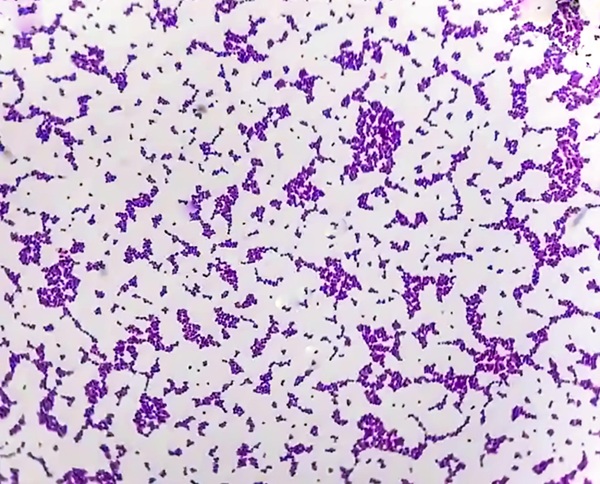
Detailed Information About Staphylococcus aureus
- Staphylococcus aureus belongs to the family Staphylococcaceae and is an important pathogenic bacterium.
- It is a Gram-positive bacterium, meaning it appears purple in the Gram staining test.
- The bacterial cells are spherical (cocci) and typically arrange themselves in grape-like clusters, which is why the name “Staphylo” (meaning cluster) is used.
- It is commonly found on human skin, inside the nose, and in the respiratory tract without causing harm. In such cases, it is considered part of the normal flora.
- However, when the immune system becomes weak or when there is a break in the skin (such as a wound), it can cause infection.
- A key feature of this bacterium is its ability to infect multiple mammalian species, making it significant for public health.
- It is also a major cause of hospital-acquired infections (HAIs).
Transmission Mechanism
Staphylococcus aureus can spread through multiple routes:
- Respiratory droplets and aerosols released when an infected person coughs or sneezes.
- Contact with contaminated objects such as towels, bedding, clothing, door handles, or medical equipment.
- Touching an infected wound and then touching another surface or person.
- Transmission between animals and humans, making it a potential zoonotic threat.
Diseases Caused by Staphylococcus aureus
Infections can range from mild to life-threatening:
Skin Infections
- Acne
- Impetigo
- Boils (Furuncles)
- Carbuncles
- Cellulitis
- Folliculitis
- Staphylococcal Scalded Skin Syndrome (SSSS), where the skin appears burned or peeled
Severe Internal Infections
- Pneumonia (lung infection)
- Sepsis (blood infection)
- Endocarditis (infection of the inner lining of the heart)
- Osteomyelitis (bone infection)
- Septic arthritis (joint infection)
Food Poisoning
- It can produce enterotoxins, leading to food poisoning.
Treatment and Challenges
- Most mild infections can be treated with topical or oral antibiotics.
- Severe infections may require intravenous (IV) antibiotics.
- However, a resistant strain known as Methicillin-resistant Staphylococcus aureus (MRSA) has developed resistance to methicillin and several other antibiotics.
- MRSA is now a serious concern in both hospitals and community settings.
- The development of new biosurfactants is important because they may act as an alternative or supportive therapy alongside conventional antibiotics and help address the growing problem of antibiotic resistance.






 Contact Us
  New Batch : 9555124124/ 7428085757
  Tech Support : 9555124124/ 7428085757