
- UPSC Exam
- State PCS
- One Day Exam
- Current Affairs
- PT Quiz
- Downlaods
- About Coaching
- Blog
- Videos

| Prelims: (Economics + CA) Mains: (GS 3 – Infrastructure, Transport, Internal Security; GS 2 – Governance and Regulation) |
India’s aviation sector is under scrutiny following repeated operational disruptions, safety incidents, and declining service reliability among major airlines, raising concerns about the sustainability, safety, and resilience of the country’s rapidly expanding air transport system.
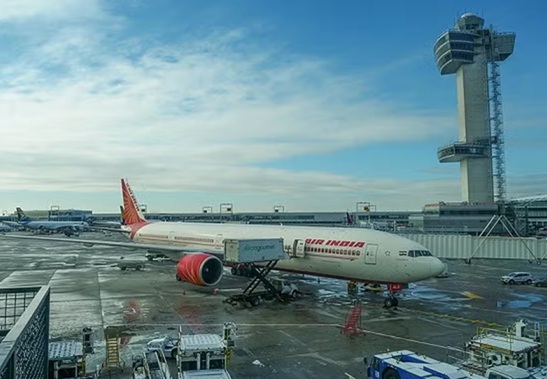
Over the past decade, India’s civil aviation sector has transformed into one of the fastest-growing in the world, driven by rising incomes, urbanisation, regional connectivity initiatives such as UDAN, and aggressive fleet expansion by private carriers. India is now the world’s third-largest domestic aviation market, reflecting a structural shift toward air travel as a mainstream mode of transport.
This rapid expansion, however, has increasingly outpaced institutional capacity, manpower availability, and regulatory oversight. The sector’s growth model—characterised by ultra-high aircraft utilisation, thin profit margins, and heavy dependence on global fuel markets—has created systemic fragilities.
Globally, aviation systems absorb shocks through spare capacity, robust training pipelines, and strong regulatory buffers. In contrast, India’s aviation ecosystem operates close to its limits, making it vulnerable to cascading failures from even minor disruptions.
India operates over 840 aircraft and carries more than 350 million passengers annually, making aviation a key driver of economic integration, tourism, trade, and mobility.
Rapid growth in air travel demand has been driven by:
However, this expansion has exposed structural weaknesses related to manpower, regulation, market concentration, and cost pressures.
While the sector contributes significantly to national development, its current growth trajectory appears overstretched, raising concerns about sustainability, safety, and passenger welfare.
The past year witnessed multiple operational failures, including:
A major disruption in December involving IndiGo acted as a failed “stress test” for the system, revealing vulnerabilities that go beyond a single airline.
These incidents were not isolated but indicative of system-wide constraints, with airlines operating close to maximum capacity.
The rising frequency of safety notices issued by the aviation regulator points to deeper compliance and oversight challenges.
To address concentration and improve connectivity, the government has approved new regional airlines aimed at serving underserved routes.
These entrants align with the objectives of the UDAN scheme, which has expanded regional air access across multiple States.
However, past failures of regional airlines highlight persistent challenges such as:
Without sustained policy support—such as assured subsidies, better airport infrastructure, and relief from fuel price volatility—new entrants risk inheriting the same fragilities.
1. Economic Growth and National Integration
Aviation underpins trade, tourism, business travel, and regional integration. Persistent disruptions threaten economic efficiency and investor confidence.
2. Passenger Safety and Welfare
Operational fragility and regulatory gaps directly affect passenger safety, service reliability, and trust in air travel.
3. Infrastructure and Employment Impact
The sector supports millions of jobs across airlines, airports, tourism, logistics, and manufacturing. Systemic stress risks employment stability.
4. Strategic Connectivity and National Security
Reliable aviation connectivity is critical for disaster response, border management, and strategic mobility.
5. Policy Credibility and Governance Capacity
The aviation crisis tests the state’s ability to regulate high-growth infrastructure sectors effectively and transparently.
FAQs1. Why is India’s aviation sector facing repeated disruptions ? Due to pilot shortages, high aircraft utilisation, regulatory capacity gaps, fuel price volatility, and high market concentration. 2. What are Flight Duty Time Limitation (FDTL) norms ? They are safety regulations that limit pilot working hours and mandate rest periods to reduce fatigue and enhance flight safety. 3. How concentrated is India’s aviation market ? Two airline groups control nearly 90% of domestic passenger traffic, creating systemic risks. 4. What is the role of the UDAN scheme ? UDAN aims to enhance regional connectivity by supporting flights to underserved and unserved airports. 5. What reforms are needed to stabilise India’s aviation sector ? Key reforms include expanding pilot training, strengthening regulation, stabilising fuel costs, promoting competition, and building operational buffers. |



Our support team will be happy to assist you!

 Contact Us
  New Batch : 9555124124/ 7428085757
  Tech Support : 9555124124/ 7428085757