
- UPSC Exam
- State PCS
- One Day Exam
- Current Affairs
- PT Quiz
- Downlaods
- About Coaching
- Blog
- Videos

| Prelims: (Economics + CA) Mains: (GS 3 – Agriculture, Subsidies, Food Security, Industrial Policy) |
The Uttar Pradesh government has banned the sale of non-subsidised fertilisers by urea manufacturers and suppliers, citing concerns over alleged “tagging” practices. The move has reignited debate over excessive regulatory controls in India’s fertiliser sector and their implications for nutrient use efficiency, private investment, and long-term agricultural sustainability.
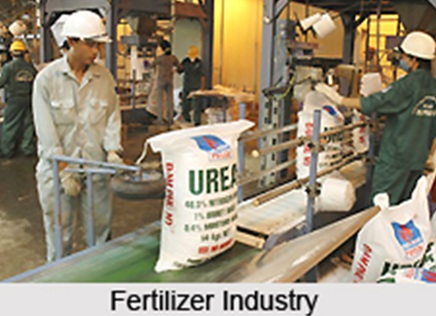
India’s fertiliser industry plays a critical role in ensuring food security, supporting one of the world’s largest agricultural economies.
Key fertilisers used in India include:
Given the political and economic sensitivity of agriculture, the sector remains one of the most tightly regulated industries in India.
Although DAP and other fertilisers are officially “decontrolled,” they operate under subsidy-linked pricing:
Thus, partial decontrol exists on paper, but effective price control continues in practice.
The Department of Fertilisers regulates:
Even private companies must comply with:
Hence, pricing, quantity, location, and timing of fertiliser sales are heavily regulated.
Apart from subsidised fertilisers, companies sell speciality nutrients such as:
These are notified under the Fertiliser Control Order, 1985.
Key Features:
In January 2026, the state prohibited urea manufacturers and suppliers from selling non-subsidised fertilisers.
Reason Cited:
Industry’s Argument:
India already faces excessive nitrogen application due to cheap urea.
Restricting speciality fertilisers may:
Frequent regulatory intervention may:
Banning organised players may:
India’s fertiliser subsidy bill remains substantial. Overdependence on subsidies strains public finances.
Layered controls on:
limit market flexibility and long-term efficiency.
1. Imbalanced Nutrient Use
Artificially low urea prices distort fertiliser consumption patterns.
2. Supply Constraints
Reports of urea selling above MRP reflect:
3. Policy Overreach
Heavy administrative control restricts private sector dynamism.
1. Gradual Subsidy Rationalisation
Encourage balanced nutrient pricing.
2. Promote Soil Health Management
Strengthen implementation of Soil Health Card schemes.
3. Encourage Speciality Fertilisers
Promote nutrient-efficient products to reduce environmental degradation.
4. Predictable Regulatory Framework
Ensure policy stability to attract investment.
5. Strengthen Monitoring Mechanisms
Address tagging concerns without blanket bans.
The fertiliser sector lies at the intersection of:
While regulation ensures affordability, excessive controls may hinder innovation, nutrient efficiency, and long-term agricultural resilience.
FAQs1. Why is the fertiliser industry highly regulated in India ? To ensure affordable fertilisers for farmers and safeguard food security. 2. What is the issue with urea pricing ? Its heavily subsidised price leads to overuse of nitrogen and nutrient imbalance. 3. What are speciality fertilisers ? Non-subsidised nutrient products used for high-value crops that improve nutrient efficiency. 4. Why did Uttar Pradesh impose the ban ? Due to allegations of forced tagging of non-subsidised fertilisers with subsidised urea. 5. What are the long-term concerns ? Policy overreach, investor uncertainty, nutrient imbalance, and fiscal burden. |



Our support team will be happy to assist you!

 Contact Us
  New Batch : 9555124124/ 7428085757
  Tech Support : 9555124124/ 7428085757