(Preliminary Examination: Current Affairs)
(Mains Examination, General Studies Paper 2: Topics Related to the Development and Management of Social Sectors/Services Related to Health, Education, Human Resources) |
Context
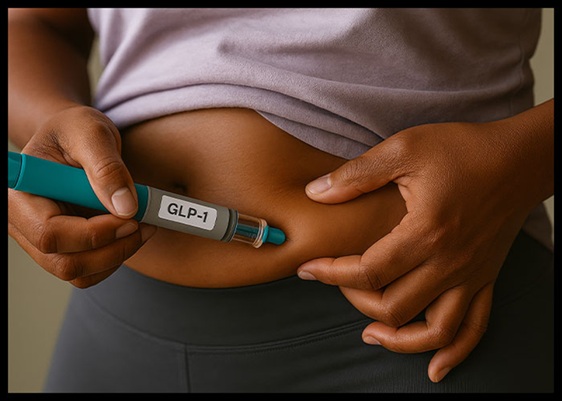
The World Health Organization (WHO) has issued global guidelines for the first time supporting the use of GLP-1 receptor agonist drugs for the long-term treatment of obesity. This guideline emphasizes viewing obesity as a chronic disease, not a problem that can be cured solely through lifestyle changes.
What is Obesity ?
- Obesity is a condition characterized by excessive body fat accumulation that poses a health risk.
- According to the WHO, individuals with a BMI of 30 or more are considered obese.
- Obesity is a major cause of diseases such as heart disease, diabetes, high blood pressure, stroke, and some cancers. It is now considered a chronic, progressive, and relapsing disease.
- More than one billion people worldwide are obese, and 3.7 million deaths are expected to be associated with obesity in 2024.
What are GLP-1 medications ?
- GLP-1 receptor agonist medications are a group of drugs originally developed to treat type 2 diabetes.
- They mimic the GLP-1 hormone found in the body, which regulates appetite and increases insulin production.
Functions:
- They reduce appetite and slow stomach emptying, leading to fewer calories consumed.
- They regulate blood sugar.
- They improve metabolic health and reduce burden on the heart and kidneys.
- They have been shown to induce weight loss of up to 10–20% when taken long-term.
About the WHO GLP-1 Guidelines
- Conditional recommendations have been issued on the use of GLP-1 drugs for the long-term treatment of obesity in adults.
- In 2024, WHO included GLP-1 drugs for diabetes on the Essential Medicines List.
- Their long-term use is now also supported for the treatment of obesity.
- Obesity is no longer an individual problem but a public health priority.
Key Guidelines
WHO recommends a model for obesity management based on three pillars:
- Creating a healthy environment
- Identifying individuals at risk and early intervention
- Lifelong, person-centered care
- These drugs are not approved for use in pregnant women.
- The drugs cannot be used alone. They must be used in conjunction with a diet plan, exercise, and counseling.
- The WHO has warned that without proper price controls and health system preparedness, access to these drugs could be unequal.
- There are concerns that by 2030, less than 10% of those who could benefit from them will have access to these drugs.
Indian Government Efforts
- India has intensified efforts to combat obesity through programs such as the National Health Policy, the Fit India Movement, the Nutrition Campaign, and the School Health Program.
- Given the rising incidence of obesity and diabetes, the government is also working on healthy food labeling, trans-fat restrictions, and sugar reduction strategies.
- India is studying WHO guidelines to align the availability, affordability, and safety of these drugs with India's health system.
Challenges
- GLP-1 drugs are very expensive and not widely available.
- There is limited data on their long-term effects, safety, and weight regain after discontinuation.
- Awareness about obesity and related diseases is low in rural areas.
- Health systems lack expert counseling and structured programs.
- Social stigma associated with obesity prevents many people from seeking treatment.
Way Forward
- Making GLP-1 drugs affordable and gradually incorporating them into India's health system.
- Running extensive awareness programs on healthy eating and physical activity in schools and communities.
- Viewing obesity as a 'chronic disease' rather than a 'lifestyle problem' and adopting new treatment models.
- Developing better infrastructure for both obesity prevention and treatment through public-private partnerships.
- Increasing long-term research to provide clear scientific evidence on the safety and long-term effects of GLP-1s.






 Contact Us
  New Batch : 9555124124/ 7428085757
  Tech Support : 9555124124/ 7428085757