
- UPSC Exam
- State PCS
- One Day Exam
- Current Affairs
- PT Quiz
- Downlaods
- About Coaching
- Blog
- Videos

| Prelims: (WHO + CA) Mains: (GS 2 – Governance; GS 3 - Health ) |
The World Health Organization (WHO) has officially declared Niger free of onchocerciasis (river blindness), making it the first country in the WHO African Region to eliminate the disease.
This achievement marks a historic milestone in the fight against neglected tropical diseases (NTDs).
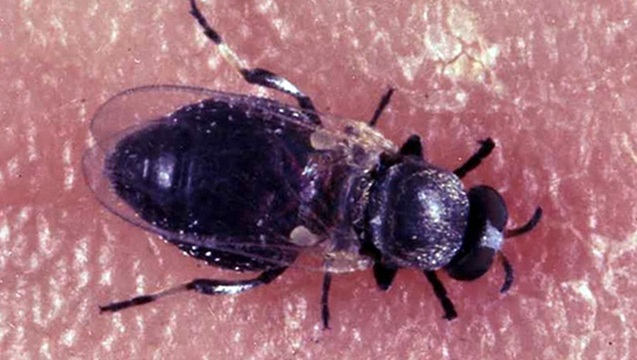
Onchocerciasis has been a major public health challenge across Africa for decades, especially in remote, underserved communities. The disease is transmitted by blackflies breeding near rivers—often where agriculture, fishing, and daily life are concentrated—making eradication difficult.
Niger’s elimination is the result of:
Niger’s success proves that even vector-borne diseases entrenched in rural ecosystems can be eliminated with persistence.
Onchocerciasis is a parasitic infection caused by the filarial worm Onchocerca volvulus. It is transmitted to humans by the bite of infected Simulium blackflies, which breed in fast-flowing rivers and streams. Because transmission depends on the blackfly, the disease cannot spread directly from person to person.
This cycle keeps entire communities trapped in infection for generations.
WHO identifies it as one of the most neglected diseases, primarily due to geographic isolation and weak health infrastructure.
It is the second leading infectious cause of blindness worldwide, after trachoma.
1. Ivermectin (MDA Programmes)
The cornerstone of treatment is annual or biannual ivermectin, which:
2. Vector Control
Involves spraying to reduce blackfly populations, especially in high-transmission zones.
3. Community-based Distribution
Local volunteers and health workers play a key role in mass drug administration (MDA).
4. Rigorous Surveillance
Countries must demonstrate:
before WHO certifies elimination.
WHO considers this a “breakthrough moment for Africa’s NTD roadmap.”
FAQs1. What exactly is river blindness ? A parasitic disease caused by Onchocerca volvulus that affects the skin and eyes, leading to severe itching and blindness. 2. How did Niger eliminate the disease ? Through decades of mass ivermectin distribution, blackfly control, community-led programmes, and strong government–WHO coordination. 3. Does onchocerciasis spread from one infected person to another ? No. Transmission happens only through the bite of infected blackflies. 4. Which regions still have the disease ? Most cases remain in sub-Saharan Africa, with isolated pockets in South America. 5. What is the main treatment ? Annual or biannual ivermectin tablets administered to entire communities to break the transmission cycle. |



Our support team will be happy to assist you!

 Contact Us
  New Batch : 9555124124/ 7428085757
  Tech Support : 9555124124/ 7428085757