
- UPSC Exam
- State PCS
- One Day Exam
- Current Affairs
- PT Quiz
- Downlaods
- About Coaching
- Blog
- Videos

| Prelims: (Economy + CA) Mains: (GS 3 – Indian Economy, Financial Sector Reforms, Institutional Mechanisms) |
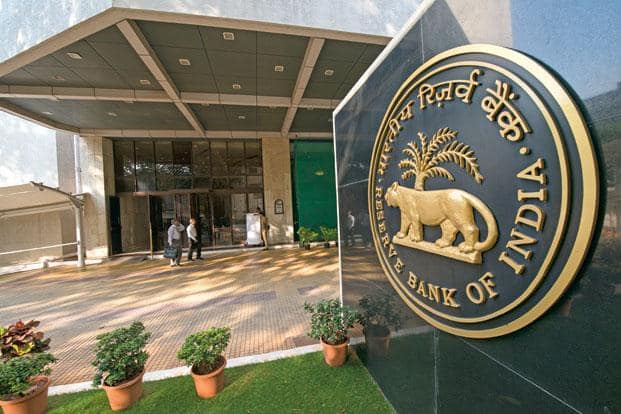
The Reserve Bank of India has unveiled the revised Integrated Ombudsman Scheme, 2026, aimed at improving the efficiency, accessibility, and timeliness of complaint resolution for customers of banks and other regulated entities.
As financial services become more digital and complex, the number and nature of customer grievances have expanded across banks, NBFCs, payment service providers, and credit bureaus.
To ensure trust in the financial system, RBI has progressively streamlined grievance redressal mechanisms, culminating in the Integrated Ombudsman Scheme of 2021. The 2026 revision seeks to further consolidate processes, enhance accountability, and simplify access for consumers.
The Reserve Bank of India will appoint one or more of its officers as:
These officers will carry out the functions entrusted under the Scheme. Appointments will generally be made for a period of three years at a time, ensuring continuity while allowing periodic institutional refresh.
The RBI will also establish a Centralised Receipt and Processing Centre (CRPC) at one or more locations to receive and process complaints filed under the Scheme.
The entities covered under the new scheme include:
Additionally, the scheme includes:
Excluded entities: Housing finance companies and core investment companies are excluded from the scheme.
Customers can file complaints related to:
The scheme does not entertain complaints involving:
A key precondition is that the customer must first approach the concerned entity. The ombudsman can be approached only if:
There is no limit on the value of the dispute that can be brought before the ombudsman.
However, the RBI Ombudsman can award:
Complaints can be filed through:
The RBI Ombudsman (or Deputy Ombudsman) acts in a quasi-judicial role.
If a customer is dissatisfied:
Regulated entities may also appeal, but:
The appellate authority may:
FAQs1. When will the Integrated Ombudsman Scheme, 2026 come into force ? It will come into effect on July 1, 2026, replacing the 2021 scheme. 2. Which institutions are covered under the new scheme ? Banks, eligible NBFCs, prepaid payment issuers, and credit information companies are covered. 3. Is there any limit on the value of disputes that can be filed ? No, there is no limit on the dispute value, though compensation awards are capped. 4. What compensation can the RBI Ombudsman award ? Up to ₹30 lakh for financial loss and up to ₹3 lakh for non-financial losses. 5. Can customers appeal against the Ombudsman’s decision ? Yes, customers can appeal to the RBI’s Executive Director within 30 days. |



Our support team will be happy to assist you!

 Contact Us
  New Batch : 9555124124/ 7428085757
  Tech Support : 9555124124/ 7428085757