
- UPSC Exam
- State PCS
- One Day Exam
- Current Affairs
- PT Quiz
- Downlaods
- About Coaching
- Blog
- Videos

| Prelims: (Science & Technology + CA) Mains: (GS 2 – Health Policy; GS 3 – Industrial Policy, Make in India, Regulatory Governance) |
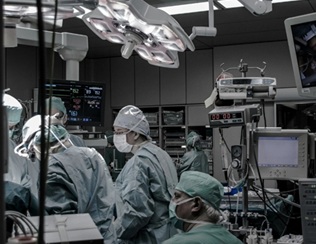
The Department of Pharmaceuticals recently informed the Rajya Sabha that the Ministry of Health and Family Welfare (MoHFW) has constituted a committee to draft a policy framework for regulating refurbished medical devices in India.
The proposed policy will:
The debate now centres not on whether refurbished devices should be allowed, but on how to regulate them effectively while balancing affordability and domestic manufacturing interests.
India’s healthcare sector is expanding rapidly, yet access to advanced diagnostic equipment remains uneven across regions.
High-end medical devices such as:
are capital-intensive and often unaffordable for smaller hospitals.
Refurbished devices — previously used equipment restored to original operating standards — have emerged as a cost-effective alternative.
However, regulatory ambiguity and policy contradictions have created uncertainty regarding their import, licensing, and safety oversight.
Refurbished medical devices are:
Cost Advantage
Refurbished devices offer substantial savings:
These price differences significantly improve access in Tier-2 and Tier-3 cities.
India remains dependent on imports for advanced imaging systems due to:
Refurbished equipment is typically sourced from:
where hospitals upgrade systems before the end of their functional life.
India does not have a separate regulatory framework for refurbished devices under the Medical Devices Rules, 2017.
All medical devices were notified as “drugs” under the Drugs and Cosmetics Act in 2020, but refurbished products lack a dedicated licensing mechanism.
Currently, imports are regulated under the Hazardous and Other Wastes (Management and Transboundary Movement) Rules, 2016.
Import approvals require:
This created regulatory contradiction between environmental and medical regulators.
The Medical Technology Association of India argues:
The Association of Indian Medical Device Industry contends:
Industry estimates suggest the refurbished segment is worth around ₹1,500 crore — nearly 10% of India’s medical equipment market.
Refurbished devices reduce capital costs, enabling advanced diagnostics in smaller cities.
A dedicated framework can:
Clear definitions distinguishing “used,” “refurbished,” “reconditioned,” and “remanufactured” devices will reduce compliance ambiguity.
Regulation must reconcile:
Guidelines on disposal and end-of-life management prevent India from becoming a dumping ground for obsolete equipment.
The committee’s recommendations will shape the future trajectory of India’s medical device ecosystem.
FAQs1. What are refurbished medical devices ? Previously used medical equipment restored to original operating standards and resold at lower prices. 2. Why are they controversial in India ? Due to regulatory ambiguity, safety concerns, and potential impact on domestic manufacturing. 3. Which rules currently govern their import ? Primarily the Hazardous and Other Wastes (Management and Transboundary Movement) Rules, 2016. 4. What is the core policy debate ? How to regulate refurbished devices effectively while balancing affordability and industrial growth. 5. Why is a new regulatory framework important ? It will ensure patient safety, reduce compliance confusion, support healthcare access, and align with industrial policy goals. |



Our support team will be happy to assist you!

 Contact Us
  New Batch : 9555124124/ 7428085757
  Tech Support : 9555124124/ 7428085757