Context
The Central Government has released the revised draft of the Pesticide Management Bill, 2025, seeking suggestions from citizens and stakeholders, with the aim of reforming India's pesticide regulatory system.
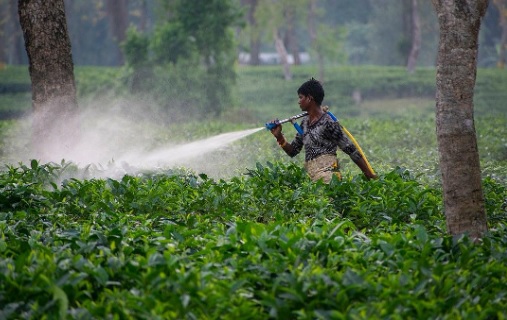
Background: Pesticide Regulation in India
- Pesticides in India are currently regulated under the Insecticides Act, 1968, and its associated rules, which were enacted nearly fifty years ago.
- This law was enacted to meet the needs of a time when there was heavy reliance on chemical pesticides to increase agricultural production and limited awareness of their adverse effects on the environment and human health.
Problems with the Insecticides Act, 1968
- Increasing proliferation of counterfeit and substandard pesticides
- Adverse effects on human health, including toxicity and exposure-related illnesses, especially among farmers
- Environmental damage and pollution of soil and water sources
- Weak enforcement mechanisms and outdated regulatory measures
- In light of these challenges, various governments have attempted to introduce new and comprehensive legislation to replace the Insecticides Act, 1968. Draft bills were introduced in 2008, 2018, and 2020, but they failed to become law.
About the Pesticides Management Bill, 2025
- The Pesticides Management Bill, 2025 is the latest effort to modernize and streamline India's pesticide administration system.
- The bill aims to systematically regulate the manufacture, import, export, storage, sale, distribution, and use of pesticides in the country.
Key objectives of the Bill
- To reduce risks to humans, animals, and the environment
- To ensure the safe and effective use of pesticides
- To promote transparency, traceability, and accountability
- To provide better services to farmers and improve ease of living
- This Bill proposes to repeal the Insecticides Act, 1968, thereby establishing a new and modern legislative framework for pesticide regulation.
Institutional Arrangements under the Bill
Registration Committee
- The Bill provides for the establishment of a Registration Committee by the Central Government, consisting of representatives from the following institutions:
- Indian Council of Agricultural Research (ICAR)
- Drugs Controller General of India
- Ministry of Environment, Forest and Climate Change
- Department of Chemicals and Petrochemicals
- Any national-level toxicology research institute
Key Functions of the Committee
- Registering pesticides
- Reviewing safety-related issues
- Investigating temporary bans imposed by states
Central Insecticides Board
- The Bill also provides for the establishment of a Central Insecticides Board, which will have the following responsibilities:
- Recommending pesticides to be covered under the Bill
- Setting Good Manufacturing Practice (GMP) standards
- Establishing guidelines for pesticide recalls
- Developing Standard Operating Procedures (SOPs) for toxicity cases
- Reviewing pesticides and their packaging Providing guidance for safe disposal
Role of State Governments
- The proposed bill grants limited regulatory powers to state governments, allowing them to:
- Temporarily ban the sale, distribution, or use of a pesticide or a specific batch.
- This ban can be for a maximum period of one year.
- However, any such order will be reviewed by a registration committee, and states will not have the authority to impose permanent bans or take independent punitive action. However, experts and civil society organizations have raised objections to this limited role.
Key Weaknesses and Concerns About the 2025 Draft
- Although called a revised draft, the 2025 draft offers relatively few concrete improvements compared to the 2020 draft. Key concerns include:
- Weak legislative wording: The bill only talks about “attempting to reduce risk,” not ensuring it.
- Lack of criminal liability: There is no clear criminal responsibility for manufacturers and distributors in cases of misuse, poisoning, or environmental damage.
- Limited state powers: State governments are unable to permanently ban hazardous pesticides.
- No price control: There is no provision to address high pesticide prices and farmers' affordability.
- Weak grievance redressal mechanism: There is a lack of a clear system for compensation and liability for affected farmers.
- Experts believe that without strong enforcement and clear accountability, the bill will not ensure effective regulation.
Way Forward
- The government has invited public comments and stakeholder feedback on the bill until February 2, 2026. This consultation process is considered crucial given the bill's long legislative history and the persistent concerns raised by farmers, public health experts, and environmental organizations.
- Furthermore, the Bill is consistent with broader policy objectives, including:
- Promoting organic and traditional pest control methods
- Reducing dependence on hazardous chemical pesticides
- Strengthening farmer confidence through regulatory transparency






 Contact Us
  New Batch : 9555124124/ 7428085757
  Tech Support : 9555124124/ 7428085757