
- UPSC Exam
- State PCS
- One Day Exam
- Current Affairs
- PT Quiz
- Downlaods
- About Coaching
- Blog
- Videos

| Prelims: (Environment + CA) Mains: (GS 3 – Environment, Biodiversity Conservation, Wildlife Management) |
In a significant boost to tiger conservation in western Maharashtra, a third tigress was recently released into the wild at the Sahyadri Tiger Reserve (STR) as part of ongoing rewilding and population restoration efforts.
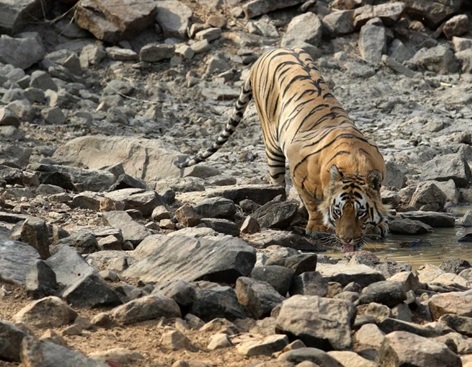
India’s tiger conservation strategy has traditionally focused on central and eastern forest landscapes, where contiguous habitats and established tiger populations exist. However, the Western Ghats, despite being a global biodiversity hotspot, witnessed a decline in tiger numbers due to habitat fragmentation, human pressure, and loss of prey base.
The Sahyadri landscape once supported a thriving tiger population but experienced local extinction in the early 21st century. Recognising the ecological importance of restoring apex predators, Maharashtra initiated a reintroduction and habitat recovery programme at STR, supported by scientific monitoring, prey augmentation, and community engagement.
The recent release of a third tigress reflects the gradual revival of this critical tiger landscape.
Sahyadri Tiger Reserve is located in the Sahyadri ranges of the Western Ghats in Maharashtra and represents a unique protected area configuration.
Geographic and Administrative Features
This reservoir-dominated landscape creates a mosaic of forested plateaus, valleys, and aquatic ecosystems.
Vegetation
The reserve hosts a diverse range of forest types, including:
It is one of the few landscapes where climax and near-climax vegetation are well preserved, and future anthropogenic pressure is minimal.
Flora
Dense forest cover includes species such as:
Medicinal plants like Asparagus racemosus and Aegle marmelos grow abundantly. The reserve also harbours unique Western Ghats endemics, including rare orchids and shrubs thriving in its humid microclimates.
Fauna
STR supports a rich assemblage of wildlife, including:
Restoration of Apex Predators
The reintroduction of tigers helps restore ecological balance by regulating herbivore populations and strengthening trophic cascades, enhancing overall forest health.
Strengthening the Western Ghats Tiger Corridor
STR plays a crucial role in reconnecting fragmented tiger habitats across the Western Ghats, contributing to long-term genetic viability and landscape-level conservation.
Biodiversity Conservation in a Global Hotspot
As part of a UNESCO-recognised biodiversity hotspot, STR safeguards rare endemic species, unique vegetation types, and critical ecosystem services.
Community and Eco-Tourism Potential
A revived tiger population enhances eco-tourism prospects, creating sustainable livelihood opportunities for local communities while promoting conservation awareness.
Despite progress, several challenges persist:
Going forward, conservation success will depend on:
FAQs1. Where is Sahyadri Tiger Reserve located? It is located in the Sahyadri ranges of the Western Ghats in Maharashtra. 2. Which protected areas form the Sahyadri Tiger Reserve? Koyana Wildlife Sanctuary and Chandoli National Park. 3. Why is the release of tigresses in STR important? It aims to restore tiger populations in a landscape where they had become locally extinct, strengthening ecosystem balance. 4. What types of vegetation are found in STR? Moist evergreen, semi-evergreen, moist deciduous, and dry deciduous forests. 5. What major wildlife species are found in STR? Tigers, leopards, wild dogs, gaur, sambar, four-horned antelope, mouse deer, giant squirrel, and endemic birds. |



Our support team will be happy to assist you!

 Contact Us
  New Batch : 9555124124/ 7428085757
  Tech Support : 9555124124/ 7428085757