
- UPSC Exam
- State PCS
- One Day Exam
- Current Affairs
- PT Quiz
- Downlaods
- About Coaching
- Blog
- Videos

| Prelims: (Labour Laws + CA) Mains: (GS-2 – Governance) |
A Private Member’s Bill titled the Right to Disconnect Bill, 2025 has been introduced in the Lok Sabha to legally protect employees from work-related calls, messages, or emails outside designated office hours.
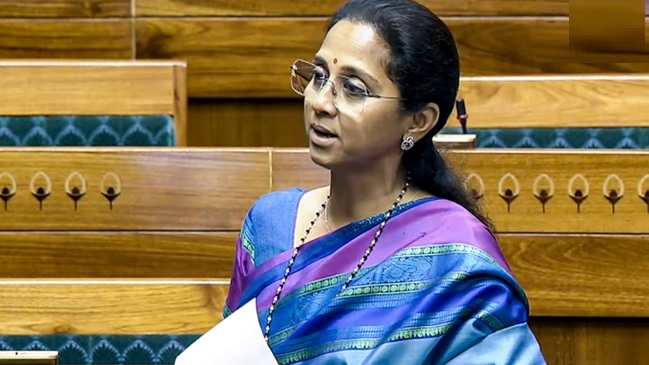
The Bill, introduced by MP Supriya Sule, seeks to formally recognise an employee's right to disengage from official communication once working hours end. It aims to restore work–life balance in the increasingly digital and ‘always-on’ work environment created by remote and hybrid work.
The legislation highlights a growing global concern: employees being expected to respond instantly, even during personal time, weekends, and holidays.
1. Protection from After-Hours Communication
2. Creation of an Employees’ Welfare Authority
3. Mandatory Negotiation for Larger Workplaces
4. Overtime Compensation
5. Workplace Policies
Recent surveys cited in parliamentary discussions show:
The Bill aims to prevent burnout, improve mental health, and promote healthy workplace culture.
Countries like France, Italy, Ireland, Portugal, and Spain have already enacted right-to-disconnect laws. India’s Bill reflects evolving conversations about digital rights, privacy, and humane work environments.
(Note: Private member bills rarely become law, but are important for public and parliamentary debate.)
FAQs1. What is the Right to Disconnect ? It is the legal right of an employee to not respond to calls, texts, or emails after official working hours. 2. Does the Bill apply to all employees ? Yes, but companies with 10+ employees must formally negotiate after-hours norms. 3. Is this Bill likely to become law ? Most Private Member’s Bills are not passed, but they strongly influence policy discussions. 4. Why is such a law needed today ? Digital tools and hybrid work models have erased boundaries between work and personal life, leading to stress and burnout. 5. What happens if employees work after hours ? They must be paid overtime wages, and such work must be mutually agreed upon. |



Our support team will be happy to assist you!

 Contact Us
  New Batch : 9555124124/ 7428085757
  Tech Support : 9555124124/ 7428085757