Prelims: (Polity & Governance + CA)
Mains: (GS 2 – Governance & Regulatory Institutions; GS 3 – Infrastructure, Energy Security, Disaster Management) |
Why in the News ?
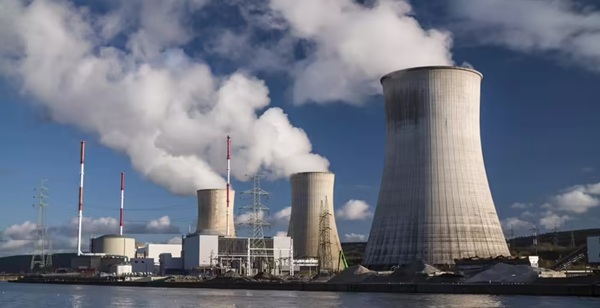
Parliament has passed the SHANTI Act, introducing sweeping reforms to India’s nuclear power framework by opening the sector to private participation and significantly modifying the country’s nuclear liability regime.
Background and Context
India’s civil nuclear programme has long been dominated by state control under the Atomic Energy framework. However, nuclear energy contributes only about 3% of India’s electricity generation, despite ambitious expansion targets:
- Target of 10 GW by 2000 → Achieved: 2.86 GW
- Target of 20 GW by 2020 → Achieved: 6.78 GW
Key constraints included:
- High capital costs
- Public safety concerns
- Complex liability provisions
- Limited foreign supplier participation
Globally, nuclear accidents such as Three Mile Island accident, Chernobyl disaster, and Fukushima Daiichi nuclear disaster exposed design flaws, emergency failures, and supplier vulnerabilities. These events shaped international nuclear liability norms.
India’s earlier framework was seen as uniquely stringent compared to global conventions, affecting foreign investment inflows. The SHANTI Act seeks to realign India’s system with international practices.
Background of Nuclear Liability in India
India’s liability regime was governed by the Civil Liability for Nuclear Damage Act (CLNDA).
Key Features of CLNDA
- Enacted after India signed the Convention on Supplementary Compensation (CSC).
- Ensured prompt compensation to victims of nuclear accidents.
- Introduced the unique “right of recourse,” allowing operators to seek compensation from suppliers for defective equipment.
- Section 46 allowed victims to pursue remedies under other laws, including criminal law.
While strengthening accountability, suppliers argued that these provisions exposed them to unlimited liability, discouraging participation in India’s nuclear market.
Key Features of the SHANTI Act
1. Opening the Sector to Private Entities
The Act allows private companies to operate nuclear power plants, ending the Union government’s exclusive control. This marks a major structural shift in India’s atomic governance model.
2. Supplier Indemnity & Removal of Right of Recourse
- Liability is channelled exclusively to the operator.
- The operator’s right of recourse against suppliers is removed.
- Suppliers cannot be sued for defects, even if contributing to an accident.
This aligns India’s framework with international liability conventions.
3. Liability Caps and Amendments
- Operator liability capped between ₹100 crore (small plants) and ₹3,000 crore (large plants).
- Total accident liability capped at 300 million Special Drawing Rights (≈ ₹3,900 crore) including Centre’s contribution.
- Omission of Section 46, limiting victims’ ability to seek remedies under other laws.
4. Regulatory Structure
The Act provides legislative backing for the Atomic Energy Regulatory Board (AERB).
However:
- Members are selected by a committee constituted by the Atomic Energy Commission.
- Concerns remain about regulatory independence.
Liability Caps vs Potential Damages
Historical disasters illustrate the scale of nuclear risk:
- Estimated cost of Fukushima: ≈ ₹46 lakh crore
- Estimated Belarus losses from Chernobyl: ≈ ₹21 lakh crore
In contrast:
- India’s total liability cap: ≈ ₹3,900 crore
This gap raises concerns that statutory compensation may cover only a fraction of potential damages in a major disaster.
Safety and Moral Hazard Concerns
- The Act indemnifies operators for accidents caused by “grave natural disasters.”
- This departs from India’s earlier absolute liability principle for hazardous industries.
Critics argue:
- Liability caps may create moral hazard, reducing incentives for maximum safety investment.
- Natural disasters like tsunamis (as seen in Fukushima) cannot be treated as unforeseeable in nuclear design planning.
Economic and Strategic Implications
1. Boost to Investment
The Act may:
- Attract private and foreign capital
- Facilitate technology transfer
- Accelerate plans for 100 GW nuclear capacity by 2047
2. High Capital Costs
Example:
- Two Westinghouse AP1000 reactors in the U.S. cost ~$18 billion each.
Small Modular Reactors (SMRs), though promising, remain largely untested and may involve higher per-unit costs.
3. Energy Security
Nuclear energy offers:
- Low carbon emissions
- Stable baseload power
- Diversification from fossil fuels
However, financial viability and public trust remain crucial.
Significance of the SHANTI Act
- Structural Reform: Ends exclusive state control in nuclear operations.
- Global Alignment: Harmonises India’s liability framework with international norms.
- Investment Facilitation: Reduces legal uncertainties for suppliers.
- Energy Transition Support: Supports long-term clean energy goals.
- Governance Debate: Raises questions on accountability and regulatory independence.
Challenges and Way Forward
Challenges
- Ensuring independent nuclear regulation
- Addressing compensation adequacy concerns
- Managing public perception and trust
- Balancing investment with safety
Way Forward
- Strengthen AERB’s statutory independence
- Periodically revise liability caps for inflation and risk assessment
- Enhance disaster preparedness frameworks
- Ensure transparency in reactor design and safety audits
- Promote diversified clean energy alongside nuclear expansion
FAQs
1. What is the SHANTI Act ?
It is a new law reforming India’s nuclear sector by allowing private participation and altering nuclear liability provisions.
2. How does it differ from the CLNDA, 2010 ?
It removes the operator’s right of recourse against suppliers and omits Section 46, thereby limiting supplier liability and victim remedies.
3. What is the total liability cap under the Act ?
The total cap is 300 million Special Drawing Rights (approximately ₹3,900 crore).
4. Why was supplier indemnity introduced ?
To align India with international nuclear liability norms and encourage foreign supplier participation.
5. What are the major concerns ?
Low liability caps compared to potential damages, moral hazard risks, and limited regulatory independence.
|






 Contact Us
  New Batch : 9555124124/ 7428085757
  Tech Support : 9555124124/ 7428085757