Prelims: (Environment + CA)
Mains: (GS 3 – Environment, Conservation, Biodiversity & Climate Change) |
Why in News ?
The latest crocodile census has recorded an increase in the crocodile population in Similipal National Park in Odisha, reflecting improving aquatic ecosystem health and conservation outcomes.
Background: Similipal’s Role in India’s Conservation Landscape
- Similipal has long been one of eastern India’s most ecologically significant protected areas, known for its rich biodiversity, tribal heritage, and varied forest ecosystems.
- Over the years, the park has evolved into a multi-layered conservation landscape, encompassing tiger protection, elephant corridors, watershed conservation, and biodiversity preservation.
- The rise in crocodile numbers signals not only species-specific success but also the broader ecological stability of Similipal’s riverine and wetland habitats.
What is Similipal National Park ?
- Similipal National Park is a major protected area located in the Mayurbhanj district of Odisha.
- It derives its name from the Simul (silk cotton) tree, which grows abundantly in the region.
- Beyond being a National Park, Similipal holds multiple conservation designations:
- Tiger Reserve
- Wildlife Sanctuary
- Biosphere Reserve
- Part of the Mayurbhanj Elephant Reserve
Situated in the Deccan Peninsular Bio-geographic Zone, it harbours a unique blend of biodiversity from the Western Ghats, Eastern Ghats, and eastern Himalayan regions, making it one of India’s most ecologically diverse landscapes.
Key Geographical and Physical Features
Similipal is characterised by a dramatic and diverse terrain:
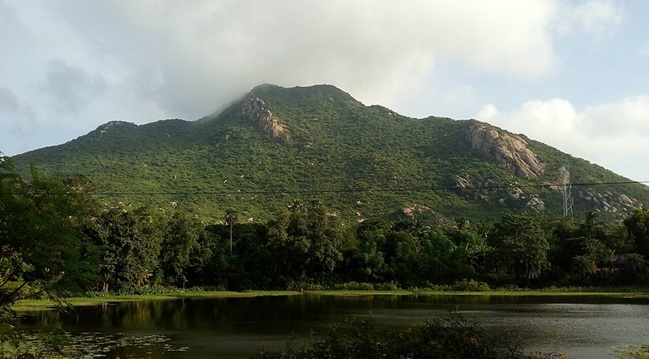
- Surrounded by high plateaus and forested hills
- The highest peaks are the twin summits of Khairiburu and Meghashini
- Famous waterfalls include Joranda and Barehipani, among the highest in Odisha
These features support diverse habitats, ranging from dense forests to riverine ecosystems and grasslands.
Vegetation and Forest Types
The park’s vegetation reflects varied microclimatic conditions:
- Predominantly moist mixed deciduous forests
- Pockets of tropical semi-evergreen forests
- Sporadic patches of dry deciduous forests and grasslands
Flora:
- Sal is the dominant tree species
- Extensive grasslands provide grazing grounds for herbivores
This mosaic of vegetation supports high species richness and ecological resilience.
Faunal Diversity and Conservation Significance
Similipal is renowned for its diverse and unique wildlife:
- It is known for the tiger, elephant, and hill mynah
- It holds the highest tiger population in Odisha
- It is the only tiger reserve in India known to harbour melanistic (black) tigers
Other major mammals include:
- Leopard, sambar, barking deer, gaur
- Jungle cat, wild boar, four-horned antelope
- Giant squirrel and common langur
The recent increase in crocodile population further strengthens Similipal’s status as a robust and well-functioning ecosystem.
Significance and Way Forward
- The rise in crocodile numbers reflects effective protection of river systems, improved habitat quality, and stronger enforcement against poaching and habitat degradation.
- It also highlights the importance of integrated conservation strategies that address forests, wildlife, water bodies, and local communities simultaneously.
- Going forward, sustained monitoring, community engagement, eco-sensitive tourism, and climate-resilient habitat management will be essential to preserve Similipal’s ecological integrity.
FAQs
1. Where is Similipal National Park located ?
In the Mayurbhanj district of Odisha.
2. Why is Similipal ecologically significant ?
It hosts a unique blend of biodiversity from multiple bio-geographic regions and holds several conservation designations.
3. What is unique about Similipal’s tiger population ?
It is the only tiger reserve in India known for melanistic (black) tigers.
4. What forest types are found in Similipal ?
Moist mixed deciduous, tropical semi-evergreen, dry deciduous forests, and grasslands.
5. Why is the increase in crocodile population important ?
It indicates healthy riverine ecosystems and successful wildlife conservation efforts.
|






 Contact Us
  New Batch : 9555124124/ 7428085757
  Tech Support : 9555124124/ 7428085757