Mains: GS Paper III: Science & Technology – Biotechnology, Genetic Disorders, Advances in Medical Science and Rare Disease Therapies
Keywords: Alexander Disease | Leukodystrophy | GFAP Gene | Glial Fibrillary Acidic Protein | Myelin Sheath | White Matter | Rosenthal Fibers | Astrocytes | Zanvastro | Zilganersen | Rare Genetic Disease | Precision Medicine |
Why in News
- Recently, the U.S. Food and Drug Administration (FDA) approved Zanvastro (zilganersen) for the treatment of Alexander disease, making it the first approved disease-modifying treatment for this rare genetic neurological disorder in adults and children.
- Ionis Pharmaceuticals has announced that the newly approved injectable therapy will be priced at approximately $285,000 per dose.
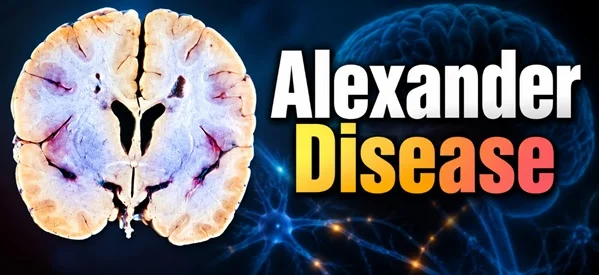
About Alexander Disease
- Alexander disease is a rare genetic neurological disorder that progressively damages the nervous system.
- It belongs to a group of disorders known as leukodystrophies, which primarily affect the white matter of the brain.
- The disease causes progressive deterioration of myelin, the protective covering surrounding nerve fibres.
- It is also characterised by the accumulation of abnormal protein structures called Rosenthal fibers in the brain.
- Progressive damage to white matter interferes with communication between nerve cells and affects normal functioning of the nervous system.
What are Leukodystrophies?
- Leukodystrophies are a group of rare genetic disorders affecting the white matter of the brain and spinal cord.
- They primarily damage the myelin sheath surrounding nerve fibres.
- Myelin acts as an insulating layer and enables the rapid transmission of electrical signals between nerve cells.
- Damage to myelin can therefore affect movement, coordination, cognition, speech and other neurological functions.
Cause of Alexander Disease
Alexander disease is primarily associated with mutations in the GFAP gene.
GFAP Gene
- GFAP stands for Glial Fibrillary Acidic Protein.
- The GFAP gene provides instructions for producing the GFAP protein.
- At normal levels, this protein helps support cells involved in maintaining the brain's white matter.
- Mutations in the GFAP gene cause abnormal accumulation of GFAP protein.
- Excess protein damages brain cells and contributes to deterioration of the myelin sheath.
Pattern of Mutation
In most patients, the GFAP mutation occurs spontaneously, meaning it is a new genetic mutation and is not inherited from either parent. However, in some cases, Alexander disease can be inherited from an affected parent.
What are Rosenthal Fibers?
- Rosenthal fibers are abnormal protein deposits found within certain supporting cells of the nervous system called astrocytes.
- They contain accumulated GFAP and other proteins.
- Their presence is a characteristic pathological feature of Alexander disease.
- Their accumulation is associated with dysfunction of astrocytes and progressive damage to brain white matter.
Treatment of Alexander Disease
Historically, treatment for Alexander disease was largely supportive and symptomatic, as there was no therapy capable of directly addressing the underlying disease mechanism. This changed with the approval of Zanvastro (zilganersen) by the U.S. FDA.
Zanvastro (zilganersen)
- It is the first disease-modifying therapy approved for Alexander disease.
- It is an injectable treatment.
- It targets the underlying abnormal protein accumulation associated with the disease.
- The objective is to reduce the disease-driving effects of excessive GFAP rather than merely managing symptoms.
- Its approval represents an important development in the treatment of rare genetic neurological disorders.
Why is the New Therapy Significant?
- First Approved Treatment: It provides the first specifically approved disease-modifying therapeutic option for Alexander disease.
- Targets Disease Mechanism: Instead of treating only symptoms, the therapy addresses the underlying biological process associated with abnormal GFAP accumulation.
- Rare Disease Research: The development demonstrates the growing potential of targeted therapies for extremely rare genetic disorders.
- Precision Medicine: It highlights the shift towards treatments designed around specific genes, proteins and molecular mechanisms responsible for disease.
Challenges
- Alexander disease remains an extremely rare disorder, making large-scale clinical research difficult.
- Genetic and neurological disorders can show significant differences in severity among patients.
- Advanced therapies for rare diseases can be extremely expensive.
- Access and affordability may therefore remain major concerns.
- Long-term monitoring will be important to assess the effectiveness and safety of newly developed therapies.
Way Forward
- Promote research into rare genetic diseases and leukodystrophies.
- Expand access to genetic testing and early diagnosis.
- Encourage development of gene- and protein-targeted therapies.
- Develop mechanisms to improve affordability of orphan drugs and rare-disease treatments.
- Strengthen international collaboration for clinical research involving small patient populations.
Prelims MCQ
|
Q. With reference to Alexander disease, consider the following statements:
- It is a rare genetic disorder affecting the nervous system.
- It is associated with mutations in the GFAP gene.
- Rosenthal fibers are characteristically associated with the disease.
- It primarily affects the white matter of the brain.
Which of the statements given above are correct?
(a) 1 and 2 only
(b) 1, 2 and 3 only
(c) 2, 3 and 4 only
(d) 1, 2, 3 and 4
Mains Question
Q. What are leukodystrophies? Discuss the genetic basis and neurological effects of Alexander disease. How can targeted therapies transform the treatment of rare genetic disorders?
|
Frequently Asked Questions (FAQs)
What is Alexander disease?
Alexander disease is a rare genetic neurological disorder that damages the white matter of the brain and causes progressive deterioration of the nervous system.
Which gene causes Alexander disease?
Most cases are associated with mutations in the GFAP (Glial Fibrillary Acidic Protein) gene.
What are Rosenthal fibers?
Rosenthal fibers are abnormal protein accumulations found primarily within astrocytes and are a characteristic pathological feature of Alexander disease.
Is Alexander disease inherited?
Most cases result from a new or spontaneous mutation, although some cases can be inherited from an affected parent.
Is there a cure for Alexander disease?
There is currently no complete cure, but the approval of Zanvastro (zilganersen) represents the first disease-modifying treatment targeting the underlying mechanism of the disorder.
|







 Contact Us
  New Batch : 9555124124/ 7428085757
  Tech Support : 9555124124/ 7428085757