Why in News ?
Recently, the Government of Kerala officially declared Bacillus subtilis as its “State Microbe.” The objective is to promote biodiversity conservation, biotechnology research, and awareness of microbiology among students.
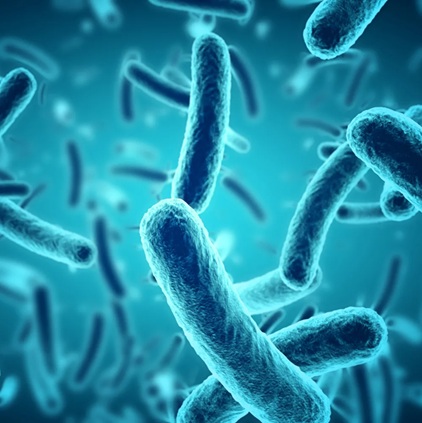
What is Bacillus subtilis ?
Bacillus subtilis is a probiotic bacterium, commonly known as a “good bacterium.” It is naturally found in:
- The human gut
- Fermented foods
- Soil and plant surfaces
It is one of the most widely studied microorganisms in biology and biotechnology.
Major Characteristics of Bacillus subtilis
1. Structural Features
- Spore-forming bacterium
- Rod-shaped
- Gram-positive
- Motile
- Facultative aerobe (can survive with or without oxygen)
2. Habitat
- Mainly found in soil and vegetation
- Optimal growth temperature: 25–35°C
3. Biological Capacity
- Produces various antibiotics
- Genome contains five signal peptidase genes that help in antibiotic secretion
- Secretes:
- Polymyxin
- Difficidin
- Subtilin
- Mycobacillin
4. Endospore Ability
Endospores can survive extreme conditions:
- UV radiation
- High temperature
- Dry environment
Can remain dormant for long periods
Transmission and Pathogenicity
- Generally non-pathogenic
- However:
- Can contaminate food
- Acts as an opportunistic pathogen in people with weak immunity
Applications of Bacillus subtilis
Agriculture
- Used as a natural bio-fungicide
- Competes with plant pathogens in root zones
- Some strains produce toxins against insects
- Supports organic farming
Scientific Research
- Model organism for studying endospore formation
- Used to test effectiveness of sterilants and sporicides
- Helpful in gene expression and antibiotic research
Health and Industry
- Used in probiotic supplements
- Improves gut health
- Used in enzyme and pharmaceutical production
Importance of Declaring it as State Microbe
- Promotes scientific awareness
- Encourages microbiology research
- Supports organic agriculture and environmental protection
- Develops innovation and scientific thinking among students
What are Microorganisms ?
Microorganisms are extremely small living organisms that cannot be seen with the naked eye and can only be observed using a microscope. They are found in water, air, soil, food, and inside the human body. Some microorganisms are beneficial, while others cause diseases.
Major Types of Microorganisms
1. Bacteria
- Unicellular organisms
- Found in soil, water, food, and the human body
- Some are beneficial (curd making), some are harmful (TB, typhoid)
Examples: Bacillus subtilis, E. coli
2. Viruses
- Inactive outside living cells
- Active only inside host cells
- Cause many infectious diseases
Examples: Coronavirus, Influenza virus
3. Fungi
- Include yeast and molds
- Can spoil food but are also useful
Examples: Yeast (bread making), Penicillium (penicillin medicine)
4. Protozoa
- Unicellular eukaryotic organisms
- Found in water
Examples: Amoeba, Plasmodium (malaria)
5. Algae
- Perform photosynthesis
- Mostly aquatic
Examples: Spirulina, Chlorella
Benefits of Microorganisms
- Used in making curd, bread, vinegar, alcohol
- Nitrogen fixation improves soil fertility
- Production of medicines and antibiotics
- Decomposition of waste
- Used as bio-fertilizers and bio-pesticides
Harmful Effects of Microorganisms
- Cause diseases – TB, cholera, malaria
- Spoil food
- Damage crops
- Produce toxins
Uses of Microorganisms
Medical Field
- Production of antibiotics
- Vaccine preparation
- Improve digestion as probiotics
- Production of insulin and hormones
- Disease diagnosis and testing
Agriculture
- Increase soil fertility as bio-fertilizers
- Pest control using bio-pesticides
- Protection from plant diseases
- Nutrient recycling in soil
- Increase crop yield
Research
- DNA and genetic studies
- Testing of new medicines
- Enzyme research
- Biotechnology experiments
- Genetic improvement
Industry
- Production of curd, bread, alcohol, vinegar
- Biofuel production
- Textile and paper industry applications
- Enzyme-based cleaning
- Food preservation
Environmental Protection
- Waste decomposition
- Water purification (sewage treatment)
- Oil spill cleanup
- Pollution control
- Biodiversity conservation







 Contact Us
  New Batch : 9555124124/ 7428085757
  Tech Support : 9555124124/ 7428085757