Prelims: (History + CA)
Mains: (GS 1 – Indian Culture, Temple Architecture, Medieval History) |
Why in News ?
The Bhadrakali inscription, a significant 12th-century epigraphic record, has drawn attention for confirming the historical continuity, reconstruction narrative, and royal patronage associated with the Somnath Temple, particularly under the Solanki dynasty.
What is the Bhadrakali Inscription ?
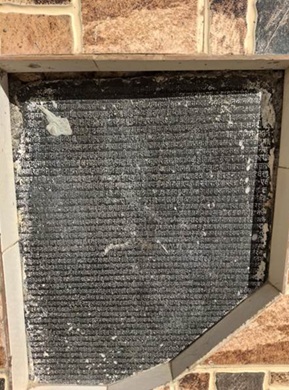
The Bhadrakali inscription is a eulogistic Sanskrit inscription dating back to 1169 CE, offering valuable insights into medieval religious, political, and cultural history.
- It is engraved on the wall of the Bhadrakali Temple at Prabhas Patan, Gujarat.
- The inscription serves as an important source for understanding the religious patronage and temple-building traditions of the Solanki period.
- It reinforces the historical centrality of Somnath as a major Shaivite centre.
Historical Context and Authorship
- The inscription eulogises Param Pashupata Acharya Shriman Bhavabrihaspati, a revered Shaivite scholar.
- Bhavabrihaspati served as the spiritual preceptor of Maharajadhiraj Kumarapala, the powerful Solanki ruler of Anhilwad Patan.
- The reference highlights the close link between royal authority and religious institutions in medieval western India.
Information Contained in the Bhadrakali Inscription
- The inscription mentions the construction and restoration of the Somnath Temple across all four yugas, emphasising its eternal and sacred character.
- It reflects the deep devotional ethos of Solanki rulers toward Shaivism.
- The text underlines the role of learned acharyas in shaping temple culture and legitimising royal patronage.
- It contributes to the broader historical narrative of Somnath’s resilience and repeated revival.
Significance for Somnath Temple History
- Acts as a primary epigraphic source validating medieval accounts of Somnath’s reconstruction.
- Demonstrates the cultural and religious continuity of the site despite political upheavals.
- Highlights the Solanki dynasty’s contribution to temple patronage, art, and religious scholarship.
- Strengthens the historiography of temple architecture and Shaivite traditions in western India.
Protection and Conservation
- The Bhadrakali inscription is currently protected by the State Department of Archaeology, Gujarat.
- Conservation ensures the preservation of this crucial epigraphic evidence for future historical and archaeological research.
FAQs
1. What is the Bhadrakali inscription ?
It is a 12th-century Sanskrit inscription carved in 1169 CE that provides historical information about Somnath Temple and Solanki patronage.
2. Where is the Bhadrakali inscription located ?
On the wall of the Bhadrakali Temple at Prabhas Patan, Gujarat.
3. Who is mentioned in the inscription ?
Param Pashupata Acharya Shriman Bhavabrihaspati, the spiritual preceptor of Solanki ruler Kumarapala.
4. Why is the inscription important for Somnath Temple history ?
It confirms the temple’s reconstruction narrative, religious continuity, and royal support during the Solanki period.
5. Which authority protects the Bhadrakali inscription ?
The State Department of Archaeology, Gujarat.
|






 Contact Us
  New Batch : 9555124124/ 7428085757
  Tech Support : 9555124124/ 7428085757