
- UPSC Exam
- State PCS
- One Day Exam
- Current Affairs
- PT Quiz
- Downlaods
- About Coaching
- Blog
- Videos
Environment & Ecology 25-Sep-2026
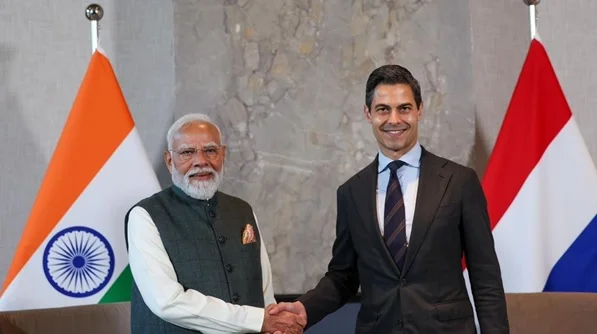
India and the Netherlands signed two tripartite Memoranda of Understanding (MoUs) on 24 September 2026 for technical cooperation and capacity building related to the Kalpasar Project in Gujarat.

Environment & Ecology 22-Sep-2026
Japan was hit by Typhoon Dujuan on September 21–22, 2026, bringing torrential rain, strong winds, flooding and landslides to Tokyo and nearby regions.
Environment & Ecology 22-Sep-2026
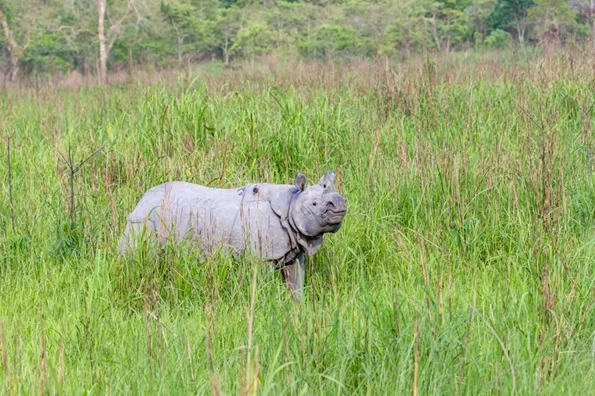
World Rhino Day is celebrated annually on 22 September to raise awareness about the conservation of all five surviving rhinoceros species.
Environment & Ecology 21-Sep-2026
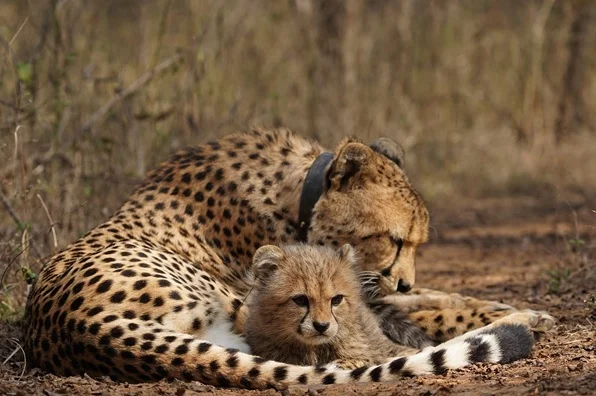
Gandhi Sagar Wildlife Sanctuary in western Madhya Pradesh received its fourth African cheetah on 20 September 2026, strengthening its role as India’s second cheetah reintroduction site.
Environment & Ecology 16-Sep-2026
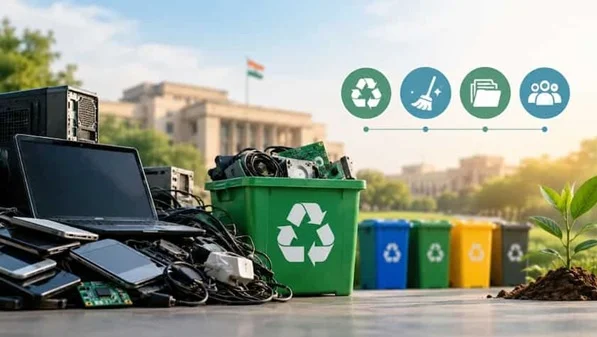
The Ministry of Steel, along with its Public Sector Undertakings (PSUs), will participate in Special Campaign 6.0, which will be implemented from October 2 to October 31, 2026.
Environment & Ecology 16-Sep-2026
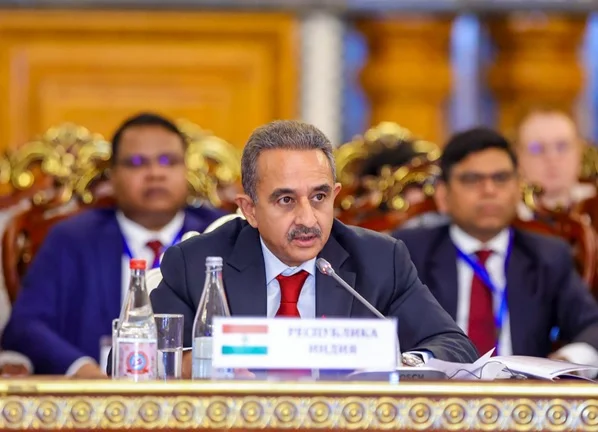
On 16 September 2026, Union Minister of State for Environment, Forest and Climate Change Kirti Vardhan Singh launched India’s Net Zero Portal and the National Action Plan on Climate Change (NAPCC) Dashboard during the World Ozone Day celebrations in Mumbai.

Environment & Ecology 11-Sep-2026
Five baby orangutans were found in a forest in Balasore district of Odisha on 8 September 2026, triggering an investigation into suspected illegal wildlife trafficking.

Environment & Ecology 10-Sep-2026
India observes National Forest Martyrs Day (राष्ट्रीय वन शहीद दिवस) every year on 11 September to honour forest personnel and others who have sacrificed their lives while protecting the country’s forests, wildlife and biodiversity.
Environment & Ecology 09-Sep-2026
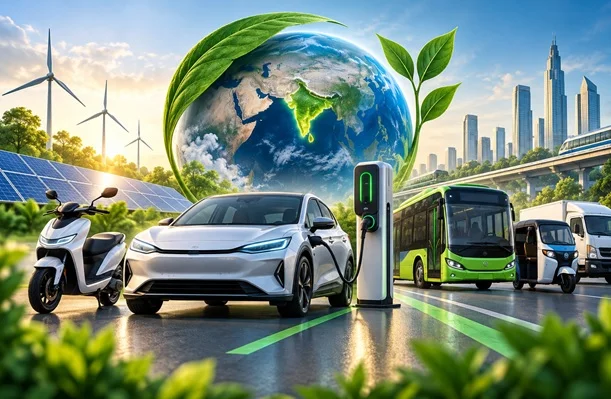
World EV Day is observed every year on 9 September to promote awareness about electric vehicles (EVs), clean mobility and the transition away from fossil-fuel-dependent transport.
Environment & Ecology 08-Sep-2026
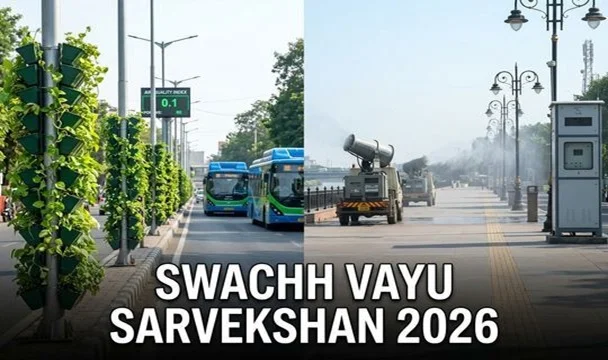
Lucknow has secured the first position among million-plus cities in the Swachh Vayu Sarvekshan 2026.

Our support team will be happy to assist you!

 Contact Us
  New Batch : 9555124124/ 7428085757
  Tech Support : 9555124124/ 7428085757

