Prelims: (Economy + CA)
Mains: (GS 3 – Indian Economy, Government Budgeting, Trade Policy) |
Why in News ?
The Union Budget 2026–27 has proposed a complete exemption from Basic Customs Duty (BCD) on 17 cancer-related drugs and medicines, providing immediate financial relief to patients suffering from cancer and rare diseases and signalling a policy shift towards healthcare affordability.
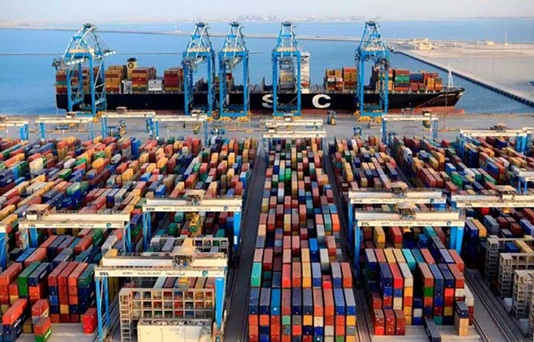
What is Basic Customs Duty (BCD) ?
Basic Customs Duty (BCD) is a tax levied on goods imported into India.
- It is imposed under the Customs Act, 1962.
- Applicable rates are specified in the First Schedule of the Customs Tariff Act, 1975.
- BCD is an ad-valorem duty, i.e., charged as a percentage of the value of imported goods.
Objectives of Basic Customs Duty
The imposition of BCD serves multiple policy goals:
- Protection of domestic industries from cheaper foreign competition.
- Regulation of international trade in line with national priorities.
- Revenue generation for the government.
- Strategic use as a policy tool, allowing exemptions or higher duties to support sectors such as healthcare, manufacturing, or national security.
BCD significantly affects the landed cost of imported goods, influencing prices paid by consumers.
How is Basic Customs Duty Calculated ?
The calculation of BCD involves a structured process:
1. Classification of Goods
- Imported items are classified under specific Harmonised System (HS) codes.
- The HS code determines the applicable duty rate.
2. Assessment of Value
- The value is assessed based on the transaction value, which includes:
- Cost of goods,
- Insurance, and
- Freight (CIF value).
3. Application of Duty Rate
- The applicable BCD rate is applied to the assessed value to calculate the duty payable.
The Central Government has the authority to fully or partially exempt specific goods from BCD through notifications, as done for cancer drugs in the Union Budget 2026–27.
Union Budget 2026–27: Significance of BCD Exemption on Cancer Drugs
- The exemption lowers the import cost of life-saving medicines, directly reducing treatment expenses.
- It reflects a shift from revenue protection to public welfare and health prioritisation.
- Such targeted exemptions are particularly relevant for rare diseases, where domestic manufacturing capacity may be limited.
- The move aligns with India’s broader goal of universal health coverage and affordable access to critical drugs.
Other Types of Customs Duties in India
India’s customs framework includes several other duties, each serving a distinct purpose:
Additional Customs Duty (Countervailing Duty – CVD)
- Imposed to offset subsidies provided by exporting countries.
- Ensures domestic producers are not disadvantaged.
Special Additional Duty (SAD)
- Levied on imports to counterbalance internal taxes like VAT/GST.
- Protects domestic industries from low-cost imports.
Anti-Dumping Duty
- Applied when foreign goods are sold in India below their normal value.
- Prevents predatory pricing and protects local industries.
Protective Duties
- Designed to shield domestic industries from foreign competition by raising import costs.
Safeguard Duties
- Imposed temporarily under Section 8B of the Customs Tariff Act.
- Used to protect domestic industries from sudden import surges.
National Calamity Contingent Duty (NCCD)
- Levied to generate funds for natural disasters and national emergencies.
- Rates vary depending on the commodity.
Broader Policy Implications
- Rationalisation of customs duties can balance Make in India goals with consumer welfare.
- Strategic exemptions highlight the use of taxation as a non-fiscal policy instrument.
- In healthcare, reduced import duties complement domestic pharmaceutical capacity while ensuring affordability.
FAQs
What is Basic Customs Duty (BCD) ?
BCD is a tax levied on imported goods under the Customs Act, 1962, calculated as a percentage of the value of imports.
Why did the Union Budget 2026–27 exempt cancer drugs from BCD ?
To reduce treatment costs and improve access to life-saving medicines for patients with cancer and rare diseases.
Who decides BCD rates in India ?
Rates are prescribed under the Customs Tariff Act, 1975, and can be modified or exempted by the Central Government through notifications.
How is BCD different from anti-dumping duty ?
BCD is a general import tax, while anti-dumping duty targets unfairly low-priced imports that harm domestic industries.
Does BCD affect consumer prices ?
Yes, higher BCD increases the landed cost of imports, often leading to higher prices for consumers, while exemptions reduce prices.
|






 Contact Us
  New Batch : 9555124124/ 7428085757
  Tech Support : 9555124124/ 7428085757