
- UPSC Exam
- State PCS
- One Day Exam
- Current Affairs
- PT Quiz
- Downlaods
- About Coaching
- Blog
- Videos

| Prelims: (International Relations + CA) Mains: (GS 2 – Welfare of Indian Diaspora, International Organisations; GS 3 – Maritime Security, Global Trade) |
The ongoing conflict in West Asia has intensified security risks for merchant vessels operating near critical shipping routes such as the Strait of Hormuz and the Persian Gulf.
Recent attacks on tankers and merchant ships have highlighted the vulnerability of global seafarers, particularly Indian sailors, with reports indicating that at least three Indian seafarers have been killed.
Industry experts are also warning of rising incidents of seafarer abandonment, where shipowners leave crews stranded without wages, food, or means of returning home.
Indians account for about 15% of the global seafarer workforce, yet they represent the largest number of abandoned sailors, with 1,125 cases reported in 2025, nearly 18% of global abandonment incidents.
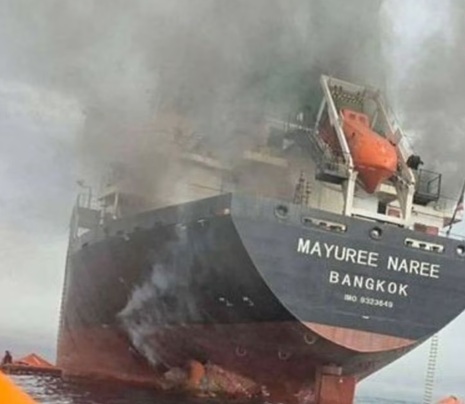
Global maritime trade depends heavily on seafarers who operate commercial vessels transporting goods and energy resources.
Critical maritime chokepoints like the Strait of Hormuz handle a large share of global oil and trade shipments.
However, geopolitical tensions, regional conflicts, and economic instability in West Asia have increased risks for shipping companies and crews.
These disruptions have also contributed to a rise in abandonment incidents, where shipowners cease support for vessels and their crew due to financial or legal pressures.
Seafarer abandonment occurs when shipowners stop fulfilling their responsibilities toward crew members, leaving them stranded on vessels without:
The Maritime Labour Convention defines abandonment as the failure of shipowners to meet essential obligations such as payment of wages, provision of basic necessities, and arrangements for returning seafarers to their home country.
For many sailors, especially those from developing countries, leaving an abandoned vessel is difficult because:
Shipowners may abandon ships and crews when they face:
In such situations, some owners stop maintaining the vessel or paying crew salaries.
Regional conflicts and maritime security threats increase operational risks for shipping companies.
The ongoing crisis in West Asia has increased financial pressure on shipping companies operating near conflict zones, raising the likelihood of abandonment.
A major factor enabling abandonment is the Flag of Convenience (FOC) system. Under this arrangement, shipowners register vessels in countries offering:
These registrations often hide the true ownership of vessels, making it difficult to hold shipowners accountable.
According to the International Transport Workers’ Federation, about 30% of the global merchant fleet sails under FOCs, and 90% of abandoned ships in 2024 were registered under such flags.
Among these registries, Panama reported the highest number of abandonment cases in 2025.
The ongoing conflict in West Asia has significantly increased risks for global shipping.
Key impacts include:
These factors may further increase abandonment incidents in the future, especially for ships operating near high-risk maritime zones.
Several incidents illustrate the growing problem.
Twenty Indian sailors and two other crew members were stranded aboard the vessel MV Manali near Bandar Abbas in Iran during active bombings in the region.
The sailors appealed for rescue through social media while facing shortages of:
Abandonment incidents are more common in high-traffic or unstable maritime regions, including:
Between 2025 and 2026, more than 100 Indian seafarers were repatriated from 14 abandoned vessels located in ports such as:
Several structural factors make Indian sailors particularly vulnerable to abandonment.
Many individuals from smaller towns and rural areas see seafaring as a pathway to higher earnings and economic mobility.
The presence of fraudulent agents has worsened the situation.
These agents may:
This leaves recruits financially burdened even before starting work.
Experts point to regulatory gaps, including the ease of obtaining a Continuous Discharge Certificate (CDC) through short training programmes.
This has led to:
Abandoned sailors can seek assistance from inspectors of the International Transport Workers’ Federation.
These inspectors help with:
Indian sailors can contact the Directorate General of Shipping, which provides:
Complaints can also be filed through the regulator’s official portal.
Experts advise sailors to:
1. Protection of Indian Workforce Abroad
India is one of the largest suppliers of seafarers globally, making their safety a major national concern.
2. Maritime Labour Rights
The issue highlights gaps in enforcement of international labour standards under the Maritime Labour Convention.
3. Global Shipping Security
Increasing abandonment incidents could disrupt global trade and undermine the welfare of maritime workers.
4. Need for Stronger Regulation
Greater oversight of ship registries, recruitment agents, and labour conditions is essential to prevent exploitation.
Addressing seafarer abandonment requires coordinated action at national and international levels.
Key measures include:
FAQs1. What is seafarer abandonment ? Seafarer abandonment occurs when shipowners stop supporting crew members, leaving them stranded without wages, food, medical care, or arrangements for returning home. 2. Which international convention protects seafarers’ rights ? The Maritime Labour Convention (MLC), 2006 establishes global standards for seafarers’ working and living conditions. 3. Why are Indian seafarers particularly vulnerable ? Factors include economic pressures, fraudulent recruitment agents, oversupply of maritime workers, and employment on poorly regulated vessels. 4. What is the Flag of Convenience system ? It allows ships to register in countries with lenient regulations and lower taxes, often weakening labour protections and enabling shipowners to avoid accountability. 5. Which Indian authority assists abandoned seafarers ? The Directorate General of Shipping provides helplines, embassy assistance, and support for repatriation of stranded sailors. |



Our support team will be happy to assist you!

 Contact Us
  New Batch : 9555124124/ 7428085757
  Tech Support : 9555124124/ 7428085757